
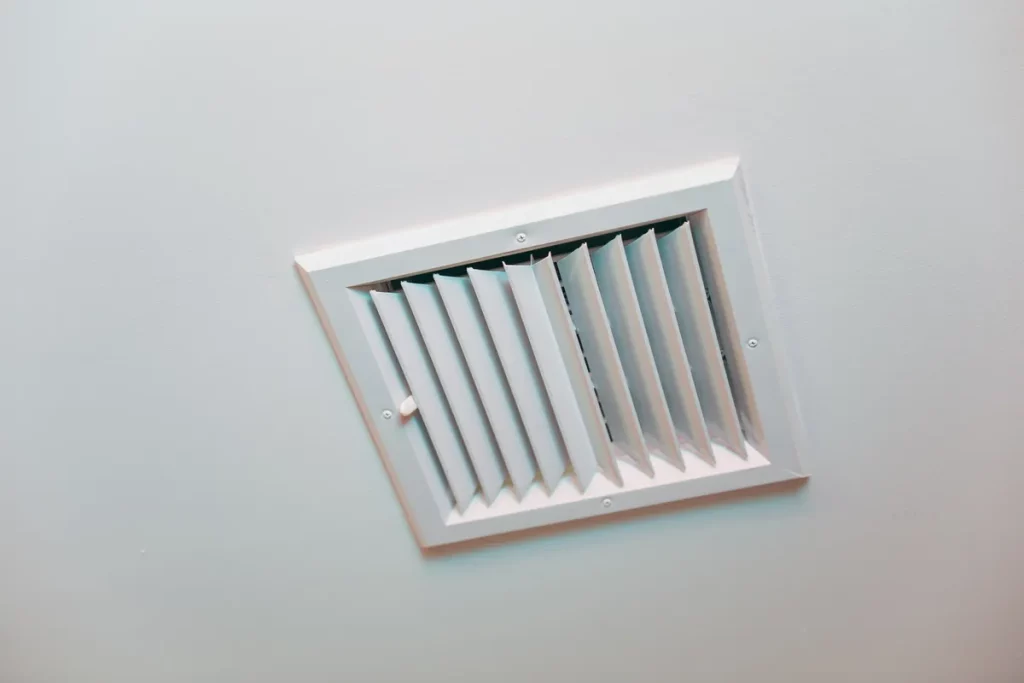
Most homeowners think about their HVAC system when the Texas heat kicks in and the air stops blowing cold, not before. But for anyone who has scheduled air duct cleaning in Round Rock, TX and discovered mold hiding inside their system, the experience tends to change how they think about home maintenance permanently. Mold in an HVAC system isn’t a rare, worst-case scenario. In Central Texas’s humid climate, it’s far more common than most people expect, and far more serious than a little dust buildup.
The Part of Your Home You Never See Is the Part That Matters Most
Your ductwork runs through walls, ceilings, and crawl spaces, places you never look and rarely think about. That invisibility is exactly what makes mold growth inside an HVAC system so dangerous. By the time you notice something is wrong, the problem has usually been developing for months.
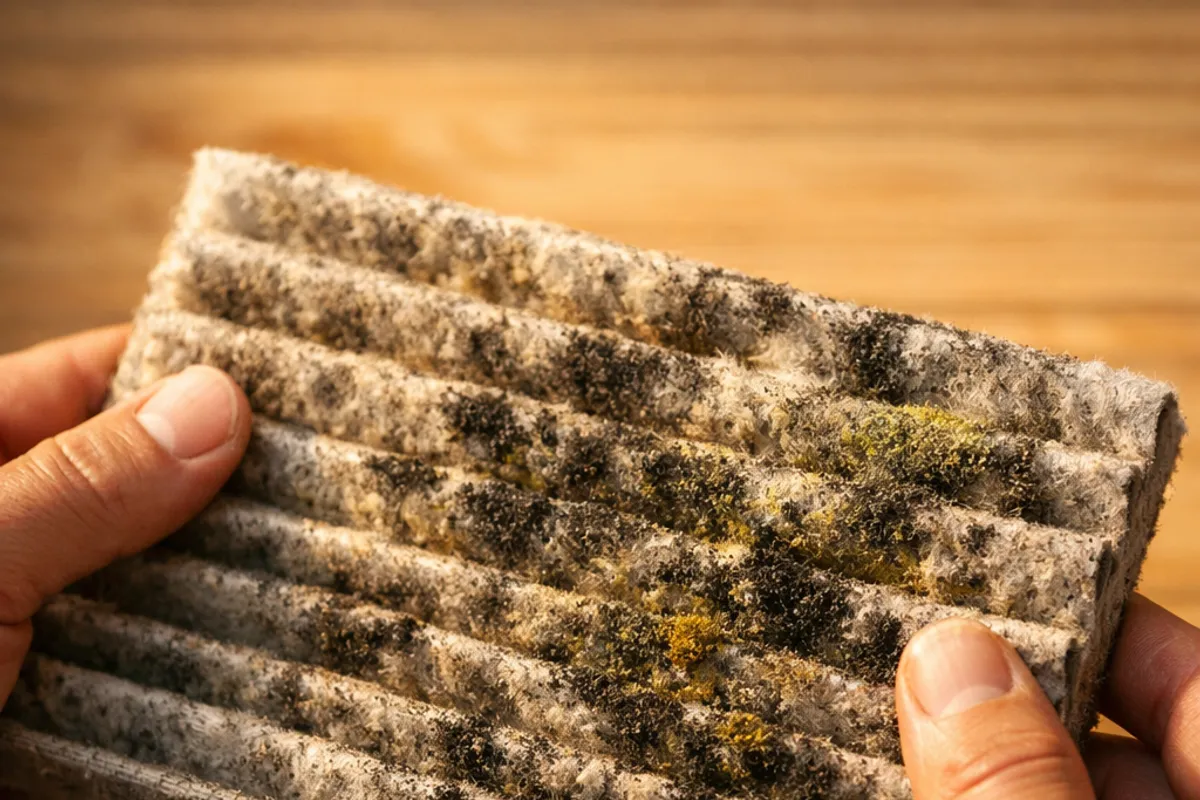
Mold thrives in dark, humid environments with limited airflow, a description that fits the inside of most duct systems surprisingly well. When your air conditioner runs, it pulls warm, moisture-laden air across a cold evaporator coil. Condensation forms. If that moisture doesn’t drain properly, or if dust and debris have built up inside the system, you’ve created the exact conditions mold needs to take hold.
The tricky part is that mold doesn’t always announce itself with a visible patch on the wall. Instead, homeowners often notice a musty smell when the system kicks on, worsening allergy symptoms, or unexplained respiratory irritation. If any of those sound familiar, it’s worth taking a closer look at what mold in air ducts actually looks like and how it spreads.
One Spot You Absolutely Cannot Afford to Miss
If there’s one area of an HVAC system where mold causes the most damage and gets overlooked the most often, it’s the plenum. The plenum is the central chamber that distributes conditioned air into your duct branches, think of it as the hub of your entire system. When mold grows there, every single vent in your home becomes a delivery point for mold spores.
Plenum mold is particularly problematic because it’s not something a quick visual inspection will catch. It sits inside the system, often right near the air handler, and it can spread rapidly once established. Many homeowners who’ve had their ducts professionally cleaned are surprised to learn that the plenum was never touched during previous service visits, which is a significant problem if that’s where the contamination lives.
A thorough cleaning job addresses the whole system, not just the easy-to-reach registers. If you’re curious about why this specific area deserves more attention than it typically gets, this breakdown of plenum mold cleaning in Round Rock is worth reading before you book any service.
What Incomplete Cleaning Actually Costs You
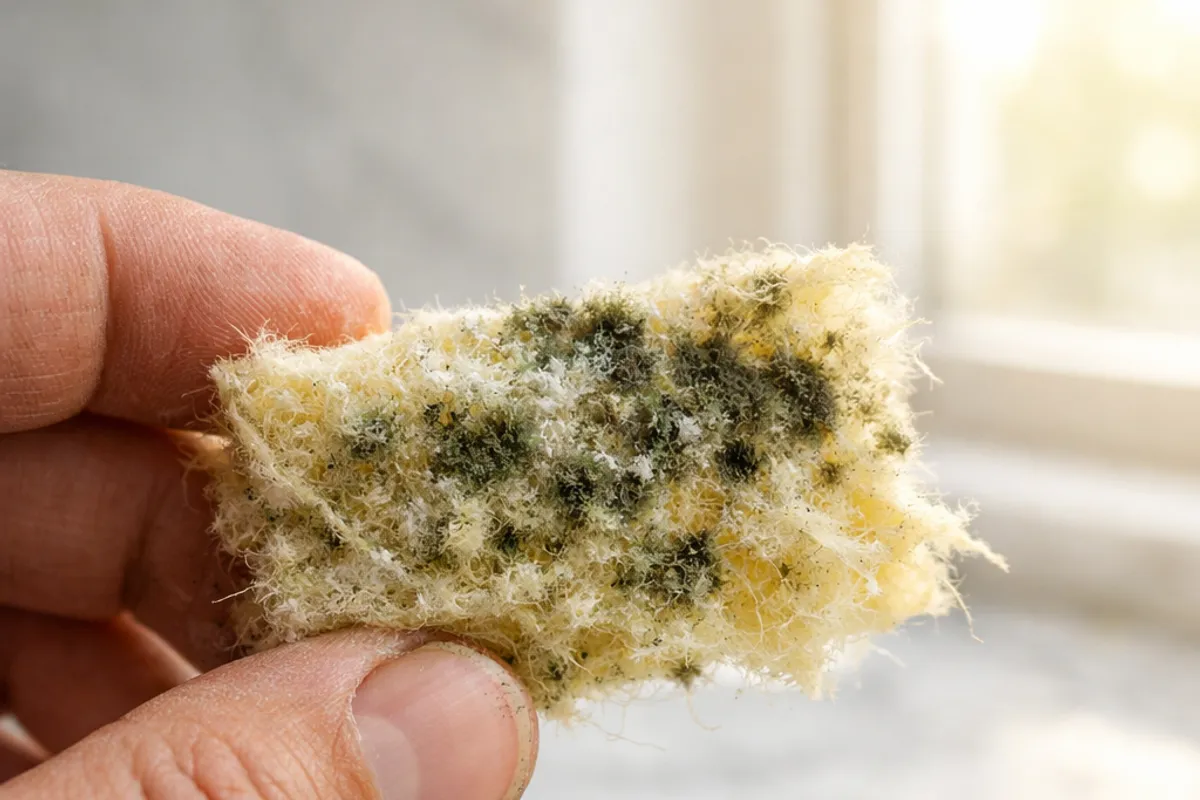
There’s a version of duct cleaning that involves a technician vacuuming out the visible registers and calling it a day. It looks like something was done, and it costs less upfront. The problem is that it doesn’t address the source of the contamination, and mold doesn’t care how clean your vent covers look.
Customers who’ve worked with Noble Air in Round Rock often describe a similar experience: they’d had the ducts “cleaned” before by someone else, but the musty smell came back within weeks. That’s almost always a sign that the mold wasn’t fully removed, or that the source of moisture feeding it was never identified. Real remediation means treating the contamination, sanitizing the affected areas, and making sure the conditions that caused the mold in the first place are addressed.
The cost of doing it right is higher than a surface-level cleaning. But the cost of doing it wrong, repeated treatments, ongoing health symptoms, potential structural damage from unchecked moisture, adds up quickly. If you want a realistic picture of what professional mold remediation in this area actually runs, the 2026 air duct mold cleaning cost data for the Austin area gives a straightforward breakdown.
Your Health Is the Real Reason This Can’t Wait
Mold spores are small enough to travel deep into the lungs. For most healthy adults, low-level exposure causes irritation, sneezing, congestion, itchy eyes. For children, the elderly, or anyone with asthma or a compromised immune system, the effects can be significantly more serious. And because the HVAC system cycles air throughout the entire home, mold in one section of the ductwork doesn’t stay contained to one room.
Round Rock’s climate makes this a year-round concern. The summer months bring high humidity and near-constant AC use, a combination that keeps moisture levels inside duct systems elevated for months at a time. Even in winter, temperature swings create condensation opportunities that mold is quick to exploit.
The frustrating reality is that many people spend money on air purifiers, allergy medications, and frequent dusting without ever addressing what’s actually circulating through their vents. If your home feels cleaner right after a deep clean but the symptoms return within days, the ductwork is almost always worth investigating. Mold in vents can affect your health in ways that are easy to dismiss until you see the connection clearly laid out.
The bottom line is straightforward: an HVAC system that’s circulating mold spores isn’t doing its job, no matter how well it cools the house. Getting ahead of the problem, before the smell gets worse, before the symptoms escalate, before the mold spreads further into the system, is always the smarter move.
Frequently Asked Questions
How do I know if the musty smell in my Round Rock home is actually coming from my HVAC system and not somewhere else?
The clearest sign is that the smell gets stronger right when the system kicks on, that’s mold spores getting pushed through the vents and into your living space. If the odor fades when the system is off but returns the moment conditioned air starts blowing, the ductwork or air handler is almost certainly the source, not a bathroom or crawl space issue.
What exactly is the plenum, and why does mold there cause more damage than mold in a single vent?
The plenum is the central chamber that feeds conditioned air into every branch of your duct system, so anything growing inside it gets distributed to every room in the house simultaneously. Unlike mold in one isolated duct run, plenum mold doesn’t stay contained, and many previous cleaning jobs skip it entirely because it requires more work to access properly.
Why did the musty smell come back just weeks after I had my ducts cleaned by another company?
If the smell returned that quickly, the cleaning almost certainly didn’t reach the actual source of the contamination, most likely the plenum or the area around the air handler where moisture collects. Surface-level work on the visible registers looks like something was done, but it leaves the mold itself untouched and still feeding on whatever moisture problem caused it in the first place.
Does Round Rock’s climate actually make mold in ductwork more likely, or is that just a sales pitch?
It’s a real factor, Central Texas summers mean high humidity combined with near-constant AC use, which keeps moisture levels inside duct systems elevated for months at a stretch. Even in winter, the temperature swings common in this area create condensation inside the system, so mold has opportunities to grow year-round rather than just during one season.
If my allergies are bad at home but fine elsewhere, is that enough reason to have the ductwork inspected for mold?
Yes, and it’s one of the more telling signs, especially if symptoms ease up when you leave the house but return within a day or two of being back. Because the HVAC system cycles air through every room, mold in one section of the ductwork doesn’t stay isolated, and spending money on air purifiers or allergy medication won’t fix what’s actually circulating through the vents.