

Air duct mold cleaning in Austin costs between $450 and $2,200 for residential properties in 2026, with the average Central Texas homeowner investing $1,150 for comprehensive mold remediation. This pricing reflects the specialized equipment, antimicrobial treatments, containment procedures, and labor intensity required to safely eliminate mold colonies from HVAC systems. Unlike standard duct cleaning, mold remediation demands EPA-approved biocides, HEPA filtration, and often includes addressing moisture sources that enabled fungal growth in the first place.
Austin Market Analysis: Why Mold Remediation Costs 3x Standard Duct Cleaning
The price tag for mold remediation often catches Austin homeowners off guard, especially when they’re expecting quotes similar to routine maintenance. The reality is that dealing with fungal contamination requires an entirely different approach than simple debris removal. Standard cleaning focuses on dust and allergens, while mold remediation addresses a living, spreading biological hazard.
Central Texas humidity plays a massive role in this equation. Our subtropical climate creates perfect breeding conditions for mold colonies inside ductwork, particularly during the sweltering summer months when AC units run constantly. This condensation, combined with organic dust particles, creates an ideal ecosystem for fungal growth that standard vacuuming simply cannot address.
Professional remediation teams must establish containment zones before any work begins. This prevents spores from migrating into living spaces during the cleaning process. Negative air pressure machines, plastic sheeting barriers, and sealed access points are standard protocol equipment and procedures that never enter the picture during standard air duct cleaning services.
| Service Component | Standard Duct Cleaning | Mold Remediation |
|---|---|---|
| Initial Inspection | Visual only ($75-$150) | Lab testing + moisture mapping ($200-$400) |
| Containment Setup | Not required | Negative air pressure + barriers ($150-$300) |
| Cleaning Method | Rotary brushes + vacuum | HEPA vacuum + antimicrobial fogging |
| Chemical Treatment | Basic sanitizer ($25-$50) | EPA-registered biocide ($150-$350) |
| Post-Service Testing | Rarely included | Air quality verification ($100-$250) |
| Average Total Cost | $350-$1,000 | $450-$2,200 |
The equipment investment alone separates the two services. Mold remediation specialists deploy industrial-grade HEPA filtration systems capable of capturing particles as small as 0.3 microns essential for trapping spores before they escape into your living room.
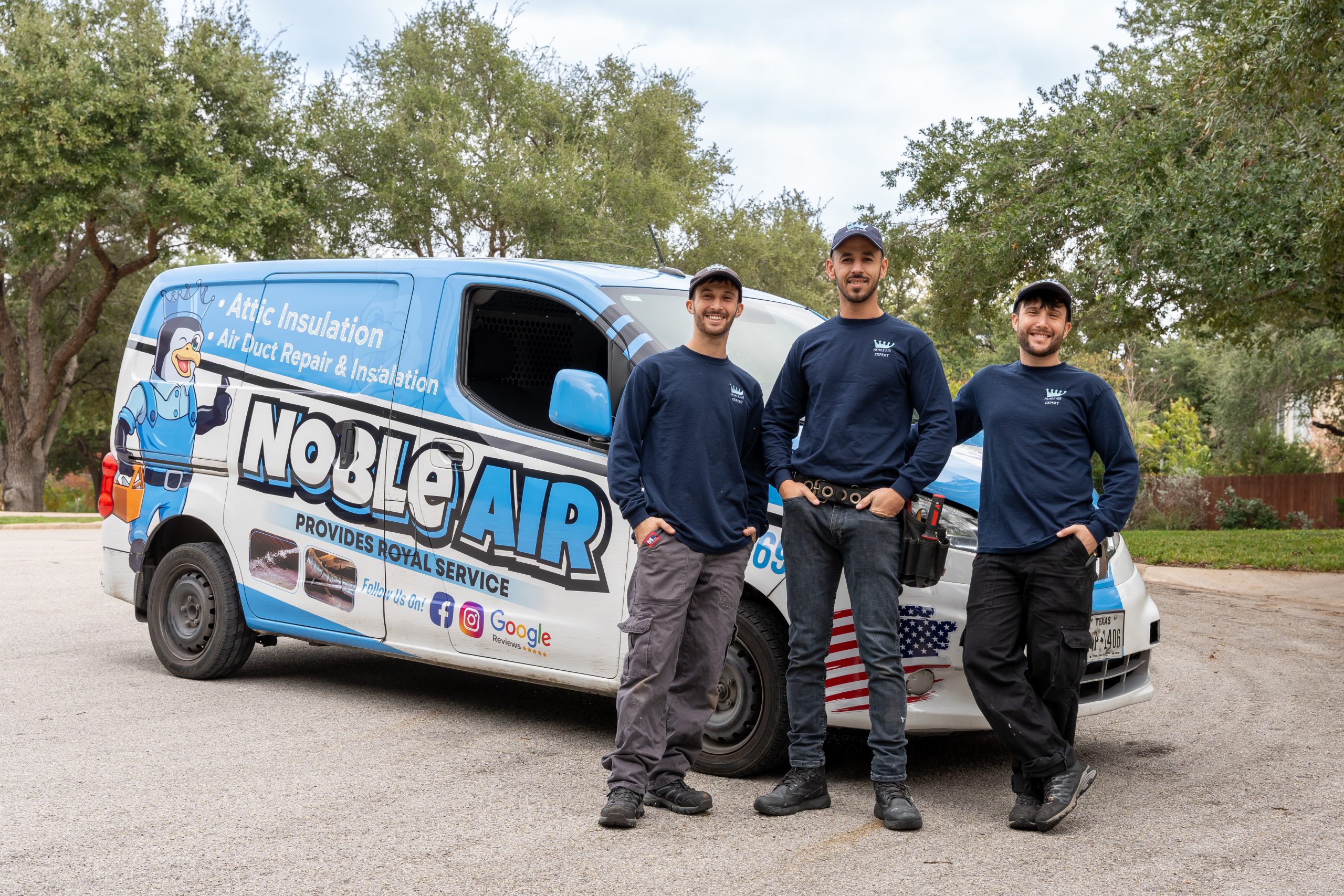
Quick Answer: What You’ll Pay for Mold Duct Cleaning in Central Texas
Breaking down the numbers helps homeowners budget appropriately for this essential service. The final invoice depends heavily on property size, contamination severity, and accessibility. Here’s what Austin residents can expect in 2026:
- Studio/1-Bedroom (under 1,000 sq ft): $450-$750 for minor surface contamination
- 2-Bedroom Home (1,000-1,500 sq ft): $650-$1,100 for moderate mold treatment
- 3-Bedroom Home (1,500-2,200 sq ft): $850-$1,450 for comprehensive remediation
- 4-Bedroom Home (2,200-3,000 sq ft): $1,100-$1,800 including full system treatment
- Large Estate (3,000+ sq ft): $1,400-$2,200 for extensive ductwork systems
- Inspection & Testing Fees: $200-$400 separate from remediation costs
These figures represent baseline estimates for accessible ductwork. Homes with complex HVAC configurations, multiple units, or severely contaminated systems may see costs climb toward the upper end of these ranges. The best way to get accurate numbers is scheduling professional duct mold cleaning in Austin for an on-site assessment.
The Seven Cost Variables That Triple Your Remediation Bill
Understanding why quotes vary so dramatically helps homeowners make informed decisions. A $450 minor treatment can quickly escalate to $2,200+ when certain factors compound. Here’s what drives those price multipliers:
1. Contamination Severity: Surface mold confined to register areas costs significantly less than invasive growth penetrating deep into the ductwork material. Heavy colonization may require section replacement rather than cleaning.
2. Mold Species Present: Common molds like Cladosporium respond well to standard treatments. However, black mold (Stachybotrys chartarum) demands specialized containment protocols, additional safety equipment, and extended treatment time often doubling project costs.
3. Ductwork Accessibility: Exposed attic ductwork presents straightforward access. Crawl space systems, sealed behind drywall, or running through tight commercial-grade configurations require additional labor hours and specialized tools.
4. System Size and Complexity: A home with multiple HVAC zones, return air plenums, and extensive trunk lines simply has more surface area requiring treatment. Each additional section adds to material and labor costs.
5. Moisture Source Resolution: Cleaning mold without addressing the underlying moisture problem guarantees recurrence. Professional remediation often includes identifying and repairing condensation issues, leaky joints, or drainage problems adding to the total investment.
6. Post-Remediation Verification: Reputable companies insist on clearance testing after treatment. Third-party air quality sampling provides documentation that the remediation succeeded, protecting both the homeowner and service provider.
7. Emergency vs. Scheduled Service: Urgent situations like mold discovery during a home sale or after flooding often command premium pricing. Scheduled appointments allow companies to optimize routing and crew allocation.
Catching issues early makes a significant difference. Homeowners who recognize signs your ducts need immediate attention can often address problems before contamination spreads throughout the entire system.
How Professional Mold Remediation Protects Your Family [Study-Backed Process]
The difference between amateur mold removal and professional remediation isn’t just about results it’s about safety during the process. Improper handling releases millions of spores into living spaces, potentially causing more harm than leaving the contamination alone. Here’s the systematic approach trained technicians follow:
- Containment Establishment: Technicians seal all registers and returns in the affected zone using heavy-gauge plastic sheeting. Negative air machines create vacuum pressure that prevents spore migration.
- Source Identification: Before any cleaning begins, moisture meters and thermal imaging locate condensation points, leaks, or humidity pockets fueling growth. Without this step, mold returns within months.
- Physical Removal: Wire brushes and rotary tools dislodge visible mold colonies while attached HEPA vacuums capture debris. This mechanical cleaning addresses surface contamination.
- Antimicrobial Application: EPA-registered biocides receive application via fogging or direct spray. These chemicals penetrate porous surfaces where spores have rooted, killing remaining organic matter.
- Encapsulation (When Necessary): Severely affected ductwork may receive antimicrobial encapsulant coating that seals any residual contamination, preventing future spore release.
- Verification Testing: Air samples collected 24-48 hours after treatment confirm spore counts have returned to normal indoor levels. This documentation proves critical for real estate transactions and health documentation.
Professional-grade equipment makes this process effective. Consumer vacuums lack the filtration capacity to capture microscopic spores they often make the problem worse by exhausting contaminated air back into the room.
Companies following deep cleaning protocols for healthier living understand that shortcuts in mold remediation create liability issues and health risks for vulnerable family members.
Why Austin’s Climate Demands Proactive Mold Prevention [2026 Moisture Data]
Central Texas ranks among the most challenging regions for HVAC mold prevention. Austin’s average annual humidity hovers around 68%, with summer months regularly spiking above 75%. When warm, moisture-laden air meets the cold surfaces inside air conditioning systems, condensation forms instantly and that moisture creates ideal mold growing conditions.
According to the National Oceanic and Atmospheric Administration, the Austin metropolitan area experiences an average of 88 days annually with dew points above 65°F, creating persistent moisture conditions that accelerate mold growth in unsealed HVAC systems.
AC condensation drains can clog with biological growth, causing water to pool inside air handlers. These dark, damp environments become mold factories within 48-72 hours. Running systems then distribute spores throughout the entire home with every cooling cycle.
The financial argument for prevention is compelling. Annual professional inspections cost a fraction of full remediation. Professional maintenance includes drain line clearing, coil cleaning, and moisture barrier inspection all of which prevent mold establishment.
Understanding how expert duct cleaning improves air quality helps homeowners see prevention as an investment rather than an expense, especially for families with allergy sufferers or young children.
Insurance Coverage and Tax Deductions: Offsetting Your Mold Remediation Investment
Paying $1,000+ out of pocket stings, but some homeowners find relief through insurance or tax benefits. The key lies in understanding when coverage applies and documenting everything properly.
Homeowner’s Insurance Coverage: Most policies cover mold remediation only when the contamination results from a “covered peril” sudden and accidental water damage like a burst pipe or roof leak from a storm. Gradual mold growth from humidity or neglect typically falls outside coverage. Homeowners discovering air duct cleaning insurance considerations should review their policy declarations page carefully.
Documentation Requirements: When coverage applies, insurers require extensive documentation. Keep all inspection reports, before-and-after photographs, lab test results, and itemized invoices. Submit claims promptly most policies require notification within 30-60 days of discovery.
Medical Tax Deductions: For homeowners with documented mold allergies or respiratory conditions, remediation costs may qualify as medical expense deductions. This requires a physician’s letter stating the treatment was medically necessary. The deduction excess must exceed 7.5% of adjusted gross income.
Pre-Approval Strategy: Before work begins, contact your insurance adjuster. Some companies require pre-approval for mold claims. Skipping this step can result in denial, even when coverage technically applies.
DIY vs Professional: Why Mold Remediation Isn’t a Weekend Project
The internet overflows with DIY mold cleaning advice, and while handling surface mildew on bathroom tile makes sense, tackling HVAC mold without proper training creates real hazards. Let’s compare the real costs and risks:
| Factor | DIY Approach | Professional Service |
|---|---|---|
| Equipment Cost | $400-$800 (HEPA vac, chemicals, PPE) | Included in service price |
| Effectiveness | Surface-only; often spreads spores | Deep cleaning with verification |
| Health Risk | High exposure without containment | Contained, filtered process |
| Time Investment | 8-16 hours over multiple days | 4-6 hours professional crew |
| Warranty | None; full liability on homeowner | Typically 1-5 year guarantees |
| Recurrence Risk | High; incomplete treatment | Low; moisture source addressed |
| Total Real Cost | $600-$1,200 + health risks | $450-$2,200 all-inclusive |
The equipment math alone tells the story. Industrial HEPA vacuums cost $300-$500 for adequate units. Proper biocides, personal protective equipment, containment materials, and fogging equipment add another $200-$400. By the time you’ve purchased everything needed, you’ve spent nearly what professional service costs without any of the expertise, guarantees, or safety protocols.
Mold spores are microscopic. Disturbing colonies without proper containment launches millions of spores into the air. Your family breathes this contaminated air throughout the cleaning process and for days afterward. Professional crews work behind sealed barriers with negative air pressure protecting living spaces.
For homeowners weighing options, reviewing a comprehensive guide to professional air duct cleaning clarifies what proper training and equipment actually accomplish.
Key Takeaways: Making Smart Decisions About Mold Duct Cleaning Costs
Summarizing the critical information helps homeowners move forward with confidence. Here’s what matters most when facing mold in your HVAC system:
- Base pricing ranges from $450-$2,200 depending on home size, contamination severity, and system complexity.
- Mold remediation costs 3x standard cleaning because it requires containment, biocides, and verification testing.
- Austin’s humidity creates prime mold conditions prevention costs significantly less than remediation.
- Insurance may cover costs when mold results from sudden water damage rather than gradual growth.
- Dust mites and mold trigger allergy and asthma symptoms, making remediation a health investment.
- DIY attempts often spread contamination and rarely address underlying moisture sources.
- Professional verification testing proves remediation succeeded and protects during real estate transactions.
- Early detection through annual inspections prevents minor issues from becoming major expenses.
For families managing allergies or respiratory conditions, understanding how duct cleaning improves indoor air quality provides additional context for this investment.
FAQ: Air Duct Mold Cleaning Cost Questions Austin Homeowners Ask
Does homeowner’s insurance cover air duct mold cleaning costs?
Sometimes. Coverage applies when mold results from sudden, accidental water damage like burst pipes or storm-related roof leaks. Gradual growth from humidity or neglected maintenance typically receives no coverage. Documentation requirements include inspection reports, photos, lab results, and prompt notification within policy timeframes. Always contact your adjuster before work begins to confirm coverage specifics.
How do I know if the mold cleaning price quote is fair?
Compare multiple quotes. Reputable companies provide itemized estimates showing inspection, containment, treatment, and testing costs. Quotes significantly below $450 for any home size often indicate bait-and-switch pricing or inadequate protocols. Ask about included services especially verification testing, which separates legitimate remediation from superficial cleaning. Professional companies explain their process clearly.
Can I stay in my home during mold remediation?
Usually yes. Professional containment procedures seal affected areas with plastic barriers and negative air pressure. Occupants in unaffected zones experience minimal exposure. However, severe contamination, particularly with toxic species like Stachybotrys, may warrant temporary relocation for certain household members. Consult your remediation team about specific risks based on contamination levels and family health status.
How long does professional duct mold cleaning take?
Four to eight hours typically. Treatment time depends on home size, contamination extent, and system accessibility. A 2,000-square-foot home with moderate mold averages six hours from setup to completion. Post-remediation testing occurs 24-48 hours later. Understanding how long air duct cleaning takes helps homeowners plan accordingly for this intensive service.
What happens if I don’t clean mold from my air ducts?
Health symptoms worsen. Running contaminated HVAC systems distributes spores throughout living spaces with every cycle. Family members with allergies, asthma, or compromised immune systems experience increased respiratory issues. Mold continues spreading through ductwork, eventually requiring more extensive and expensive remediation. Long-term exposure can cause permanent respiratory damage in sensitive individuals.
Are financing options available for mold remediation?
Yes, most companies offer payment plans. Reputable Austin service providers partner with financing companies to offer 12-24 month payment options. Interest rates vary based on credit qualification. Some companies provide seasonal promotions with reduced or deferred interest. Ask about payment structures during initial consultations mold remediation shouldn’t be postponed due to budget constraints given health implications.
Does mold remediation come with a warranty?
Professional services typically guarantee work for 1-5 years. Warranties cover recurrence of the same mold species under normal conditions. However, guarantees become void if the underlying moisture problem remains unaddressed. Reputable companies explain warranty terms clearly before work begins, including conditions that might affect coverage and recommended follow-up inspections.
What’s the difference between mold cleaning and mold remediation?
Scope and methodology differ significantly. Mold cleaning addresses visible surface growth with basic cleaning tools. Remediation encompasses containment, moisture source identification, professional-grade biocide treatment, HEPA filtration, and post-remediation verification. The latter follows EPA protocols designed to eliminate contamination completely rather than temporarily improving appearance. Remediation costs more but provides lasting results.