
Most homeowners in Round Rock have heard about mold in bathrooms or under sinks, but far fewer think about what’s happening inside their HVAC system, specifically in the plenum. Plenum mold cleaning is one of those services that tends to come up only after someone notices a persistent musty smell or starts dealing with unexplained allergy flare-ups. By that point, the problem has usually been growing quietly for months. Texas heat and humidity create near-perfect conditions for mold to take hold inside your air handling system, and the plenum, that central air distribution box connecting your HVAC unit to your ductwork, is one of the first places it shows up.
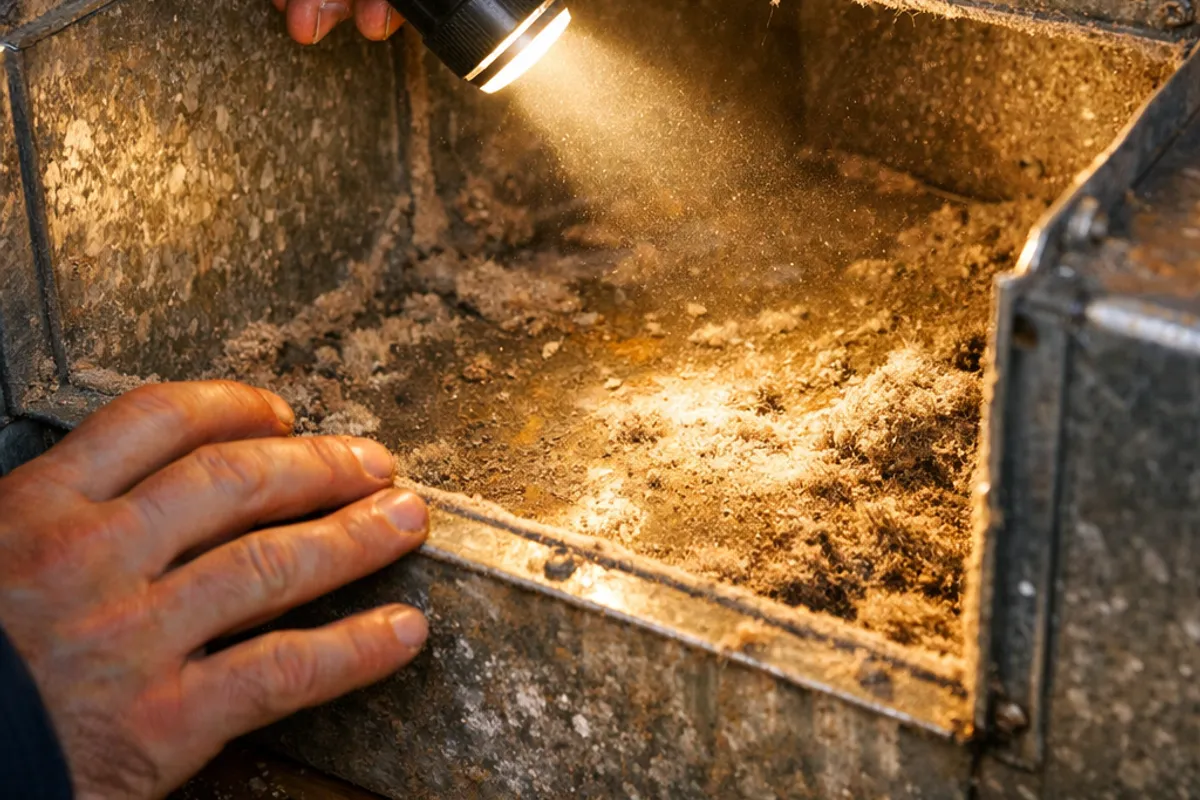
Why Your HVAC System’s Most Overlooked Spot Is Also Its Most Vulnerable
The plenum sits right at the heart of your air distribution system. It receives conditioned air directly from the air handler and pushes it out through your ducts into every room of your home. That position makes it incredibly efficient at distributing air, and unfortunately, just as efficient at distributing mold spores if contamination takes hold.
The conditions inside a plenum are almost tailor-made for mold growth. Condensation from the cooling coils creates moisture. Dust and organic debris accumulate over time, giving mold a food source. Add in Round Rock’s warm climate, where your AC runs hard for eight or nine months out of the year, and you’ve got a system that rarely gets a chance to fully dry out between cycles.
What makes this especially concerning is that the plenum isn’t something you can inspect with a flashlight and a quick peek. It requires proper access, the right equipment, and someone who knows what they’re looking at. Many homeowners go years without anyone checking it, not because they’re negligent, but because it simply doesn’t come up during routine maintenance.
The Signs That Something Is Wrong Before You Can See It
Mold in the plenum rarely announces itself with visible growth on your walls. Instead, it tends to show up as a collection of subtle, easy-to-dismiss symptoms. A musty or earthy smell that seems to come from your vents when the AC kicks on is one of the most common early indicators. Some homeowners describe it as a damp basement smell, which is particularly odd in a Central Texas home that doesn’t have a basement.
Respiratory irritation is another red flag. If people in your household are dealing with more sneezing, coughing, or itchy eyes than usual, especially indoors, that’s worth paying attention to. Mold spores circulating through your air supply can trigger reactions even in people who don’t typically suffer from allergies.
You might also notice that certain rooms feel stuffier than others, or that your system seems to be working harder without actually cooling as effectively. Mold growth inside the plenum can partially obstruct airflow, which puts extra strain on your HVAC equipment over time.
If any of this sounds familiar, it’s worth reading more about what homeowners in Round Rock should know about mold in air ducts before deciding on next steps.

What Proper Remediation Actually Looks Like
Spraying a store-bought antimicrobial product into your vents and calling it done is not remediation. Real mold removal from a plenum involves physical cleaning, removing the contaminated material, not just treating the surface. Mold that isn’t physically extracted will continue to release spores even after being treated with a chemical agent.
A professional technician will start by accessing the plenum directly, assessing the extent of the contamination, and using commercial-grade negative air pressure equipment to prevent spores from spreading to other parts of your home during the cleaning process. The interior surfaces are then cleaned, treated, and in cases of severe contamination, sections of the plenum lining may need to be replaced entirely.
After the cleaning is complete, the technician should also inspect the surrounding ductwork, since mold rarely stays contained to one area once it gets a foothold. This is where a thorough air duct cleaning in Round Rock becomes part of the overall solution rather than a separate service.
Noble Air serves Round Rock and the surrounding area with exactly this kind of comprehensive approach, not a quick spray-and-go, but a full assessment and cleaning that actually addresses the source of the problem. Customers who’ve gone through the process often say the difference in air quality is noticeable within the first day or two after service.
Keeping Mold From Coming Back
Once your plenum and ductwork have been properly cleaned, the goal shifts to prevention. A few practical steps go a long way toward keeping conditions inside your HVAC system less hospitable to mold.
First, stay on top of your air filter. A clogged filter restricts airflow, which increases moisture buildup inside the system. Changing it on schedule, every 60 to 90 days for most households, more frequently if you have pets, makes a real difference.
Second, have your condensate drain line checked regularly. This is the line that removes moisture pulled from the air during the cooling process. When it gets clogged, water backs up inside the air handler and creates exactly the kind of wet environment that mold needs to grow. It’s a small maintenance item that’s easy to overlook but surprisingly impactful.
Third, consider having your system inspected annually by a qualified technician. Catching early-stage contamination before it spreads is dramatically cheaper and less disruptive than dealing with an established mold problem. If you’ve noticed any of the warning signs mentioned earlier, don’t wait for your next scheduled maintenance visit, these warning signs that you need air duct sanitizing are worth reviewing now.
Round Rock’s climate isn’t going to get less humid, and your AC isn’t going to run any less. But with the right maintenance habits and a professional team who knows what to look for, keeping your HVAC system clean and mold-free is entirely manageable.
Frequently Asked Questions
How do I know if the musty smell coming from my vents is actually mold in the plenum and not somewhere else in my Round Rock home?
If the smell shows up specifically when your AC kicks on and fades when the system is off, that’s a strong indicator the source is inside your air handling system rather than somewhere like a bathroom or crawl space. The article describes it as a damp basement smell, which is a useful clue since Central Texas homes don’t have basements, so that odor has to be coming from somewhere in the HVAC system itself. A technician can access the plenum directly and confirm whether contamination is present, which is the only way to know for certain.
Can’t I just spray an antimicrobial product into my vents myself to take care of this?
No, the article is direct about this: spraying a store-bought product into your vents is not remediation, and mold that isn’t physically removed will keep releasing spores even after a chemical treatment. The actual process involves accessing the plenum directly, using commercial-grade negative air pressure equipment to keep spores from spreading during cleaning, and physically extracting the contaminated material. In severe cases, sections of the plenum lining may need to be replaced entirely, which isn’t something a can of spray can address.
If mold is found in my plenum, does that mean my ductwork needs to be cleaned too?
Very likely yes, the article notes that mold rarely stays contained to one area once it gets established, so the surrounding ductwork should be inspected after the plenum is cleaned. Treating only the plenum while leaving contaminated ducts in place would be like fixing one room of a water-damaged house and ignoring the rest. A thorough duct cleaning is described in the article as part of the overall solution, not a separate or optional add-on.
What’s the one maintenance item Round Rock homeowners most commonly overlook that leads to mold growing inside their HVAC system?
The condensate drain line, it’s the line that removes moisture pulled from the air during cooling, and when it clogs, water backs up inside the air handler and creates exactly the wet conditions mold needs. The article specifically calls it a small maintenance item that’s easy to overlook but surprisingly impactful, especially in a climate like Round Rock’s where the AC runs hard for eight or nine months a year. Having it checked regularly is one of the most practical things you can do to prevent the problem from coming back after a cleaning.
How often should I have my HVAC system inspected to catch this kind of problem before it gets bad?
The article recommends annual inspections by a qualified technician, with the reasoning that catching early-stage contamination before it spreads is significantly cheaper and less disruptive than dealing with an established problem. It also suggests not waiting for a scheduled maintenance visit if you’re already noticing symptoms like musty smells, increased respiratory irritation, or rooms that feel stuffier than usual. On top of that, staying current on filter changes, every 60 to 90 days, or more often with pets, helps reduce the moisture buildup that gives mold a foothold in the first place.