
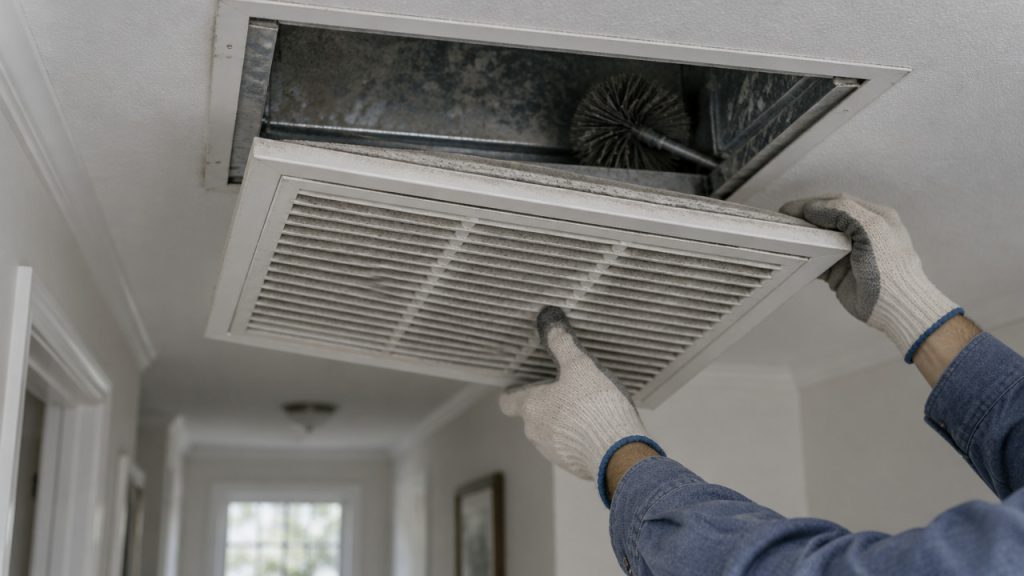
How often air ducts should be cleaned in a home comes down to a periodic schedule that bends around the people living there, not one fixed rule. Pets, allergies and babies tend to shorten the interval, a quiet household with few triggers can stretch it, and Central Texas weather adds its own load of dust and allergens in ducts. Visible signs, such as heavy dust around vents or a musty smell that hints at mold in air ducts, matter more than whatever the calendar says. So the real decision is whether your home fits the standard rhythm of an HVAC maintenance schedule or needs a shorter one.
How Often Should Air Ducts Be Cleaned in a Home?
Most homes benefit from professional duct cleaning every few years, but that interval shifts based on what your household actually faces day to day. There is no single universal timeline that works for every house the right schedule flexes around your living situation. For straightforward guidance on timing, how often to schedule air duct cleaning and disinfection provides a practical starting point.
- Most homes need cleaning every few years, but households with pets or allergies may need it sooner.
- Visible mold growth or pest contamination in ducts justifies immediate professional attention.
- Recent renovations or construction create fine dust that settles deep inside ductwork.
- New homeowners should inspect ducts before move-in to address the previous owner’s residue.
- A quiet, low-traffic home with good filters can often stretch the interval longer.
The air duct cleaning frequency that makes sense for you depends on triggers specific to your space. A home with shedding dogs, active kids, or family members managing respiratory conditions will accumulate debris faster than a quiet single-person household. Those variables matter more than any generic rule of thumb. Instead of circling a date on the calendar, pay attention to what actually happens inside your living space and let that drive the decision.
What Changes the Schedule: Household Factors That Shorten or Stretch the Interval
Your cleaning interval depends on who lives in the home, what they bring inside, and how hard the HVAC system runs throughout the year. why regular duct cleaning matters for your home goes beyond basic maintenance it protects the people breathing that air every day. Some households generate more dust and allergens than others, and recognizing those variables helps you plan a schedule that actually fits your situation rather than relying on generic advice.
The following factors tend to shorten the time between cleanings because they introduce more contaminants into the air system:
- Pets: Shedding fur and dander circulate through ductwork and settle on internal surfaces, especially during heavy shedding seasons.
- Allergy or asthma sufferers: Sensitive respiratory systems react to accumulated pollen and dust, making cleaner ducts a health priority.
- Babies and young children: Developing immune systems benefit from reduced exposure to dust, mold spores, and airborne irritants.
- Smoking indoors: Residue and odor particles clinging to duct walls recirculate long after the smoke clears.
- Recent renovations: Construction projects generate fine dust that sneaks into ductwork and lingers after cleanup.
Homes with multiple factors stacking together a dog, a toddler, and a recent kitchen remodel, for instance will likely need attention on the shorter end of the typical range. On the flip side, a quiet home with minimal foot traffic, no pets, and high-quality filters can often stretch that interval without issue. The key is being honest about what your household actually generates rather than assuming you fall somewhere in the middle.
Cleaning Frequency in Austin and Central Texas: What Our Climate Adds to the Equation
Central Texas homes run their HVAC systems hard for a large portion of the year, and that constant circulation affects how quickly dust and debris collect inside ductwork. Local weather patterns bring specific challenges that homeowners in milder climates simply do not face. how often to clean air ducts in Austin speaks directly to those regional factors and what they mean for your home’s maintenance rhythm.
Hot summers mean your air conditioner cycles on and off for months at a stretch, pulling outdoor air through the system and trapping particles along the way. That constant airflow keeps duct surfaces stirred up, preventing dust from settling quietly and instead recirculating it through your living spaces. Add in the seasonal pollen bursts that Austin experiences particularly cedar fever season in winter and oak pollen in spring and the amount of material entering your HVAC system adds up quickly.
Humidity plays a role too. Moisture in the air can create conditions where organic dust buildup inside ducts becomes a breeding ground for mold if the system does not stay properly managed. Even without visible water intrusion, the combination of dust and dampness creates an environment where microbial growth becomes a real concern for local homeowners. Those are conditions worth addressing before they turn into a larger indoor air quality problem.
For Austin-area households, that often means erring on the side of more frequent inspections. A home that might stretch to a longer interval in a drier, cooler climate could find itself due for cleaning sooner simply because the HVAC system never really gets a break. Local expertise helps here someone familiar with Central Texas conditions understands how the climate interacts with residential duct systems and can spot early warning signs others might miss.
Don’t Wait for the Calendar: Signs Your Ducts Need Cleaning Now
Visible symptoms can override any schedule and justify calling in a professional right away. top signs your air ducts need cleaning outlines what to watch for, but the general principle is simple: when your ducts tell you something is wrong, listen. Trust your senses and your family’s comfort rather than waiting for an arbitrary timeline to catch up with reality.
These warning signs indicate that cleaning should happen soon rather than later:
- Visible dust or debris blowing from vents: Strong puffs of dust when the system kicks on suggest buildup inside.
- Dark streaks around vent registers: Lines or staining near the edges point to particles forcing their way through.
- Musty or stale odors: A persistent smell when the system runs often signals mold or mildew inside.
- Worsening allergy symptoms at home: Sneezing or congestion that improves when you leave may indicate indoor air issues.
- Recent pest activity: Droppings or nesting materials near duct openings require immediate professional attention.
- Visible mold growth: Any mold you can see near vents means it is likely worse deeper inside the system.
Mold in air ducts deserves special attention. If you spot visible growth or catch a persistent musty smell that does not go away with regular cleaning, do not wait for your next scheduled maintenance window. Mold spreads through spores that travel easily through the HVAC system, and breathing those spores can aggravate allergies and respiratory conditions. Professional assessment and remediation are the safest route when mold appears anywhere in the duct system.
What a Professional Cleaning Involves and How to Choose a Provider
A proper service includes camera inspection, high-powered vacuum and brush cleaning, and optional sanitizing to leave the system as clean as possible. professional air duct cleaning covers what to expect from a reputable provider, but the core process follows a reliable sequence designed to remove buildup without spreading debris back into your living space.
The basic steps of a thorough duct cleaning look like this:
- Inspection: Technicians use cameras to assess the interior condition of the ductwork and identify problem areas.
- Preparation: The team seals off vents and sets up containment to prevent dust from escaping into your home.
- Cleaning: High-powered vacuums combined with brushes or air whips dislodge and collect debris from duct walls.
- Sanitizing (optional): An antimicrobial treatment may be applied to inhibit future mold or bacterial growth.
- Final check: A post-cleaning inspection confirms the work was thorough and the system is ready for use.
When choosing a provider, ask about their process and whether they follow established industry guidelines. Technicians familiar with residential systems will be able to explain each step clearly and address any concerns about your specific setup. Questions to ask include whether they perform camera inspections before and after, what equipment they use, and whether they apply any chemical treatments. Transparency about the process is a good indicator that a company takes the work seriously.
Air Duct Cleaning Frequency: Frequently Asked Questions
Should I clean my air ducts after buying a new home?
Yes. A professional inspection gives you a clear picture of what the previous owners left behind, and cleaning removes accumulated dust, pet dander, or construction debris before you settle in. Starting fresh ensures you are not breathing in someone else’s contaminants, and it also establishes a baseline for your future maintenance schedule.
Do I need duct cleaning after a renovation?
Yes, in most cases. Construction dust is finer than typical household dust and penetrates deeper into ductwork, where standard filters cannot catch it. Even careful contractors cannot prevent fine particles from circulating through the HVAC system during active work. Cleaning after a remodel prevents that debris from recirculating every time the system runs.
Can air duct cleaning help with baby or child allergies?
Yes. Removing accumulated allergens from the duct system reduces the particles circulating through your baby’s nursery and play areas. Cleaner ducts mean fewer triggers in the air your child breathes, especially during long stretches of indoor time. potential health benefits of clean air ducts outlines how indoor air quality connects to respiratory wellness.
Is it worth cleaning ducts if I change my HVAC filter regularly?
Yes, but less often. Regular filter changes reduce the amount of new debris entering the system, but they cannot remove what has already accumulated on duct walls over years of use. Filters catch particles moving through the airflow, but dust settles and sticks inside the ductwork itself. Think of filters as preventative, while cleaning addresses what has already built up.
Does mold in the vents mean I need cleaning right away?
Yes. Visible mold near vent openings suggests growth deeper inside the system, and mold spores spread easily through the air when the HVAC runs. Professional cleaning addresses both the visible growth and the hidden contamination, preventing further distribution throughout your home. Waiting allows the problem to worsen and potentially affect indoor air quality.
What are the health benefits of clean air ducts?
Clean air ducts reduce exposure to airborne irritants. Dust, pollen, mold spores, and pet dander accumulate inside ductwork and recirculate every time the system runs, potentially aggravating allergies and respiratory conditions. Cleaner ducts mean fewer particles in the air you breathe daily. For households with sensitive family members, that difference can be noticeable in comfort and symptom management.