
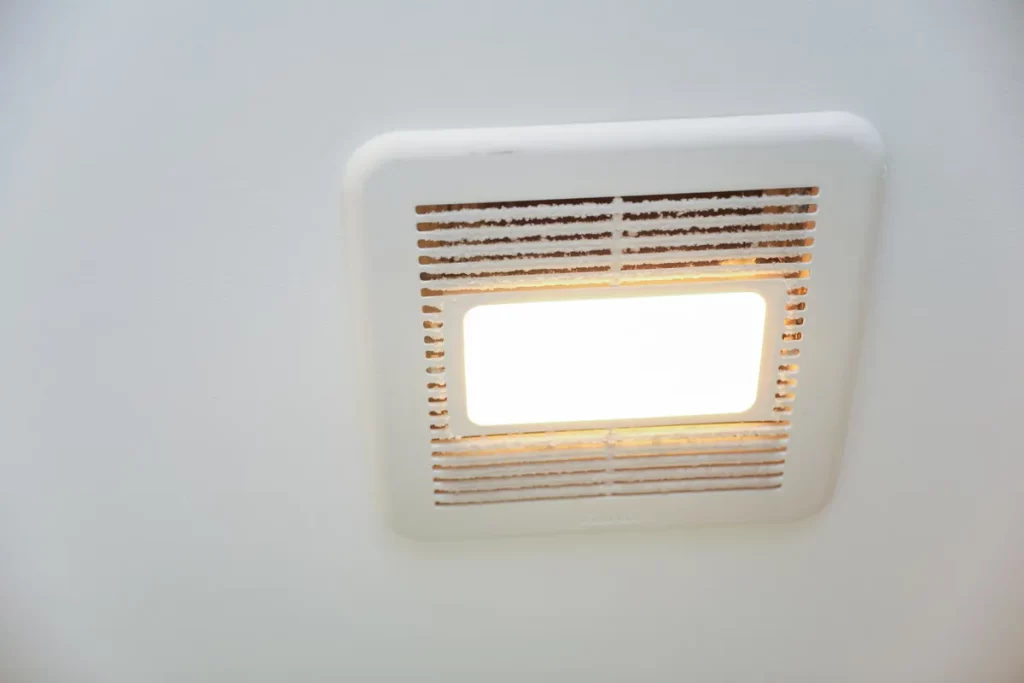
Most Round Rock homeowners never think twice about what’s living inside their ductwork, until they start noticing a musty smell every time the AC kicks on, or someone in the house can’t shake a persistent cough. Mold in vents is more common here than people realize, and the Central Texas climate is a big reason why. High humidity, long cooling seasons, and homes that run their HVAC systems nearly year-round create exactly the kind of damp, dark conditions where fungal growth thrives. If something feels off with your indoor air and you can’t figure out why, your duct system might be worth a closer look.
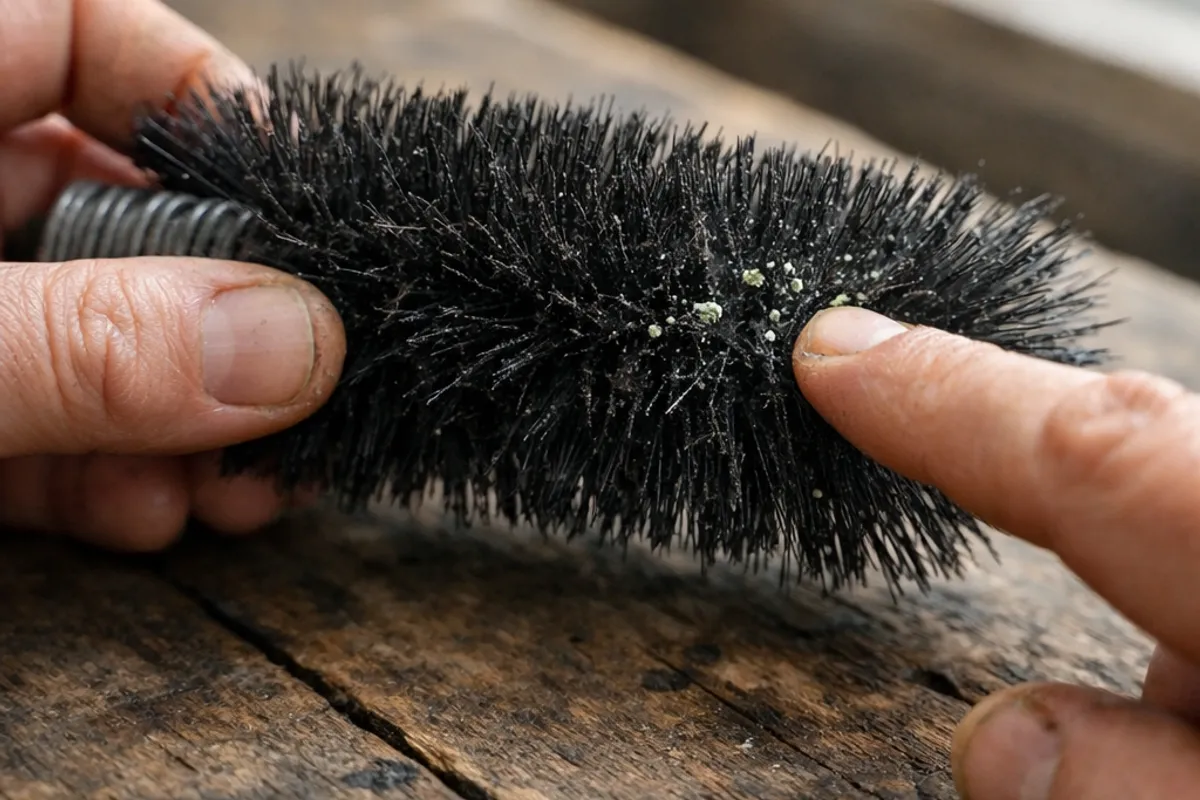
Why Central Texas Homes Are Especially Vulnerable
Round Rock sits in a climate zone that’s genuinely tough on HVAC systems. Summers stretch well into October, humidity spikes regularly, and most homes keep their air conditioning running for eight or nine months out of the year. That constant operation means condensation forms inside ductwork more often than in drier climates, and moisture is all fungal growth needs to get started.
There’s another factor that doesn’t get talked about enough: the plenum. This is the central chamber that connects your air handler to the rest of the duct system, and it’s one of the most overlooked spots in any home. When mold takes hold there, spores get distributed through every single room every time the system runs. If you’re curious about how serious that can get, this breakdown on plenum mold cleaning explains why it deserves its own attention, separate from standard duct cleaning.
Newer construction isn’t immune either. Tightly sealed homes trap humidity inside, and if a system was installed with even minor moisture issues during construction, fungal colonies can establish themselves before the first homeowner ever moves in.
The Symptoms That Are Easy to Misread
Here’s where things get tricky. The health effects of contaminated ductwork often look exactly like seasonal allergies, a mild cold, or general fatigue. People spend months treating the symptoms without ever identifying the source. Sneezing, itchy eyes, headaches, and respiratory irritation that seem to improve when you leave the house and return when you get back, that pattern is a telling sign.
Some homeowners notice the smell first: a faint earthy or musty odor that’s hard to pin down, especially if it only appears when the system is blowing. Others see visible discoloration around vent covers, which is usually the point where the problem has already progressed past early stages.
It’s worth understanding the connection between incomplete HVAC cleaning and persistent allergy-like symptoms. This article on HVAC cleaning and allergies goes deeper into how a partially cleaned system can actually make things worse by stirring up contaminants without fully removing them.
What a Proper Inspection and Cleaning Actually Involves
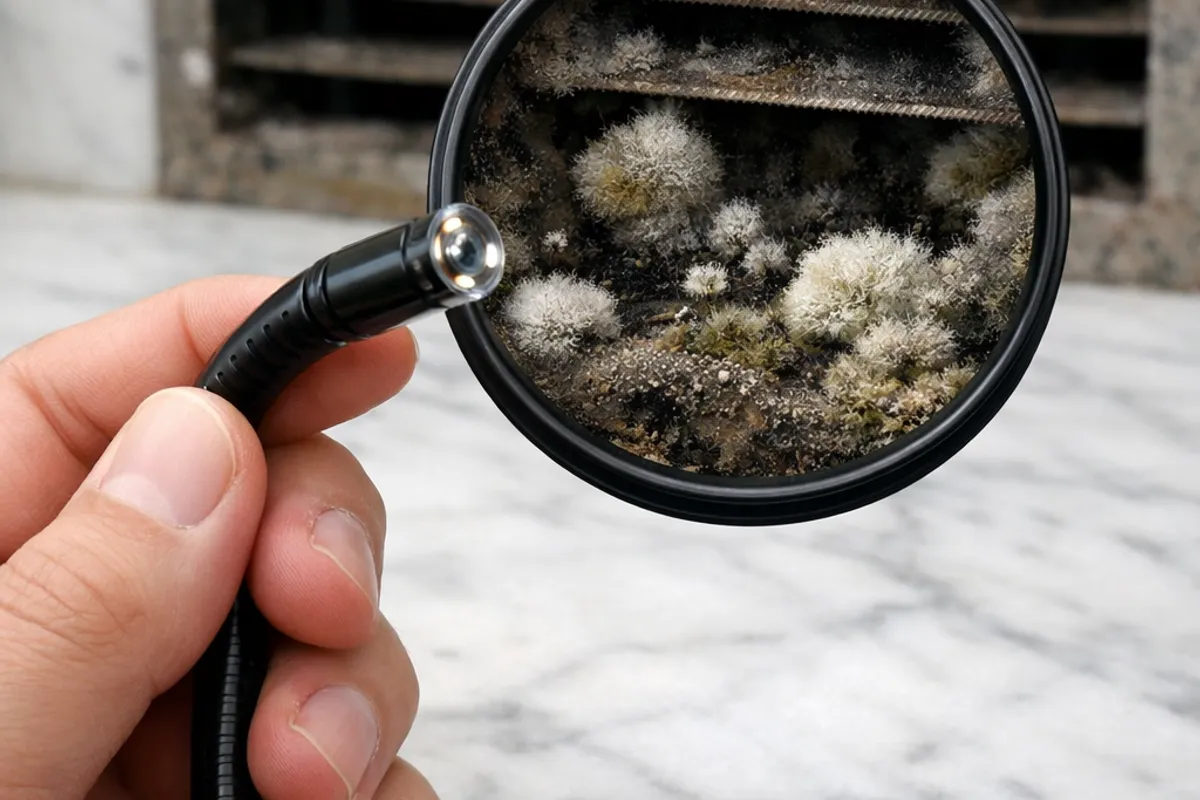
A lot of companies will run a vacuum through your ducts and call it done. That’s not enough when fungal growth is involved. Effective remediation means physically inspecting the interior of the ductwork, identifying where contamination exists, and treating those areas with an appropriate antimicrobial agent, not just cleaning around the problem.
The team at Noble Air’s Round Rock air duct cleaning service approaches these jobs with that level of thoroughness. Customers who’ve had their systems inspected after years of unexplained air quality issues often describe the difference as immediate, cleaner-smelling air, fewer morning symptoms, and a system that just feels like it’s running better. That reaction makes sense: when the source of contamination is actually removed rather than redistributed, the air coming out of your vents is genuinely different.
The process should also include checking the AC coil and drain pan, since those components collect moisture by design and are common starting points for growth that eventually spreads into the duct system. If the coil is dirty or the drain pan has standing water, cleaning the ducts alone won’t solve the underlying problem.
When to Stop Waiting and Make the Call
There’s a tendency to put this kind of thing off. Duct cleaning feels like an optional upgrade rather than a health necessity, and it’s easy to assume the problem isn’t that bad. But fungal colonies don’t shrink on their own, they spread, especially during high-humidity months when your system is running constantly.
A few situations where you shouldn’t wait: if you’ve recently had water damage anywhere near the HVAC system, if you’re moving into a home that’s been vacant for a while, if someone in the household has asthma or a compromised immune system, or if you’ve already had visible growth elsewhere in the home. Any of these conditions significantly raise the likelihood that your ductwork is involved.
Round Rock’s climate isn’t going to get drier, and homes here aren’t getting any less tightly sealed. Getting ahead of air quality issues, rather than reacting to them after months of symptoms, is genuinely the smarter move. If your system hasn’t been inspected in the last few years, that alone is reason enough to schedule a look.
Frequently Asked Questions
How do I know if my Round Rock home’s ductwork has a fungal problem, or if it’s just regular allergies?
The clearest pattern to watch for is symptoms, sneezing, itchy eyes, headaches, or respiratory irritation, that get better when you leave the house and come back when you return home. If that cycle keeps repeating, especially during months when your AC runs constantly, the duct system is worth inspecting rather than just treating the symptoms. A musty or earthy smell that shows up only when the system is blowing air is another specific sign that something is growing inside the ductwork.
What exactly is the plenum, and why does it matter more than the rest of the ducts?
The plenum is the central chamber that connects your air handler to the rest of the duct system throughout your home. If growth takes hold there, spores get pushed into every single room every time the system runs, it’s not contained to one area the way a problem in a single branch duct would be. That’s why it deserves separate attention beyond what a standard duct cleaning covers.
My Round Rock house is newer construction, is it still at risk?
Yes, newer homes can actually be more vulnerable in some ways because they’re built tightly sealed, which traps humidity inside rather than letting it escape. If there were any moisture issues during construction or installation of the HVAC system, fungal colonies can establish themselves before the first homeowner ever moves in. A tight building envelope combined with Central Texas humidity is a real combination to watch for, regardless of how new the home is.
Why isn’t a basic duct vacuuming enough when there’s fungal growth involved?
Running a vacuum through the ducts without a full inspection can actually make things worse by stirring up contaminants and redistributing them rather than removing them, a partially cleaned system can spread the problem further. Proper remediation means physically inspecting the duct interior, identifying exactly where contamination exists, and treating those areas with an antimicrobial agent. The AC coil and drain pan also need to be checked, because those components collect moisture by design and are common starting points for growth that spreads into the ducts.
Are there specific situations where I shouldn’t wait to get my ducts inspected?
According to the article, a few conditions raise the risk enough that waiting doesn’t make sense: recent water damage anywhere near the HVAC system, moving into a home that’s been sitting vacant, someone in the household with asthma or a compromised immune system, or visible growth already found elsewhere in the home. Any one of those situations significantly increases the likelihood that the ductwork is involved. Round Rock’s climate runs high humidity for most of the year, and fungal colonies don’t shrink on their own, they spread, especially when the system is running constantly.
Get Directions to Noble Air Duct Cleaning & Chimney Sweep
🎧 Listen to this as a podcast
Also on Apple Podcasts, Spotify, and Amazon Music.