
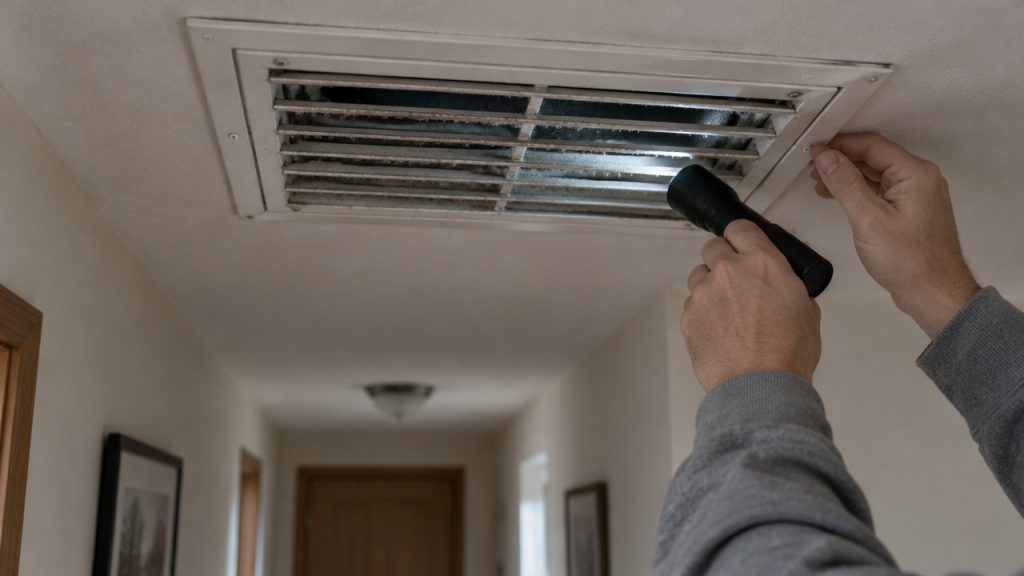
How do you know if your air ducts need to be cleaned? The house usually tells you first: a dusty home that stays dusty, musty odors from vents, visible mold, pests or droppings, or simply no memory of the last cleaning. Dust and smells are signals to keep an eye on, while mold and pests are reasons to act now. Sneezing, a baby’s sensitive airways, or an HVAC system that seems to work harder for a higher bill can point the same way, and they all tie back to indoor air quality. The real decision is whether what you’re seeing is routine upkeep or a red flag that calls for a pro soon.
How Do You Know If Your Air Ducts Need Cleaning? Look for These Telltale Signs
Your ducts likely need cleaning if you spot visible mold growth, find pest droppings, notice persistent dust layers, smell musty odors from your vents, or realize you have no record of a previous cleaning. The site’s general guideline suggests addressing these every three to five years, though certain warning signs demand immediate attention rather than waiting for the calendar to roll around.
- Visible mold on vents, registers, or duct interiors signals a contamination problem.
- Pest droppings, nesting materials, or insect shells indicate an active infestation.
- Persistent dust returns quickly after cleaning surfaces.
- Musty smells flow from supply registers when the HVAC runs.
- No record of cleaning in the past three to five years.
Many Austin homeowners are surprised to learn that the average six-room house generates up to 40 pounds of dust each year through everyday living, and a significant portion of that winds up circulating through your air duct system. When you consider top signs your air ducts need cleaning, the evidence often builds gradually until one morning you notice the coffee table dusty again, just days after you wiped it down.
Signs You Can Spot Around the House: Dust, Odors, and Visible Debris
Not every warning sign is an emergency. Some clues build slowly, giving you time to schedule service before things worsen. The most common everyday indicators involve what you see and smell when your system runs. These contaminants circulate through your living spaces five to seven times per day during normal operation, so what hides in your ductwork eventually lands on your furniture and in your lungs.
Dust that returns within days of thorough cleaning points to a system circulating more than it filters. Your HVAC filter catches some particles, but when dust loads are high inside the ductwork, the filter cannot keep up. The result is a cycle where your system picks up debris from inside the ducts and deposits it right back into your rooms.
- Dust settles on furniture, shelves, and floors within a few days of cleaning.
- Musty odors drift from supply registers, especially when the heating or cooling kicks on.
- Dark streaks or stains appear around vent covers and register openings.
- Clogged filters need changing more often than the manufacturer recommends.
- Debris blows out of vents when the system first starts up.
Stale or musty smells often stem from organic buildup inside your ductwork. Bacteria and mold thrive in dark, moist environments, and your HVAC system creates ideal conditions during humid Austin summers. When you notice these signs that you need air duct cleaning in your home, it points to biological growth that warrants closer inspection.
Dark stains around vent edges develop as fine particles force their way through gaps between the register and the ceiling or floor. Over time, this creates an unsightly ring that no amount of surface cleaning removes. The source lies deeper, inside the duct system where air pressure pushes contaminants past the register edges.
Red Flags That Mean Act Now: Mold, Pests, and Droppings
Some signals are more than maintenance items. They are red flags that deserve immediate attention. Visible mold, pest droppings, and the sounds of something living in your ductwork all point to active contamination that grows worse with time. These are not problems that resolve on their own.
Mold spores are microscopic and travel easily through air currents. When you see visible mold growing on supply registers, vent covers, or inside accessible duct openings, you are looking at what has already bloomed. The colony producing those spores extends deeper into the system where you cannot see it.
- Visible mold growth on any HVAC component, vent cover, or duct surface.
- Pest droppings found near return or supply openings.
- Chewed insulation, nesting materials, or dead insects inside ductwork.
- Scratching, rustling, or squeaking sounds from walls, floors, or ceilings when the system runs.
Rodent and insect infestations create multiple problems at once. Droppings carry bacteria. Urine leaves residual odors that spread through your home. Nesting materials block airflow and create fire hazards near heating elements. When you recognize when your air ducts need to be cleaned due to pests, professional removal of the contaminated materials matters more than scheduling convenience.
According to the Environmental Protection Agency, mold growth can occur in as little as 24 to 48 hours when moisture combines with organic material. Duct interiors provide both the surface and the dust particles that feed mold colonies, making prompt removal essential once you see visible signs.
When Your Body and Your Bills Tell the Story: Allergies, Babies, and HVAC Strain
Sometimes the clearest signs are not what you see but what you feel. Worsening allergy symptoms, persistent respiratory irritation, and unexplained spikes in energy costs all trace back to dirty or obstructed ductwork. Clean ducts help your system run efficiently, which keeps energy costs manageable, and they may ease air quality concerns for family members who react to airborne particles.
Allergy sufferers often notice the difference before anyone else. Sneezing, congestion, itchy eyes, and coughing tend to worsen when the HVAC system cycles on because that is when particles disperse throughout the house. If symptoms improve when you leave home and return when you walk through the door, your indoor air quality deserves a closer look.
Infants breathe more air per pound of body weight than adults, and their developing respiratory systems are more sensitive to airborne contaminants. For homes with babies, cleaner air matters more. While duct cleaning is not a cure-all, reducing the total particle load in your home air contributes to a healthier environment.
Rising utility bills without a corresponding increase in usage typically mean your HVAC system works harder than necessary. Obstructed ducts force the blower to push against resistance, which draws more power and stresses components. Over time, this shortens equipment life and inflates monthly costs.
The U.S. Department of Energy reports that 25 to 40 percent of the energy used for heating or cooling is wasted, and contaminants in the duct system cause your HVAC equipment to work harder and wear out sooner.
Understanding the potential health benefits of clean air ducts helps Austin homeowners make informed decisions about when to schedule service. Cleaner ductwork cannot solve every health issue, but it reduces one common source of indoor air contamination.
How Often Should Austin Homeowners Clean Their Ducts, and What Happens Next?
Most homes benefit from professional duct cleaning every three to five years. That timeline shifts earlier if warning signs appear, after major renovations, or when moving into a previously occupied home. The goal is staying ahead of buildup rather than waiting for visible contamination to force your hand.
Austin’s climate adds considerations. High humidity during summer months creates conditions where mold thrives. Allergy season brings heavy pollen loads that settle into ductwork. Local homeowners face more environmental pressure on their air systems than people in drier climates.
- Inspect your return registers and supply vents for visible dust, debris, or discoloration every few months.
- Note the date of your last cleaning, and set a reminder for three years out if you do not see earlier warning signs.
- Watch for any of the red flags discussed above, and move your schedule forward if they appear.
- Contact a professional cleaner to assess your system, and schedule professional air duct cleaning when contaminants are confirmed.
Noble Air provides air duct cleaning across Central Texas, helping homeowners address contamination before it affects comfort, health, or system performance. A professional inspection can confirm whether what you suspect is actually present inside your ductwork.
Air Duct Cleaning Questions Homeowners Often Ask
Can I check my air ducts myself without special tools?
Yes, a basic visual inspection is possible with a flashlight and a screwdriver. Remove a supply register or return cover, shine a light inside, and look for dust buildup, debris, or discoloration on the duct walls. This limited view cannot show the full length of your ductwork, so professional inspection with camera equipment provides a more complete picture.
Is a dusty home always a sign of dirty air ducts?
No, dust can come from multiple sources. Daily living, pets, open windows, and nearby construction all contribute. When dust returns quickly after cleaning and you notice it near supply vents, then duct contamination is more likely part of the cause.
Should I clean my ducts after renovation or moving into a new home?
Yes, both scenarios warrant a thorough duct cleaning. Construction generates fine dust that settles inside ductwork, and previous owners may not have maintained the system. Starting fresh ensures you are not circulating someone else’s debris through your living spaces.
Do homes with babies or allergy sufferers need cleaning more often?
Yes, households with sensitive occupants may benefit from more frequent cleaning. Reducing particle loads in the air matters more for developing respiratory systems and allergy-prone individuals. Consider cleaning closer to the three-year mark rather than waiting the full five.
What should I do if I find mold in my vents?
Contact a professional immediately rather than attempting to clean it yourself. Visible mold indicates a broader colony deeper in the system, and improper removal can spread spores. A trained technician contains the area, removes contaminated materials, and addresses the moisture source.
How can I tell a reputable duct cleaner from a bad one?
Look for clear proof of training, proper equipment, and realistic pricing. Reputable companies use truck-mounted vacuum systems, explain their process, and do not rely on scare tactics. Check reviews, ask for a written scope of work, and avoid any offer that sounds too cheap for the labor and equipment involved. For more details, see this comprehensive guide to air duct cleaning.