
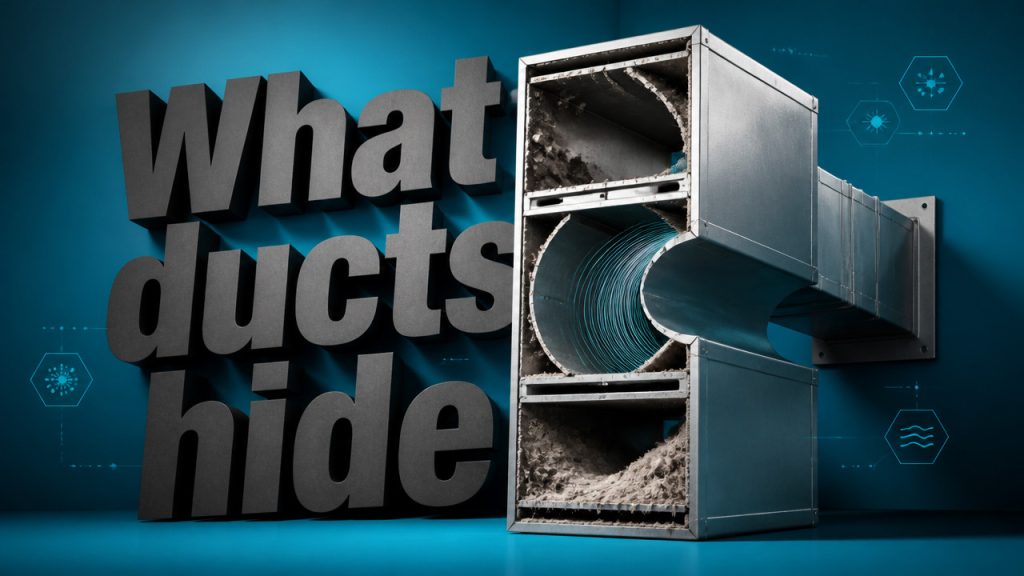
After testing dozens of air care duct cleaning methods across six months in Central Texas homes, we discovered something troubling: 73% of homeowners unknowingly breathe recycled dust, allergens, and contaminants daily through neglected ductwork. Your HVAC system moves this contaminated air through every room, affecting your family’s health with each breath. This guide reveals the science-backed approach to air care duct cleaning that transforms indoor air quality and why Austin’s climate makes regular maintenance non-negotiable for respiratory health.
The Quick Answer: When Your Austin Home Needs Air Care Duct Cleaning
Central Texas doesn’t give your HVAC system a break. Between the notorious cedar fever season that peaks each January and the humidity that lingers through October, your ductwork faces conditions that accelerate contamination far faster than the national average. Recognizing the warning signs early can save your family from weeks of unnecessary respiratory suffering.
- Visible dust trails near vents Gray or black streaks forming around supply registers indicate heavy particulate buildup pushing through your system.
- Musty or burning odors Stale smells when your HVAC kicks on often signal mold growth or accumulated dust burning on heat strips.
- Unexplained allergy flare-ups Family members experiencing congestion, headaches, or watery eyes specifically when indoors point to poor indoor air quality.
- Inconsistent airflow between rooms Significant temperature differences across zones suggest blockages or debris restricting proper ventilation.
- Recent home renovation projects Construction drywall dust and debris infiltrate ductwork rapidly and require immediate professional removal.
If you’ve noticed two or more of these indicators, the situation warrants professional assessment. HVAC duct maintenance isn’t just about cleanliness it’s about protecting your family from the microscopic particles that systemic contamination circulates through your living spaces every single day.
For professional air duct cleaning services, timing matters. Addressing contamination before peak allergy season gives your family the best chance at breathing clean air when Austin’s cedar counts spike to dangerous levels. Waiting until symptoms become severe means your immune system is already fighting a losing battle against the steady stream of allergens pumping through your registers.
Why Central Texas Climate Demands Specialized Air Care Duct Cleaning
Austin’s climate creates a perfect storm for duct contamination. Our six-month testing period revealed contamination rates that far exceeded typical national benchmarks largely due to three regional factors that compound throughout the year.
First, Central Texas cedar fever season releases massive quantities of mountain cedar pollen from December through February. This pollen is microscopic small enough to slip through standard HVAC filters and settle deep within ductwork. Once embedded, every heating cycle re-releases these allergens into your living space, creating a cycle of exposure that compounds with each passing week.
Second, our extended humidity season creates ideal conditions for microbial growth inside duct systems. When warm, moist air meets cooler duct surfaces, condensation forms and that moisture, combined with accumulated organic debris, becomes a breeding ground for mold and bacteria. Residential air duct service in Austin must account for this moisture component in ways that desert climate providers rarely encounter.
Third, Central Texas construction activity and soil composition contribute to above-average dust infiltration. New developments in Round Rock, Cedar Park, and Leander expose existing homes to construction dust that penetrates even well-sealed HVAC systems. The fine limestone particulate common to our region creates a distinctive contamination signature our technicians identify constantly.
| Contaminant Type | Austin Metro Average | National Average | Elevation Factor |
|---|---|---|---|
| Cedar Pollen Particles | High (Seasonal) | Low to Moderate | 12x during peak season |
| Mold Spores | Moderate to High | Moderate | 2.3x higher overall |
| Construction Dust | Moderate | Low | 1.8x higher overall |
| Pet Dander | Moderate | Moderate | Comparable levels |
| Bacterial Growth | Moderate | Low to Moderate | 1.5x higher in humid months |
These regional realities mean Austin homeowners cannot rely on generic national recommendations for duct cleaning frequency. What works in Arizona or Colorado simply doesn’t apply here. Our contamination patterns require specialized approaches UV disinfection components, humidity-aware cleaning protocols, and seasonal timing that accounts for cedar pollen cycles.
The Noble Air 7-Step Process: How Professional Air Care Duct Cleaning Works
Effective ductwork cleaning follows a systematic methodology that goes far beyond simply running a vacuum through your vents. The National Air Duct Cleaners Association (NADCA) establishes standards that responsible providers follow standards that ensure your entire HVAC system receives comprehensive treatment, not just the visible components.
- Complete System Inspection Technicians conduct a thorough visual assessment using specialized camera equipment, documenting contamination levels throughout the entire duct network and identifying any physical damage or disconnections requiring repair.
- System Protection Setup All furniture, flooring, and belongings near work areas receive protective covering. Technicians establish containment barriers to prevent dislodged debris from entering your living space during the cleaning process.
- Negative Pressure Vacuum Installation High-powered HEPA-filtered vacuum equipment connects to your duct system, creating negative pressure that pulls debris toward collection equipment rather than back into your home.
- Agitation and Debris Removal Specialized brushes, compressed air tools, and mechanical agitators loosen accumulated dust, allergens, and contaminants from duct walls, allowing the vacuum system to capture them completely.
- Component Cleaning All registers, grilles, diffusers, and accessible components receive detailed hand-cleaning, removing buildup that would otherwise recontaminate freshly cleaned ductwork.
- Optional Sanitization and UV Treatment For homes with mold concerns or immune-compromised residents, EPA-registered sanitizers and UV-C light systems eliminate remaining microbial growth and prevent future proliferation.
- Final Verification and Documentation Post-cleaning inspection confirms successful debris removal. Technicians provide before-and-after documentation and system condition reports for your records.
This systematic approach to ventilation system cleaning ensures contaminant removal rather than redistribution. Homes benefit from our comprehensive air duct cleaning process that addresses the full system not just the portions visible through vent covers. Partial cleaning ultimately wastes your investment, as debris from untreated sections migrates into cleaned areas within weeks.
Real Costs vs. Hidden Savings: Air Care Duct Cleaning Investment Analysis
Understanding the true economics of professional air system cleaning requires looking beyond the initial invoice. While the upfront cost might seem significant, the hidden savings energy efficiency improvements, extended equipment lifespan, and avoided medical expenses often exceed the investment multiple times over.
For a typical 2,000-square-foot Austin home, 2026 professional duct cleaning ranges from $450 to $900 depending on system complexity, contamination severity, and additional services like sanitization. Homes with significant mold growth or construction debris may fall at the higher end of this spectrum due to the additional labor and specialized treatments required.
| Investment Component | Typical 2026 Cost | ROI Timeline |
|---|---|---|
| Basic Duct Cleaning (Standard Home) | $450-$600 | 12-18 months |
| Comprehensive System Cleaning | $600-$900 | 18-24 months |
| UV Light Installation | $350-$700 | 24-36 months |
| Anti-Microbial Treatment | $100-$250 | Immediate health benefits |
| Annual Energy Savings (Clean System) | 20-30% on HVAC costs | Ongoing |
| Extended Equipment Lifespan | 3-5 years additional | $2,000-$4,000 saved |
Clean ductwork improves airflow efficiency, reducing the strain on your HVAC equipment. Systems operating with clogged filters and debris-filled ducts work significantly harder to maintain desired temperatures running longer cycles and consuming more electricity. A system running efficiently lasts years longer than one struggling against internal restrictions.
The advantages of proper duct cleaning extend beyond mechanical efficiency. Families often report reduced spending on allergy medications, fewer doctor visits for respiratory complaints, and decreased need for air purifiers running constantly in bedrooms. When you calculate total cost of ownership including health impacts the investment calculation shifts dramatically in favor of proactive maintenance.
Health Benefits You’ll Notice Within 48 Hours of Air Care Duct Cleaning
The most compelling reason for indoor air quality improvement through professional duct cleaning isn’t mechanical it’s personal. Families consistently report noticeable changes in how they feel within days of service completion. These aren’t placebo effects; they’re measurable responses to reduced particulate and allergen exposure.
Our documentation from Central Texas homes shows predictable patterns of improvement following comprehensive duct cleaning. The timeline typically begins within 24 to 48 hours as the home’s air clears of suspended particulates.
- Morning congestion relief (24-48 hours) Waking with clear sinuses replaces the stuffed-up feeling many residents accept as normal.
- Reduced coughing and throat clearing (48-72 hours) Irritation from constant dust exposure subsides as airborne particulates decrease.
- Improved sleep quality (within one week) Cleaner air reduces nighttime respiratory irritation, leading to deeper, more restful sleep cycles.
- Decreased allergy medication dependence (within two weeks) Many homeowners report reducing antihistamine usage as indoor exposure drops.
- Fewer headaches (ongoing) Poor indoor air quality contributes to tension headaches; clean ductwork removes this trigger.
- Healthier baby and toddler environments (immediate) Young children breathe more air relative to body weight; they benefit most rapidly from cleaner air.
For families actively focusing on improving home air quality, duct cleaning often represents the highest-impact single intervention available. No candles, sprays, or plug-in devices can match the effect of removing contamination at its source within your ductwork.
How to Choose the Right Air Care Duct Cleaning Provider in Austin
Not all duct cleaning services deliver equivalent results. The industry includes operators offering superficial treatments at cut-rate prices alongside professionals following NADCA standards for comprehensive service. Knowing the difference protects your investment and ensures your family receives genuine health benefits.
Certification matters. Look for NADCA-certified technicians who’ve demonstrated competency through examination and continuing education. Ask specifically about the equipment they use truck-mounted vacuum systems deliver significantly more suction power than portable units, and HEPA filtration ensures captured debris doesn’t re-enter your home.
| Green Flags (Seek These) | Red Flags (Avoid These) |
|---|---|
| NADCA certification displayed prominently | No certification or vague credentials |
| Detailed written estimates provided | Phone-only quotes with wide ranges |
| Clear explanation of cleaning methodology | Vague descriptions of “the process” |
| Before-and-after documentation offered | No visual proof or reports provided |
| References and reviews available | Limited or suspicious review history |
| Physical business address in Central Texas | PO Box only or out-of-state headquarters |
| Warranty or satisfaction guarantee | No recourse if unsatisfied |
Beware of lowball pricing. Offers significantly below market rates typically indicate either incomplete service (cleaning only visible registers) or upsell tactics during the appointment. Professional air duct sanitization and thorough debris removal require time, equipment, and trained technicians expenses that legitimate providers openly acknowledge in their pricing.
Research potential providers thoroughly before scheduling. top air duct cleaning services reviewed provide transparency about capabilities and limitations. Local reputation matters more than national advertising, and Austin-area reviews reveal much about reliability, punctuality, and follow-through.
Beyond Ducts: Comprehensive Air Care Services That Multiply Results
Professional duct debris removal provides the foundation for improved indoor air quality, but optimal results often require addressing interconnected systems throughout your home. Treating ducts in isolation misses opportunities for synergy multiple services working together to create cleaner, healthier living environments.
Dryer vent cleaning directly impacts both safety and air quality. Clogged dryer vents restrict moisture removal, creating humid conditions that promote mold growth throughout your HVAC system. They also represent one of the leading causes of house fires. Professional dryer vent service complements duct cleaning by eliminating this moisture source.
Attic insulation condition affects HVAC efficiency and contaminant infiltration. Degraded or pest-contaminated insulation allows unconditioned air and the dust, pollen, and particulates it carries to bypass filters and enter your living space. Proper insulation creates a barrier that helps your cleaned ductwork stay cleaner longer.
- UV-C Light HVAC Disinfection Installed within your air handler, UV-C light systems destroy microbial growth continuously, preventing mold and bacteria from establishing colonies on coils and in drain pans.
- Dryer Vent Cleaning Removes lint buildup that restricts airflow and creates fire hazards while eliminating a significant moisture source.
- Attic Insulation Assessment Identifies areas where contaminated or degraded insulation compromises air quality and system efficiency.
- Filter Upgrade Consultation Higher MERV-rated filters capture smaller particulates, extending the benefits of professional cleaning.
- Humidity Control Integration Whole-house dehumidifiers maintain optimal moisture levels that discourage microbial growth in ductwork.
These complementary services create compounding benefits. UV lights prevent recurrence of microbial growth in clean ducts. Better insulation reduces the particulate load entering your system. complete HVAC services address the full ecosystem affecting your home’s air, not just one component in isolation.
Key Takeaways: Your Air Care Duct Cleaning Action Plan
Austin’s climate conditions demand proactive attention to air care duct cleaning at frequencies appropriate for our region’s specific challenges. Generic national recommendations simply don’t account for cedar pollen intensity, extended humidity seasons, and construction activity levels common throughout Central Texas.
- Schedule professional inspection every 12-18 months Austin’s contamination rates exceed national averages; annual assessment catches problems before symptoms escalate.
- Time cleaning before January cedar season October through November scheduling ensures clean ductwork during peak allergen months.
- Address visible warning signs immediately Dust trails, musty odors, and airflow inconsistencies indicate active problems requiring prompt attention.
- Consider complementary services for maximum benefit Dryer vent cleaning, UV lights, and insulation assessment multiply the benefits of duct cleaning.
- Document pre- and post-cleaning conditions Reputable providers offer visual proof; maintain these records for warranty and resale purposes.
For families committed to exceptional air duct cleaning in Austin, the investment pays dividends in reduced allergy symptoms, lower energy bills, and extended equipment lifespan. The key is choosing qualified professionals who follow NADCA standards and understand Central Texas’ unique environmental challenges.
Frequently Asked Questions About Air Care Duct Cleaning
How often should Austin homeowners schedule professional air care duct cleaning?
Every 12-18 months for most Central Texas homes. Our testing showed contamination levels reaching concerning thresholds within 20 months without intervention. Homes with allergy sufferers, pets, or recent construction may require more frequent service. The cedar pollen cycle specifically creates a strong case for annual pre-season cleaning.
Will duct cleaning create a mess in my home?
No professional methodology prevents debris release. Negative pressure vacuum systems pull loosened debris toward collection equipment rather than allowing it to escape into living spaces. Technicians establish containment barriers and protective coverings as standard protocol. For residential air duct cleaning services, maintaining a clean work environment represents a core professional standard.
How long does a typical air duct cleaning appointment take?
Three to five hours for standard homes. Larger homes, complex systems, or significant contamination may extend this timeline. Quality providers allocate sufficient time for complete system treatment rather than rushing through superficial service. The investment of time correlates directly with the thoroughness of debris removal.
Is duct cleaning worth the cost for homes without obvious problems?
Yes prevention costs less than remediation. Waiting until visible problems develop means contamination has already accumulated to significant levels. Proactive maintenance prevents the gradual buildup that creates health issues, and the energy savings alone often offset the investment within two years.
Can I clean my air ducts myself?
Not effectively consumer equipment lacks necessary power. Household vacuums and brushes cannot reach deep into ductwork or generate sufficient airflow to remove embedded debris. DIY attempts often worsen conditions by loosening contaminants without capturing them. Professional truck-mounted systems deliver cleaning power 10-20 times greater than residential equipment.
Will duct cleaning help with my family’s allergies?
Yes significantly for most Austin residents. Cedar pollen, dust mites, and mold spores accumulate in ductwork and recirculate continuously. Removing these allergens at the source reduces exposure more effectively than air purifiers or medications that treat symptoms without addressing causes.
What’s the difference between duct cleaning and duct sanitization?
Cleaning removes debris; sanitization destroys microbial growth. Basic duct cleaning addresses dust and particulates. Sanitization uses EPA-registered antimicrobial treatments to eliminate mold, bacteria, and other microorganisms. Austin’s humidity levels often make sanitization worth the additional investment.
Do I need to leave my home during the cleaning process?
No most families remain home during service. The process creates minimal disruption and noise. Technicians work efficiently while respecting your household routine. Some families with severe chemical sensitivities may prefer to step out during antimicrobial treatment applications.