
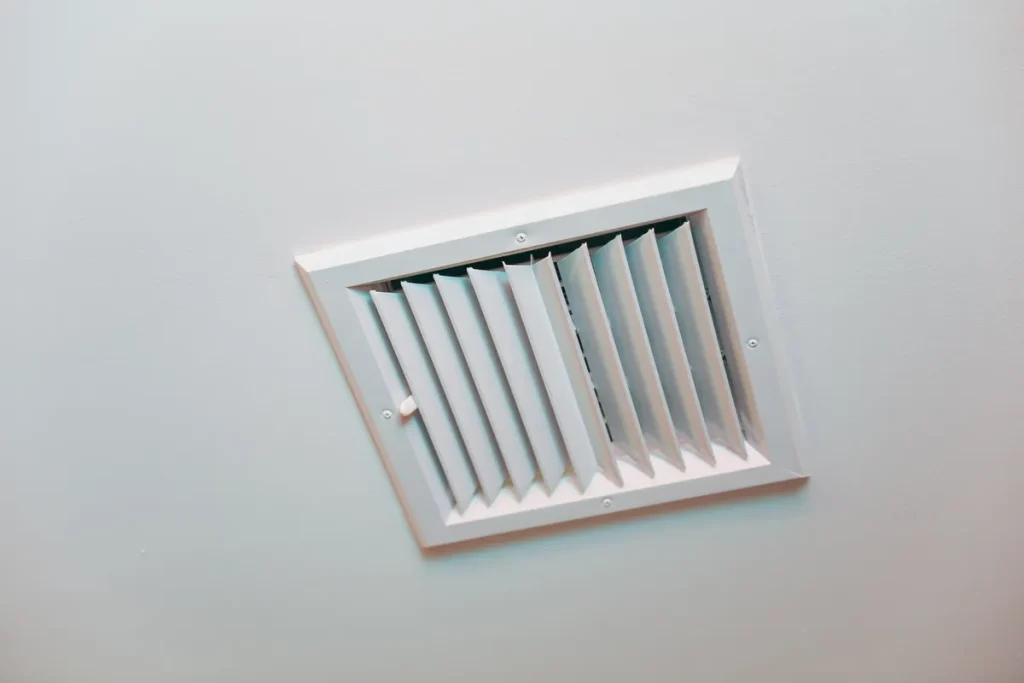
There’s a lot of bad information floating around about air duct cleaning in Round Rock, TXand some of it is costing homeowners real money and real health problems. People either think it’s unnecessary, or they wait until something goes visibly wrong before calling anyone. Neither approach works well in Central Texas, where the climate creates conditions that are genuinely hard on HVAC systems. Let’s set the record straight on what actually matters and what’s just noise.

Your Ducts Look Fine, So They Must Be Fine, Right?
This is probably the most common mistake people make. The logic seems reasonable: if you can’t see a problem, there isn’t one. But your ductwork runs through walls, attics, and crawl spaces that you never look at. What’s happening inside those hidden sections is a completely different story.
Round Rock sits in a humidity corridor that makes it one of the more challenging environments for HVAC systems in the state. When warm, humid air meets the cool interior surfaces of your air conditioning ducts, condensation forms. Over time, that moisture creates exactly the conditions mold needs to take hold. Mold inside ductwork, particularly in the plenum, which is the central chamber your system draws air through, doesn’t announce itself with visible growth. It announces itself with musty odors, worsening allergy symptoms, and air that just doesn’t feel clean no matter how often you change your filter.
If you’ve noticed any of those signs, it’s worth reading about the warning signs that point to air duct sanitizing before assuming it’s something else. Mold in HVAC systems is more common in this region than most people realize, and catching it early makes a significant difference in both cost and health outcomes.
The “I Just Changed My Filter” Myth
Fresh filters are important. Nobody’s arguing that. But a filter only catches what passes through it, it does nothing for the buildup that’s already coating the interior walls of your duct system, sitting in your vents, or growing in your air handler. Thinking a clean filter means clean ducts is like thinking a clean front door means a clean house.
Over years of normal use, ducts accumulate dust, pet dander, insulation particles, and biological material. In older homes, and Round Rock has plenty of neighborhoods with homes that are 15 to 25 years old, that buildup can be substantial. When your system kicks on, it doesn’t just circulate air. It circulates everything that’s been sitting in those ducts, and it does it dozens of times a day.
The practical question isn’t whether your ducts need attention. It’s whether the buildup has reached a point where it’s affecting your air quality or your system’s efficiency. A professional inspection answers that quickly. The team at Noble Air’s Round Rock location can assess the actual condition of your system rather than guessing based on how old the house is.
Mold in Ducts Is a Bigger Deal Than Most Companies Admit
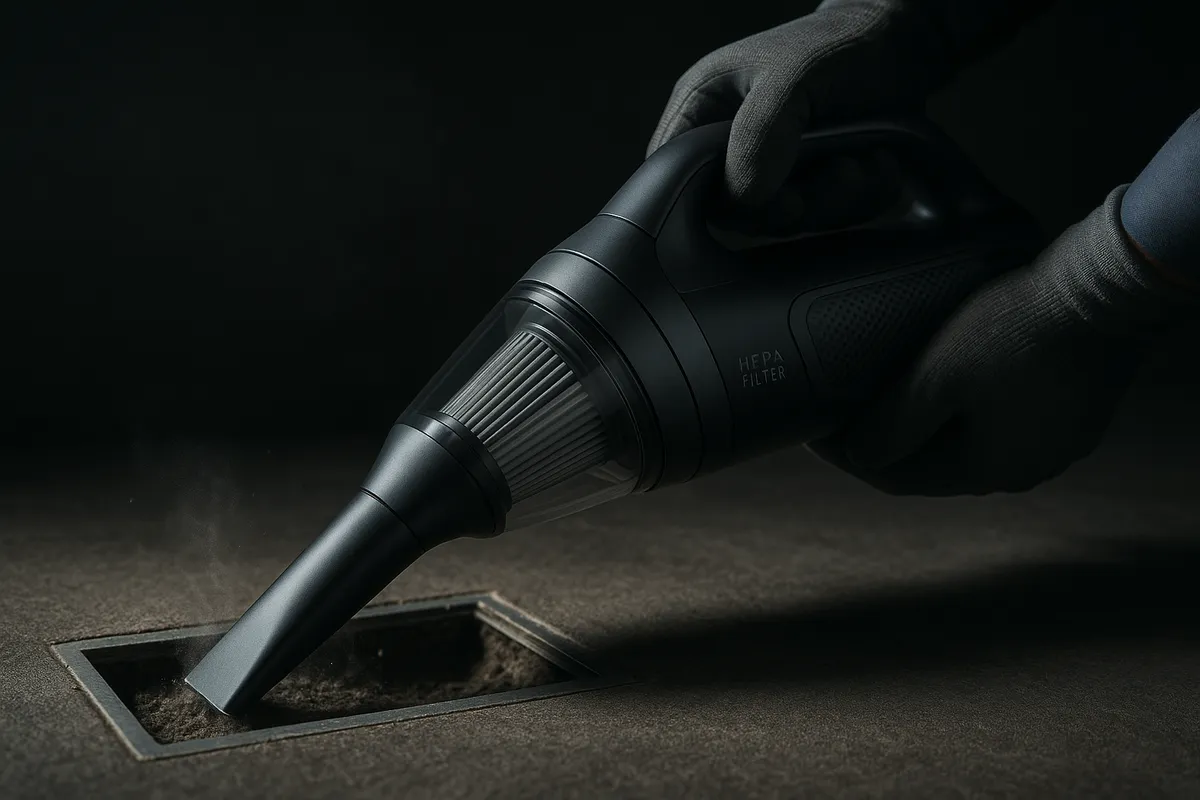
Here’s something worth saying plainly: not every duct cleaning company treats mold as the serious issue it is. Some will clean visible debris, hand you an invoice, and move on. But if mold is present, especially in the plenum or around the evaporator coil, standard cleaning without proper sanitizing and treatment is just moving the problem around.
Mold spores are microscopic. They travel through your duct system and settle throughout your home. People with asthma, young children, elderly family members, or anyone with a compromised immune system are particularly vulnerable. And in Central Texas, where AC systems run for eight or nine months of the year, the exposure isn’t occasional, it’s constant.
The humidity factor is critical here. Texas summers push indoor humidity levels in ways that keep duct interiors consistently moist if the system isn’t properly balanced. That’s why mold remediation in HVAC systems requires more than a vacuum and a brush. It requires identifying the moisture source, treating the affected areas properly, and verifying the results. If you want to understand what’s actually involved, this breakdown on cleaning mold from air ducts covers the process honestly.
Waiting Until Something Breaks Is the Most Expensive Strategy
People delay duct service for a few reasons, cost, inconvenience, skepticism that it matters. All of those are understandable. But the math almost always works against waiting.
A system running through clogged or contaminated ducts works harder to move air. That extra strain shows up on your energy bill before it shows up as a breakdown. Homeowners who’ve had their systems properly serviced consistently report that their units run more quietly and their monthly cooling costs drop noticeably. That’s not a coincidence, it’s basic physics. Restricted airflow means more work for the same result.
Beyond efficiency, there’s the mold timeline to consider. A small mold colony in a plenum or near the evaporator coil is a manageable cleaning job. Left alone for another season or two, it spreads into the duct branches, potentially into insulation, and the remediation scope grows considerably. The cost difference between catching it early and addressing it after it’s established is not trivial.
Round Rock homeowners who’ve gone through the process, particularly those dealing with unexplained allergy flare-ups or persistent musty smells, often say the same thing afterward: they wish they hadn’t waited as long as they did. The improvement in how the home feels is usually immediate and noticeable.
If your system hasn’t been looked at in the last few years, or if you’ve moved into a home without knowing its service history, scheduling an inspection is the straightforward move. It costs far less than reacting to a problem that’s had time to grow.
Frequently Asked Questions
How do I know if mold is actually growing in my ducts if I can’t see it?
The signs are usually a persistent musty smell, worsening allergy symptoms, or air that just doesn’t feel clean even after you’ve changed your filter recently. Mold in the plenum or around the evaporator coil doesn’t show up where you can spot it, it shows up in how your home smells and how your family feels. A professional inspection is the only way to know for certain what’s happening inside the hidden sections of your system.
My filter is brand new, why would my ducts still need attention?
A filter only catches what passes through it going forward; it does nothing about the dust, pet dander, insulation particles, and biological material already coating the interior walls of your ducts. Think of it the way the article puts it: a clean front door doesn’t mean a clean house. In Round Rock homes that are 15 to 25 years old, that interior buildup can be substantial regardless of how often you swap filters.
Why does Round Rock’s climate make this more of a concern than other parts of Texas?
Round Rock sits in a humidity corridor that creates consistent moisture problems inside duct systems, when warm, humid air meets the cool interior surfaces of AC ducts, condensation forms and gives mold exactly what it needs to take hold. Texas AC systems also run for eight or nine months out of the year, which means any mold present isn’t an occasional exposure problem, it’s a constant one. That combination of high humidity and long run times is what makes this region particularly hard on HVAC systems.
What’s the actual cost difference between catching a mold problem early versus waiting?
The article doesn’t name specific dollar figures, but it’s direct about the direction: a small mold colony in a plenum or near the evaporator coil is a manageable job, while one that’s had another season or two to spread into duct branches and insulation becomes a significantly larger remediation scope. Beyond remediation costs, a system pushing air through clogged or contaminated ducts works harder and shows up on your energy bill before it shows up as a breakdown. Homeowners who’ve had their systems properly serviced consistently report quieter operation and noticeably lower monthly cooling costs afterward.
If I hire a company to clean my ducts, how do I know they’re actually handling mold correctly and not just vacuuming it around?
The article flags this directly, some companies clean visible debris and move on without treating the mold itself, which just relocates the problem rather than solving it. Proper mold remediation means identifying the moisture source, treating the affected areas, and verifying the results, not just running a brush through the system. If a company isn’t talking about sanitizing, moisture source identification, and post-treatment verification, that’s worth asking about before you agree to anything.
Get Directions to Noble Air Duct Cleaning & Chimney Sweep
🎧 Listen to this as a podcast
Also on Apple Podcasts, Spotify, and Amazon Music.