
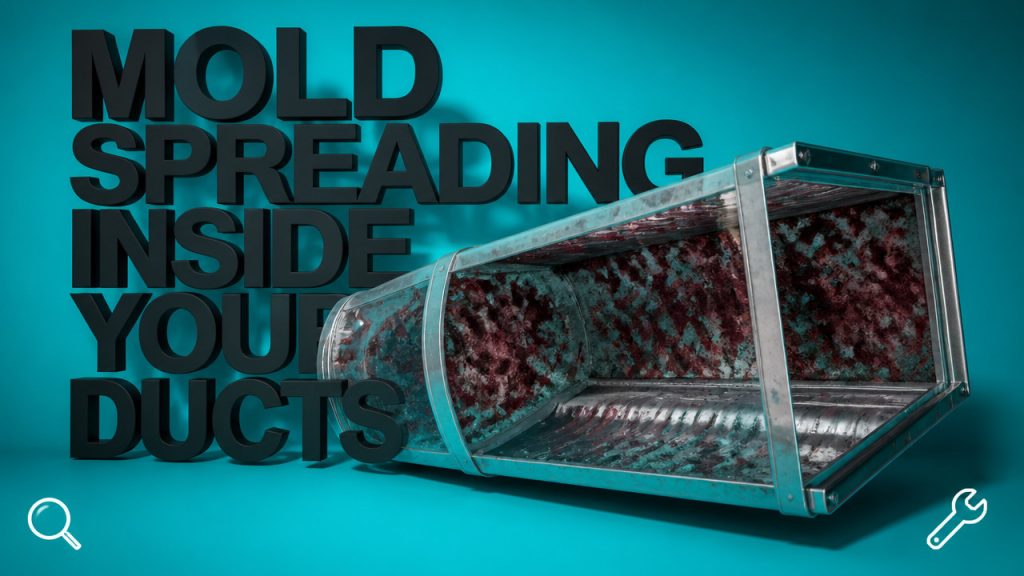
Mold thriving in your air ducts threatens every breath your family takes especially in Austin’s humid climate where spores multiply rapidly. This comprehensive guide reveals the proven methods professionals use to eliminate duct mold, from identifying contamination patterns to deploying EPA-approved treatments. Whether you’re confronting visible growth or mysterious allergy symptoms, you’ll learn the exact protocols that restore safe air quality in Central Texas homes while preventing costly recurring infestations.
Quick Answer: Eliminating Mold from Your Ductwork System
Learning how to clean mold from air ducts starts with understanding the contamination scope. Small, surface-level patches might respond to DIY methods, but widespread growth demands professional intervention due to health risks and recurrence potential. The process involves three critical phases that work together to restore your home’s air quality.
- Source Identification: Locate moisture entry points and visible growth areas throughout the ventilation system
- Physical Removal: Agitate and extract mold colonies using HEPA-filtered vacuum equipment
- Antimicrobial Treatment: Apply EPA-registered solutions to kill remaining spores and prevent regrowth
Attempting removal beyond 10 square feet of contamination puts your family at risk of spore inhalation and cross-contamination. For significant infestations, professional duct mold cleaning services provide the containment and equipment necessary for safe remediation.
Why Austin’s Climate Creates Perfect Mold Conditions [2026 Analysis]
Central Texas homeowners face a unique battle against duct mold that residents in drier climates rarely experience. The Austin metro area averages 88% relative humidity during morning hours throughout August and September, creating ideal breeding conditions inside air handling systems. Your HVAC unit naturally creates temperature differentials that cause condensation when warm, moisture-laden air hits cold duct surfaces, water droplets form and feed fungal growth.
This regional humidity pattern means Austin ventilation systems stay damp longer than equipment in West Texas or Panhandle communities. Even homes with dehumidifiers struggle during peak summer months when the outdoor air holds more moisture than indoor air can safely absorb. Understanding these local patterns helps explain why impact on indoor air quality and health becomes so pronounced for Central Texas families.
| Region | Avg. Summer Humidity | Duct Mold Risk Level | Peak Growth Season |
|---|---|---|---|
| Central Texas (Austin) | 65-88% | High | May-October |
| North Texas (Dallas) | 55-72% | Moderate | June-September |
| West Texas (El Paso) | 25-40% | Low | July-August |
| Gulf Coast (Houston) | 70-90% | Very High | April-November |
Identifying Mold Species in Your Ventilation System [Study]
Not all mold presents equal danger to your household. Ductwork environments typically harbor several fungal varieties, each with distinct appearance and health implications. Recognizing these differences helps you communicate effectively with remediation specialists and understand why certain removal approaches work better for specific species.
The most concerning variety homeowners encounter is Stachybotrys chartarum, commonly called black mold. This toxic species produces mycotoxins that can cause serious respiratory issues, especially in children and elderly residents. Conversely, Aspergillus species appear more frequently but generally pose lower health risks unless individuals have compromised immune systems. Learning to spot warning signs your air ducts need attention helps catch infestations before they spread throughout your home.
- Aspergillus: Green, yellow, or white powdery growth; triggers allergic reactions and asthma flares
- Stachybotrys (Black Mold): Dark greenish-black, slimy texture; produces dangerous mycotoxins
- Cladosporium: Olive-green to brown patches; common allergen causing respiratory irritation
- Penicillium: Blue-green velvety texture; spreads rapidly and produces musty odors
- Alternaria: Dark green or black with velvet appearance; causes allergic responses and asthma attacks
Safety Protocols Before Starting Mold Remediation
Before tackling any duct mold removal project, proper protective equipment isn’t optional it’s essential. Microscopic spores become airborne during cleaning, settling in your lungs and potentially causing long-term health consequences. Professional remediation teams follow strict containment protocols that homeowners should understand even when hiring outside help.
Your minimum protection includes an N95 respirator mask, disposable gloves, and eye protection that seals against your face. For larger contamination areas, full-face respirators with P100 filters become necessary to prevent spore inhalation. Children, pregnant women, elderly residents, and anyone with respiratory conditions should leave the home during active remediation work. Understanding these health benefits of professional duct cleaning helps families make informed decisions about their safety.
Step-by-Step Professional Mold Extraction Method
Professional HVAC mold remediation follows a systematic approach designed to eliminate existing growth while preventing cross-contamination to unaffected areas of your home. This method exceeds what typical DIY attempts can achieve because it addresses both visible mold and microscopic spores embedded deep within ductwork insulation and joints.
The National Air Duct Cleaners Association (NADCA) sets industry standards that guide legitimate remediation companies. Their protocols emphasize source removal over chemical treatment alone physically extracting mold colonies provides better results than simply killing growth and leaving dead material inside your air system. Noble Air technicians follow a comprehensive thorough residential duct cleaning techniques protocol that addresses both contamination and underlying causes.
- System Inspection: Insert borescope cameras into supply and return ducts to map contamination extent and locate moisture sources
- Containment Setup: Seal all registers except the work zone, establish negative air pressure with HEPA-filtered exhaust to prevent spore escape
- Mechanical Agitation: Deploy rotary brushes and compressed air whips that dislodge mold colonies from duct walls without damaging insulation
- HEPA Vacuuming: Capture dislodged spores and debris using vacuum equipment with filters meeting DOE standards for particle retention
- Component Cleaning: Remove and clean blower fans, evaporator coils, and drip pans where mold colonies frequently establish
- Source Moisture Elimination: Seal duct leaks, repair damaged insulation, and address condensation issues causing the original growth
- Final HEPA Capture: Run negative air equipment for 6-8 hours following cleaning to capture any remaining airborne spores
EPA-Approved Antimicrobial Treatments That Actually Work [2026 Data]
Physical removal addresses visible mold, but antimicrobial treatments provide the spore-killing action that prevents immediate regrowth. The EPA registers specific products for use in HVAC systems, meaning they’ve undergone testing for safety when airborne particles might contact living spaces. Using unregistered chemicals risks respiratory damage to your family and corrosion to sensitive HVAC components.
Application methods vary significantly in their effectiveness and longevity. Fogging treatments distribute antimicrobial solution as fine mist that reaches deep into ductwork, while coating applications leave residual protection on duct surfaces that continues killing spores after technicians leave. Understanding Noble Air’s comprehensive air duct cleaning approach helps homeowners choose appropriate treatments for their situation.
| Treatment Method | Coverage Area | Residual Protection | Best Application | Cost Factor |
|---|---|---|---|---|
| Fogging | Complete system | 24-48 hours | Active mold elimination | Moderate |
| Coating Application | Accessible surfaces | 6-12 months | Prevention + treatment | Higher |
| UV Light Systems | Coil area only | Continuous | Prevention and biological control | Initial investment |
| Encapsulant Sealants | Interior duct walls | 2-3 years | Severe contamination | Highest |
Preventing Future Mold Growth in Central Texas Homes
Successful remediation means little if conditions allowing mold growth remain unaddressed. Central Texas homeowners must implement ongoing prevention strategies that counteract regional humidity patterns and typical HVAC moisture issues. These proactive measures cost significantly less than repeat remediation while protecting your family’s respiratory health year-round.
The most effective prevention combines moisture control with technologies that actively inhibit biological growth. UV light installed inside your air handler irradiates passing spores, effectively sterilizing air before it circulates through your home. Pairing these systems with dehumidification equipment addresses the root conditions that make Austin homes vulnerable to duct mold in the first place. Homeowners focused on maintaining healthy indoor air quality typically implement multiple prevention layers for maximum protection.
- UV-C Light Installation: Mount germicidal lamps inside air handlers to sterilize mold spores before they enter ductwork
- Whole-Home Dehumidification: Maintain indoor humidity below 50% even during Austin’s peak moisture months
- Regular Filter Replacement: Change HVAC filters monthly during high-use seasons to prevent organic debris accumulation
- Annual Professional Inspection: Schedule yearly assessments that catch moisture problems before mold establishes
- Duct Sealing: Eliminate condensation points where cool conditioned air meets warm humid surfaces
- Proper Drainage: Keep condensate drain lines clear to prevent standing water inside your air handling unit
Key Takeaways: Protecting Your Family from Duct Mold
Duct mold threatens more than just your HVAC equipment it directly impacts every family member breathing your home’s air. Austin’s climate creates persistent conditions favorable to fungal growth, making vigilance and prevention essential rather than optional for Central Texas homeowners. Taking decisive action at the first sign of contamination protects both your property investment and your family’s health.
Understanding when professional intervention becomes necessary prevents well-meaning homeowners from creating dangerous exposure situations. Contamination exceeding 10 square feet, black mold presence, or growth in multiple duct sections all indicate situations requiring professional containment and removal equipment. Noble Air provides deep cleaning for healthier living spaces that addresses both immediate contamination and underlying causes.
- Act Immediately: Mold colonies double in size every 24-48 hours under ideal conditions delay increases remediation costs
- Identify Moisture Sources: Without addressing humidity or condensation problems, mold will return despite thorough cleaning
- Exceed DIY Thresholds: Professional equipment captures spores that household vacuums simply redistribute
- Install Prevention Systems: UV lights and proper humidity control eliminate recurrence conditions
- Schedule Annual Assessments: Professional inspections catch developing problems before they require extensive remediation
FAQ: Mold Removal from Air Ducts
How much does professional duct mold removal cost in Austin?
Costs range from $500-$4,000 depending on contamination extent and system size. Average Central Texas homes with moderate growth typically pay $1,200-$1,800 for complete removal. Severe cases requiring component replacement or encapsulation coatings push costs toward the higher end of that spectrum.
Can I clean mold from my air ducts myself?
Yes, but only limited areas under 10 square feet with proper PPE. DIY attempts on larger infestations risk releasing dangerous spore quantities into your living space. Professional remediation includes containment and HEPA filtration equipment most homeowners lack access to.
How long does duct mold removal take?
Professional remediation requires 4-8 hours for typical residential systems. Larger homes or severe contamination extending into multiple zones may require two days. The timeline includes inspection setup, removal work, antimicrobial treatment, and final HEPA capture operation.
Will cleaning my ducts improve my allergies?
Yes, for mold-triggered allergies studies show significant symptom reduction. A study by the American College of Allergy, Asthma & Immunology found that indoor air quality improvements reduced respiratory symptoms in mold-sensitive individuals by substantial margins.
Does homeowners insurance cover duct mold removal?
Coverage depends on cause and your specific policy terms. Mold resulting from sudden accidental water damage (like a pipe burst) typically receives coverage, while gradual maintenance issues like condensation buildup usually don’t qualify.
How often should Austin homeowners inspect ducts for mold?
Annual inspections are recommended given Central Texas humidity levels. Homes with previous mold history, older HVAC systems, or family members with respiratory conditions benefit from bi-annual assessments during peak humidity seasons.
Is black mold in ducts dangerous to my family?
Yes, Stachybotrys produces mycotoxins linked to serious health issues. Children, elderly residents, and immunocompromised individuals face elevated risks from black mold exposure. Professional removal with containment equipment becomes mandatory for toxic species.
What kills mold permanently in air ducts?
EPA-registered antimicrobials combined with complete source removal provides lasting results. No single treatment prevents future growth without addressing underlying moisture conditions ongoing prevention strategies remain essential for long-term success.