
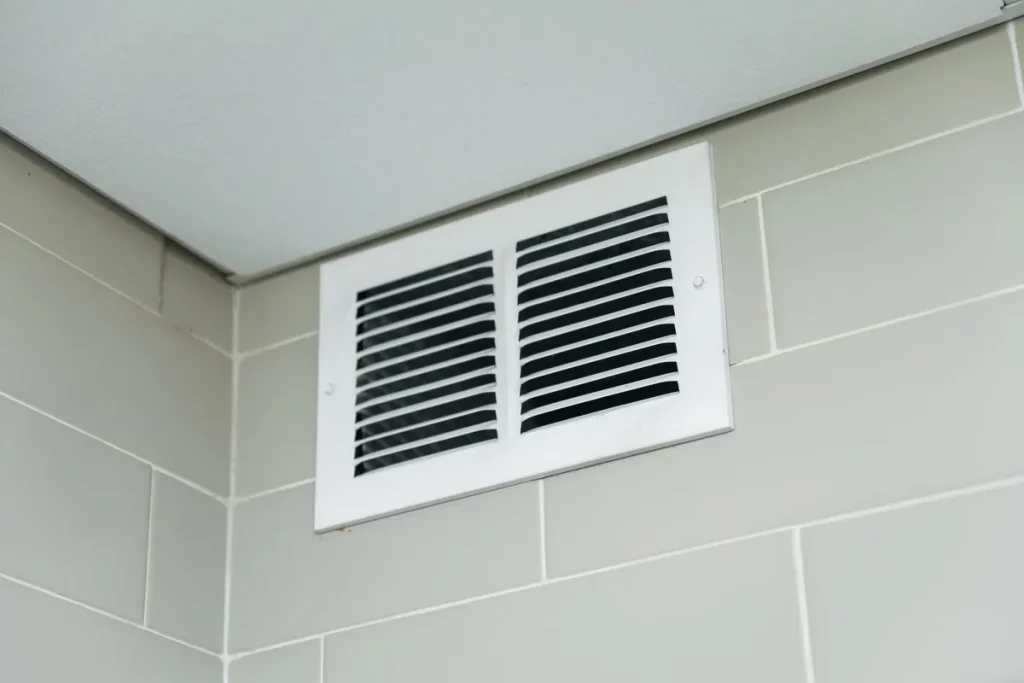
You’ve tried the antihistamines. You’ve swapped out your pillowcase. You’ve even blamed the dog. But if your sneezing, congestion, and itchy eyes seem to get worse the moment your system kicks on, the real culprit might be hiding inside your ductwork. Proper HVAC cleaning in Round Rock, TX isn’t just about efficiency, it’s one of the most overlooked factors in household allergy management, and most homeowners don’t realize they’ve been getting an incomplete job until the symptoms keep coming back.
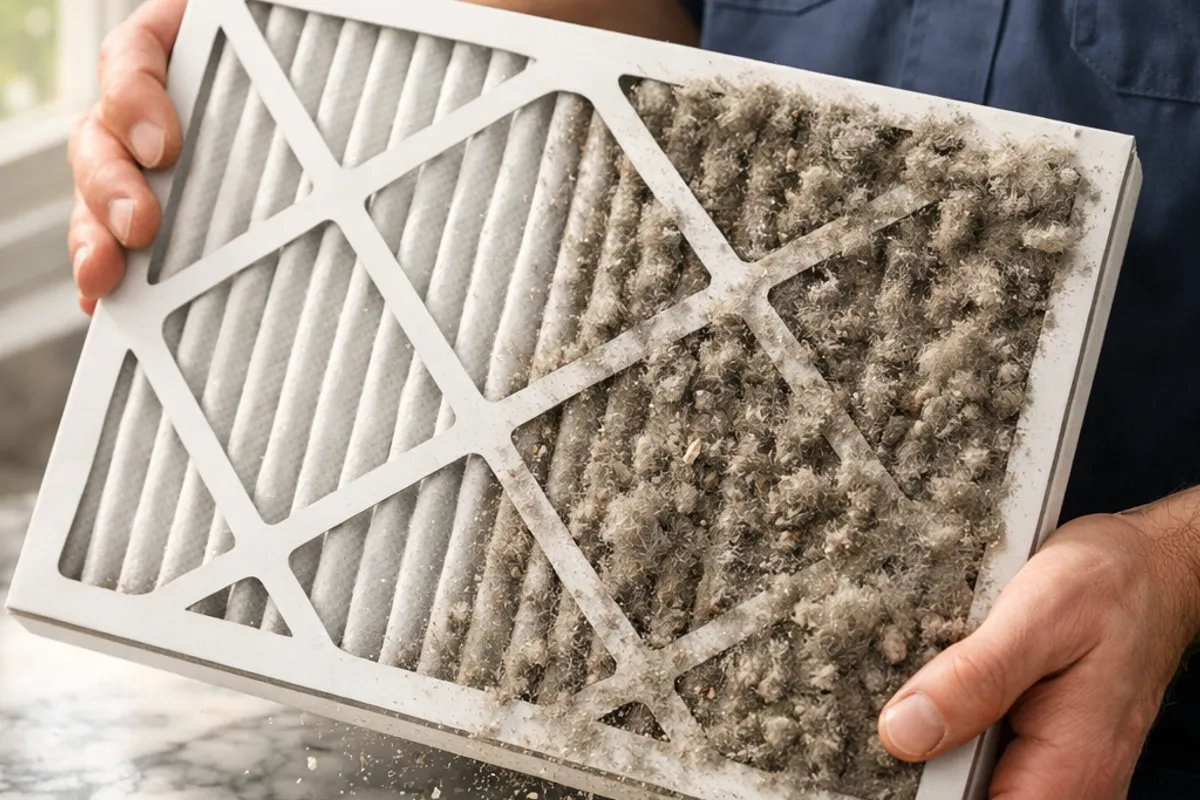
When “Cleaned” Doesn’t Actually Mean Clean
Here’s something that surprises a lot of people: not all duct cleanings are created equal. A technician can run a vacuum through your vents, hand you a receipt, and leave behind a system that’s still circulating dust, dander, and worse. The difference between a surface-level job and a thorough cleaning is significant, and your sinuses will tell you which one you got.
A complete job means cleaning the supply and return ducts, the air handler, the blower motor, the coils, and the drain pan. Miss any one of those components and you’ve essentially cleaned the hallway but left the kitchen a mess. Contaminants from the untouched areas will migrate right back into the spaces you just cleaned within days.
This is especially relevant in Central Texas, where homes run their systems almost year-round. The more hours your system logs, the more debris accumulates, and the more surfaces there are for mold spores, bacteria, and allergens to cling to.
The Mold Problem Nobody Wants to Talk About
Dust and pet dander are bad enough, but mold is in a different category entirely. Round Rock’s humidity levels, particularly during spring and fall, create ideal conditions for mold growth inside ductwork and HVAC components. Once it takes hold, no amount of air freshener or filter swapping is going to fix the problem.
One of the most common places mold develops is the plenum, the central chamber that connects your air handler to the rest of the duct system. It’s warm, it’s dark, and if there’s any moisture present, it becomes a breeding ground. Many homeowners have no idea this is even a thing until a technician opens it up. If you want to understand how serious this can get, this breakdown on plenum mold cleaning is worth reading before your next service call.
The tricky part is that mold symptoms, headaches, fatigue, respiratory irritation, often get misattributed to seasonal allergies or a lingering cold. People spend months treating the wrong problem. If your symptoms are worse at home than they are outside or at work, that’s a meaningful clue that something is living in your system that shouldn’t be.
For a deeper look at what to watch for, what Round Rock homeowners should know about mold in air ducts covers the warning signs in plain language.
Why Round Rock Homes Face a Specific Set of Challenges
Round Rock isn’t just another Texas suburb. The combination of rapid development, clay-heavy soil, and a climate that swings between brutal summer heat and damp winter stretches creates conditions that accelerate buildup inside HVAC systems faster than in many other parts of the country.
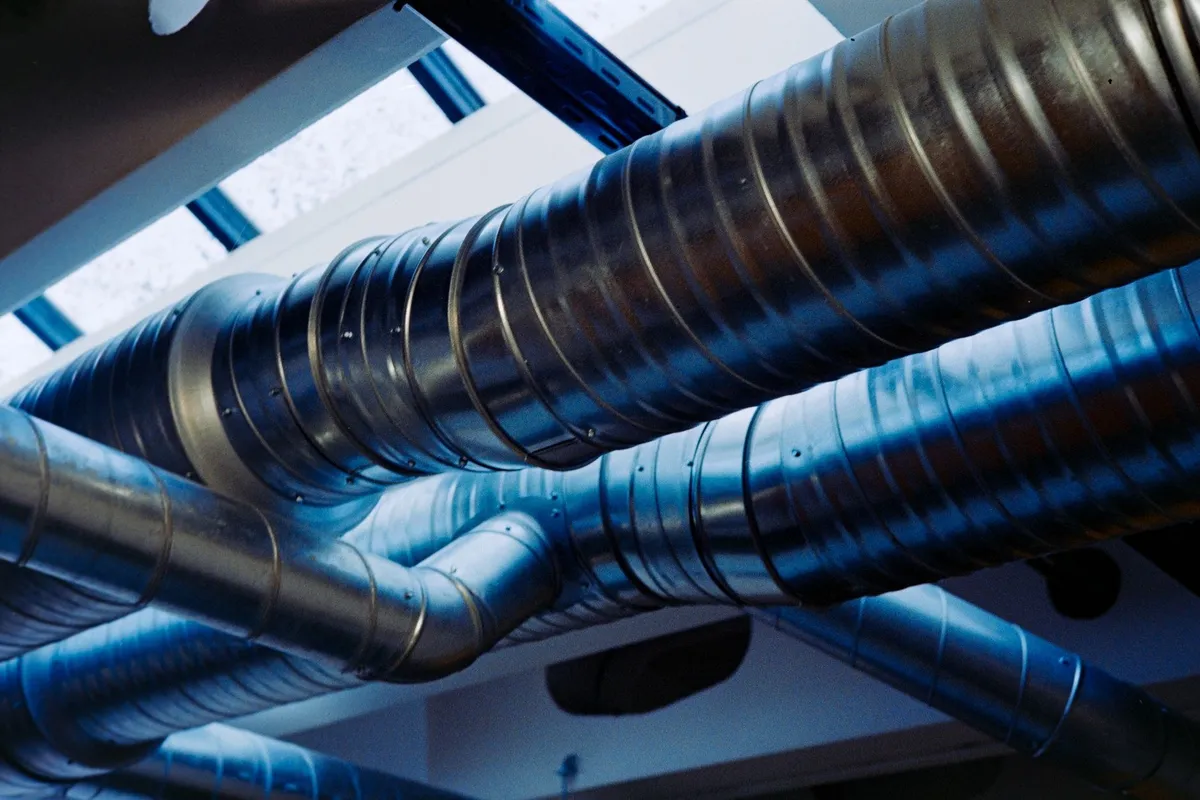
Newer construction in the area, and there’s been a lot of it, often uses flexible ductwork that can sag, kink, or develop gaps over time. Those imperfections trap debris and create pockets where moisture can sit. Older homes, on the other hand, may have rigid metal ducts that haven’t been touched in a decade or more. Both scenarios create real air quality problems, just for different reasons.
Noble Air serves homeowners across Round Rock and the surrounding area and has seen firsthand how much variability there is from one home to the next. A house that looks pristine on the outside can have ductwork that tells a completely different story once you get inside it. That kind of local, hands-on experience matters when you’re trying to figure out why your family keeps getting sick.
It’s also worth thinking beyond the ducts themselves. If your dryer vent hasn’t been cleaned recently, lint buildup can affect indoor air quality and create a fire risk at the same time. Dryer vent cleaning in Round Rock is one of those services that tends to get skipped until something goes wrong, and by then, the problem is usually bigger than it needed to be.
What a Thorough Job Actually Looks Like
If you’ve had your system serviced before and your allergy symptoms haven’t improved, it’s worth asking some pointed questions about what was actually done. A legitimate, complete cleaning should take a few hours, not forty-five minutes. Technicians should be using commercial-grade negative air pressure equipment, not just a shop vac. Every accessible component should be inspected, not just the vents you can see from the hallway.
Before any work starts, a good technician will do a visual inspection and tell you what they’re finding. If there’s mold present, that changes the scope of the job, sanitizing becomes part of the process, not an optional add-on. Some homeowners are surprised to learn that a cleaning alone won’t eliminate an active mold problem; treatment and sanitizing have to follow the physical removal.
Customers who’ve gone through this process often describe the difference as immediate, better sleep, fewer morning headaches, kids who aren’t constantly sniffling. That kind of result isn’t magic. It’s what happens when the source of the problem actually gets addressed instead of temporarily masked.
If you’ve been blaming your allergies on pollen or pets and haven’t had your system properly inspected, it might be time to look a little closer at what’s moving through your home every time the air kicks on. The answer might be right there in your ceiling.
Frequently Asked Questions
How do I know if the technician who cleaned my ducts actually did a complete job?
A thorough cleaning should take a few hours, if the tech was in and out in under an hour, that’s a red flag that corners were cut. A complete job covers the supply and return ducts, the air handler, blower motor, coils, and drain pan, not just the vents you can see from the hallway. Ask the technician specifically which components they cleaned before they leave, and make sure commercial-grade negative air pressure equipment was used, not just a shop vac.
What is the plenum, and why does it matter for my family’s air quality?
The plenum is the central chamber that connects your air handler to the rest of your duct system, it’s warm, dark, and one of the most common places mold develops inside an HVAC system. Most homeowners have never heard of it until a technician opens it up and finds a problem. Because air passes through the plenum before it reaches every room in your house, mold growing there gets distributed throughout your home every time the system runs.
My symptoms feel like seasonal allergies, but could my ductwork actually be the cause?
One telling sign is whether your symptoms are worse at home than they are outside or at work, if that’s the case, something inside your system is likely contributing. Mold in particular causes headaches, fatigue, and respiratory irritation that people routinely mistake for a lingering cold or pollen allergies. Round Rock’s humidity levels in spring and fall create real conditions for mold growth inside ductwork, so it’s worth having the system inspected before assuming pollen is the only culprit.
Does it matter whether my home has flexible ductwork or older rigid metal ducts?
Both create air quality problems, just for different reasons. Flexible ductwork, common in newer Round Rock construction, can sag, kink, or develop gaps over time, which traps debris and lets moisture sit in pockets. Older rigid metal ducts that haven’t been touched in a decade or more have their own buildup issues, and the problems inside them are often worse than the outside of the home would suggest.
If mold is found during the inspection, is a standard cleaning enough to fix it?
No, a cleaning alone won’t eliminate an active mold problem. Physical removal has to be followed by sanitizing treatment, which is a separate part of the process and not an optional add-on. A good technician will tell you upfront what they’re finding during the visual inspection before any work starts, so you know exactly what the job involves before you agree to it.
Get Directions to Noble Air Duct Cleaning & Chimney Sweep
🎧 Listen to this as a podcast
Also on Apple Podcasts, Spotify, and Amazon Music.