

Central Texas homeowners pay between $125 and $350 for professional flue cleaning in 2026, with most Austin-area services averaging $189 [2026 Data]. This essential maintenance protects against carbon monoxide poisoning, house fires, and structural damage making it one of the smartest investments in your home’s safety infrastructure. Your exact cost depends on flue height, creosote buildup severity, accessibility challenges, and whether you need simultaneous inspections or repairs during the cleaning visit.
Quick Answer: What You’ll Actually Pay for Flue Cleaning in Austin
Austin homeowners deserve straight answers when budgeting for fireplace maintenance. The chimney flue cleaning price you see advertised rarely tells the complete story. Base rates cover standard single-story flue access with minimal creosote accumulation. Reality often differs.
Most reputable providers structure their pricing around service tiers. A basic cleaning addresses soot and loose debris. Premium packages include deeper inspection, camera verification, and preventative treatments. Understanding these tiers helps you compare quotes accurately.
| Service Package | Standard Cleaning | Premium Cleaning |
|---|---|---|
| Visual Inspection | Basic exterior check | Full internal/external assessment |
| Creosote Removal | Light to moderate buildup | Heavy deposits + glaze treatment |
| Camera Inspection | Not included | Video scan of flue liner |
| Cleaning Method | Standard rotary brushes | Rotary + chemical treatment |
| Report Provided | Verbal summary | Written documentation |
| Average Austin Cost | $125 – $175 | $225 – $350 |
Your final Austin chimney service cost depends on four primary variables. Flue height matters because two-story homes require extension equipment and additional safety gear. Creosote severity dictates whether technicians use standard brushes or specialized rotary loops. Accessibility issues like steep roof pitches or tight clearances add labor time. Finally, simultaneous inspections catch problems early but increase the initial investment.
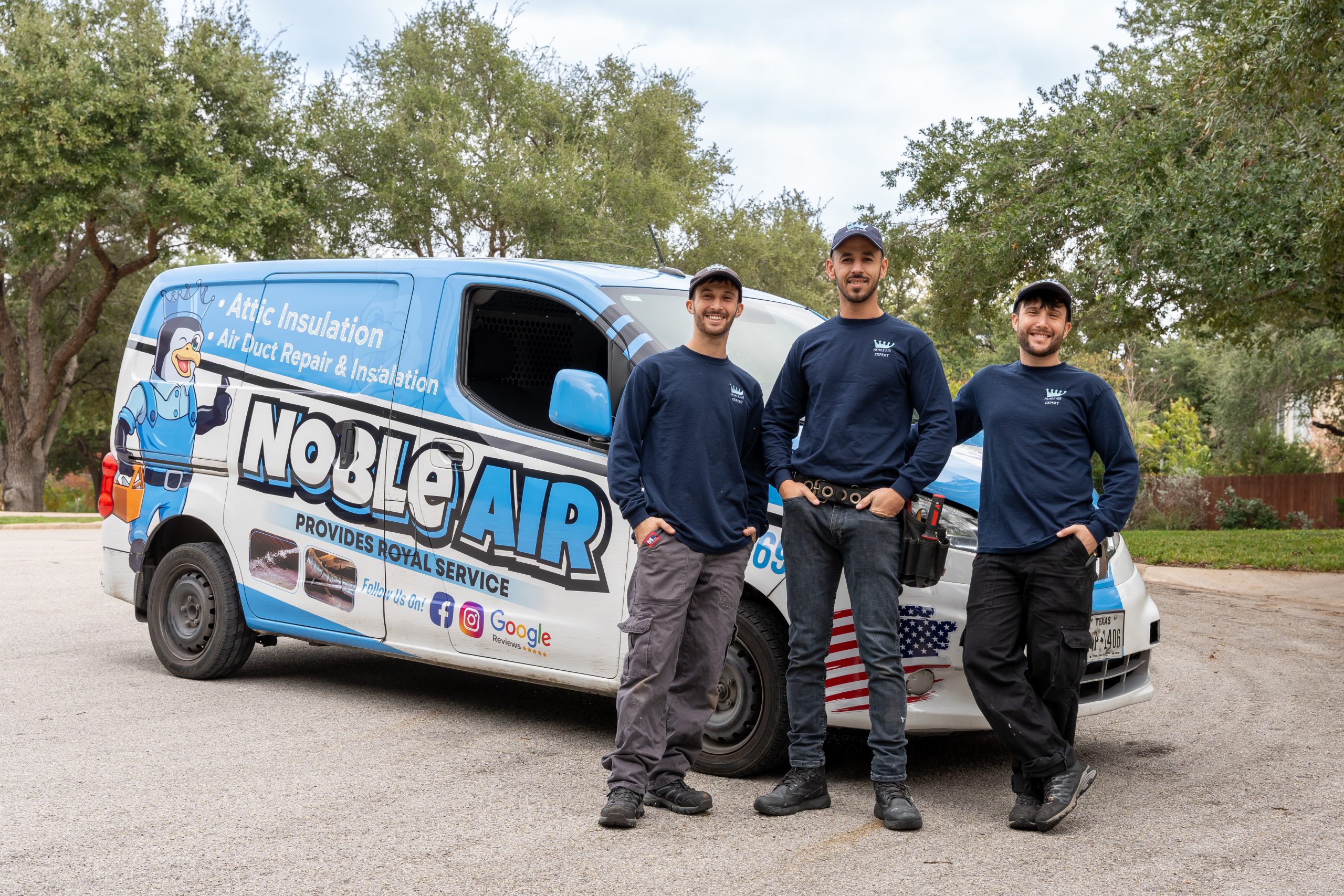
Bundling services often reduces your overall flue maintenance expenses. Many Austin homeowners combine cleaning with chimney cleaning service costs for comprehensive fireplace care. This approach saves return trip fees and ensures nothing gets overlooked.
Why Austin Flue Cleaning Costs Differ From National Averages
Central Texas presents unique challenges that influence chimney sweep rates Austin homeowners encounter. Our climate, architecture, and burning habits create conditions unlike anywhere else in the country.
The Hill Country’s abundance of Ashe juniper locally called cedar shapes regional burning patterns. Homeowners here burn cedar more frequently than other hardwoods. Cedar produces distinctive creosote patterns that require specialized removal techniques. This isn’t necessarily worse than other woods, just different.
- Climate humidity cycles: Austin’s wet winters followed by dry springs accelerate creosote hardening inside flues.
- Cedar burning prevalence: Hill Country properties often use abundant local cedar, creating unique residue patterns requiring specialized brushes.
- Tall rooflines common: Modern Austin homes feature steep pitches and multiple stories, increasing equipment and safety requirements.
- Permit requirements: Travis County and surrounding areas require specific licensing that legitimate companies maintain.
- Regional labor costs: Austin’s growing population drives higher service industry wages compared to rural Texas markets.
Research from the Chimney Safety Institute indicates that regional climate directly impacts maintenance frequency needs [Study]. Austin’s humid subtropical climate means moisture creeps into chimney systems more readily than in arid regions. This moisture combines with combustion byproducts to accelerate creosote formation, particularly in older masonry structures.
Local labor demands also affect fireplace flue cleaning fees. Austin’s construction boom has created constant demand for skilled tradespeople. Companies offering the chimney sweep process must compete for qualified technicians. This competition drives wages upward, reflected in service pricing.
The Hidden Expenses Most Austin Homeowners Overlook
That advertised flue cleaning cost on a website often excludes critical components. Knowing what might trigger additional charges prevents surprise bills when technicians finish their work.
Separate inspection fees represent the most common add-on. Basic cleaning includes minimal visual assessment. A thorough examination examining the flue liner, smoke chamber, crown condition, and damper operation requires dedicated time. Professional inspections typically cost $85 to $150 separately.
Flue liner repairs catch homeowners off guard frequently. Clay tile liners crack over time. Metal liners corrode at joints. Repair costs depend entirely on damage extent and liner type. Small cracks might need sealing. Significant deterioration requires sectional replacement or full relining a much larger investment.
Cap replacements seem minor until you consider their importance. A quality stainless steel cap prevents water intrusion, animal entry, and spark escape. Damaged or missing caps accelerate chimney deterioration. Skip this protection, and you’ll face waterproofing repairs later that dwarf the cost of a proper cap.
The smartest approach treats inspection as non-negotiable. flue and liner inspection services identify issues before they become emergencies. Carbon monoxide intrusion from cracked liners kills silently. Chimney fires from undetected creosote destroy homes. These aren’t risks worth taking to save $100.
Crown cracks similarly hide from untrained eyes. The concrete crown tops your masonry chimney. Hairline cracks let water penetrate, freeze, expand, and worsen. Unaddressed, crown deterioration spreads downward through the entire chimney structure. Sealing minor cracks costs hundreds. Rebuilding a failed crown costs thousands.
How to Calculate Your Exact Flue Cleaning Investment
Predicting your final creosote removal pricing becomes straightforward once you understand the formula. Legitimate companies evaluate the same factors consistently.
Start with the base service rate. This covers standard single-story access, basic cleaning equipment, and minimum labor. Austin prices range from $125 to $175 for this baseline. Everything builds from here.
- Establish your base service rate ($125-$175 for single-story standard access).
- Add height premium ($25-$50 per additional story or steep pitch).
- Factor condition surcharge ($50-$150 depending on creosote severity).
- Include inspection fees ($85-$150 if requesting full examination).
- Account for repair needs (varies entirely by issue discovered).
- Consider accessibility challenges ($25-$75 for difficult roof access).
- Add required parts (caps, seals, replacement components as needed).
- Calculate your total estimated investment.
Height premiums reflect real safety and equipment costs. Two-story homes require additional ladder sections, roof anchors, and safety harnesses. Steep pitches common in Austin’s modern architectural styles need specialty footing and often a second technician for safety compliance.
Creosote condition directly impacts labor time. Light accumulation brushes away in 30 minutes. Heavy glazed deposits require rotary chains and potentially chemical treatments that break down tar-like residue. Severe cases might need multiple passes.
Noble Air’s transparent pricing philosophy means discussing these variables upfront. Our technicians walk through exactly what they find and why specific services matter. comprehensive chimney services include clear explanations without pressure tactics. You deserve to understand where your money goes.
Request quotes versus flat rates depending on your situation. Standard single-story homes with predictable conditions often benefit from flat-rate pricing. Unique situations multi-story homes, known damage, unusual configurations warrant detailed quotes that specify individual components.
Frequency Analysis: How Often Austin Homes Need Flue Cleaning
Manufactured fireplaces see different maintenance needs than traditional masonry. Gas appliances require inspection but accumulate different byproducts. Wood-burning fireplaces follow standard guidelines based on usage.
- Wood-burning daily: Clean annually without exception. Daily use produces significant creosote accumulation.
- Wood-burning weekly: Clean every 1-2 years depending on wood type and burn habits.
- Wood-burning occasionally: Clean every 2-3 years but inspect annually for animal intrusion or water damage.
- Gas fireplace: Inspect annually for blockages. Clean every 3-5 years as needed.
- Pellet stoves: Clean annually due to high-volume fly ash production.
The National Fire Protection Association recommends annual inspection for all solid fuel-burning appliances regardless of use frequency [Data]. Even dormant chimneys develop issues. Animals nest in unused flues. Moisture damages liners and crowns. Exterior mortar deteriorates. Annual inspection catches these problems early.
Wood-burning frequency in Central Texas varies considerably. Some Austin homeowners use fireplaces as primary heat sources during winter cold snaps. Others light fires purely for ambiance during occasional winter evenings. Your usage pattern determines cleaning urgency.
Gas appliances mislead homeowners into complacency. Gas doesn’t produce creosote, but gas flues still need attention. Birds build nests on top of gas caps. Leaves accumulate in open terminations. Spalling brick creates debris that falls into gas liners. Blockages cause carbon monoxide to backdraft into living spaces. typical chimney sweep duration varies, but gas inspection typically runs shorter than wood flue cleaning.
Pellet stoves present unique considerations. These efficient heaters produce minimal smoke but substantial fly ash. This fine residue coats flue passages differently than wood creosote. Pellet flues need annual cleaning regardless of apparent condition.
Cost-Cutting Strategies That Won’t Compromise Safety
Saving money on flue inspection cost doesn’t mean cutting corners. Smart strategies reduce expenses while maintaining safety standards.
Bundling services with your flue cleaning makes financial sense. Noble Air offers combined packages. Homeowners who air duct cleaning service pricing alongside chimney service often see package discounts. Same visit, same technicians, lower total than scheduling separately.
Seasonal timing matters in Austin’s market. Demand peaks during fall months. Homeowners suddenly remember their fireplaces when temperatures drop. Scheduling during spring or summer often yields better availability and occasionally promotional pricing. Planning ahead beats scrambling in November.
DIY inspection saves nothing if you miss critical problems. A flashlight glance up the flue shows obvious blockages. It won’t reveal hairline cracks in clay liners. It can’t identify deteriorating mortar between flue tiles. It misses crown cracks hidden by soot. Professional inspection uses mirrors, cameras, and trained eyes.
Minor tasks homeowners can safely handle include keeping the firebox cleared of excess ash, ensuring damper operation, and visually verifying no obvious obstructions before each burning season. These don’t replace professional service but contribute to overall fireplace health.
Avoid the temptation of “chimney cleaning logs” as service substitutes. These products contain chemicals that claim to loosen creosote. They might reduce minor accumulation slightly. They cannot physically remove hardened deposits. They certainly cannot inspect liner integrity. Think of them as supplements, never replacements.
When Premium Flue Cleaning Services Justify Higher Costs
Video inspection technology transforms what technicians can see. Traditional inspection uses mirrors on poles. This method works for direct sight lines but misses everything around corners or deep inside smoke chambers. Video cameras access every inch of your flue.
The investment in video inspection typically $75 to $125 additional prevents future expenses. A crack detected early costs hundreds to repair. A crack that propagates undetected until chimney fire occurs costs thousands in reconstruction. The math speaks for itself.
Level 2 inspections follow NFPA standards for specific situations. Real estate transactions require them. System modifications trigger them. Any incident like chimney fire or lightning strike demands Level 2 assessment. This inspection includes video scanning and accessible portions of chimney exterior.
Level 3 inspections address serious concerns. When Level 2 reveals hidden damage, Level 3 investigates concealed areas. This might require removing chimney components to access problems. It’s comprehensive, invasive, and necessary when significant issues surface.
Insurance documentation represents another premium service value. After video inspection, you receive photographic evidence of your chimney’s condition. This documentation supports insurance claims if incidents occur. benefits of professional chimney cleaning include this paper trail that protects your investment.
Maintenance records demonstrate responsible homeownership. When you eventually sell your property, documented chimney maintenance history supports disclosure statements and buyer confidence. Skipping documentation to save $75 costs far more long-term.
Key Takeaways: Budgeting for Flue Maintenance in 2026
Responsible homeowners approach fireplace maintenance with realistic expectations. Knowing the true costs prevents surprises and ensures safety.
- Base your budget on $189 average: Most Austin homeowners pay between $125-$350 depending on service tier and conditions.
- Annual inspection prevents emergency repairs: $100 inspection catches problems before they become $3,000 reconstruction projects.
- Bundle services for savings: Combine flue cleaning with other HVAC maintenance to reduce per-service costs.
- Video inspection pays for itself: Camera documentation prevents future expenses and supports insurance claims.
- Maintenance costs less than alternatives: Professional cleaning runs hundreds. Chimney fires run thousands.
The math remains consistent year after year. Flue liner cleaning price varies by provider and package, but the safety value remains constant. A clean flue operates efficiently. Proper draft reduces smoke spillage into living spaces. Heat output improves when airflow isn’t restricted by creosote buildup.
Consider expected service timeframes when scheduling. Standard cleaning takes 60-90 minutes. Premium services with video inspection require additional time. Knowing this helps you plan appropriately and avoid rushing technicians through critical safety work.
FAQ: Austin Flue Cleaning Cost Questions
Does homeowners insurance cover flue cleaning costs?
No. Standard homeowners policies treat routine maintenance as the owner’s responsibility. However, insurance typically covers damage from chimney fires or covered incidents. Some policies offer maintenance riders that reimburse for annual inspections. Check your specific policy details for any available coverage enhancements.
How much does creosote removal add to basic flue cleaning cost?
$50-$150 additional. Heavy creosote accumulation extends cleaning time significantly. Glazed creosote requires chemical treatment and specialized rotary equipment. Technicians assess buildup levels during initial inspection and quote accordingly. Severe cases may require multiple visits.
Are flue cleaning quotes free or do they charge fees?
Most reputable Austin providers offer free estimates. Detailed inspections that include camera work typically incur separate fees. A basic quote based on your home’s specifications should never cost money. Avoid any company charging to provide a telephone or email estimate.
What’s the cheapest time of year for flue cleaning in Austin?
Spring and summer months. Demand drops significantly after January. Many providers offer promotional pricing during slower seasons. Booking your annual service in March or April often saves money compared to October through December peak pricing.
Do new homes need flue cleaning?
Yes, inspect annually regardless of age. New construction sometimes leaves debris in flues. Improper installation causes problems immediately. Additionally, warranty coverage depends on documented maintenance. That brand-new flue still needs annual inspection to validate manufacturer guarantees. Contact Pflugerville chimney sweep services for new home inspections.
Can I negotiate flue cleaning prices with Austin providers?
Pricing flexibility varies by company. Bundle discounts are common and legitimate. Requesting matching packages from multiple providers for comparison makes sense. However, avoid selecting providers based solely on lowest price. Safety services demand qualified technicians using proper equipment. Suspiciously low pricing often indicates corners being cut.