
Is it worth getting your air ducts professionally cleaned? Sometimes, yes, but not as a yearly ritual: the trigger matters far more than the calendar. Visible mold in air ducts, a recent renovation, pests, heavy dust that returns days after you wipe it, or a new baby and allergy symptoms that flare indoors are the situations where air duct cleaning tends to earn its price, while a clean, well-filtered system in an ordinary home often doesn’t need it. The real trade-off is between paying for a deep clean the system may not need and letting a genuine problem keep circulating dust and allergens through your living space. So the decision comes down to whether your home shows one of those signs, and whether a professional’s tools and training can fix what a filter change and a vacuum can’t.
Is Professional Duct Cleaning Worth It? The Short Answer
Yes, air duct cleaning is worth it when a specific problem exists, but not as routinely scheduled maintenance for every home. The value depends entirely on what is happening inside your HVAC system rather than an arbitrary date on the calendar.
- Ducts naturally collect dust, pollen, mold spores and other debris that settled over time.
- Clean systems with quality filters often function fine without professional intervention for years.
- Visible contamination, recent construction or household health changes create legitimate cleaning scenarios.
- An unnecessary clean wastes money, but ignoring a real problem taxes your indoor air quality.
For Austin-area homeowners trying to weigh the investment, reading a comprehensive guide to air duct cleaning helps frame what the service actually entails. The product of a well-maintained HVAC system is cleaner air circulation, but that only happens when the service matches a genuine need rather than a marketing pitch.
What Professionals Actually Do That Makes It Worth the Money
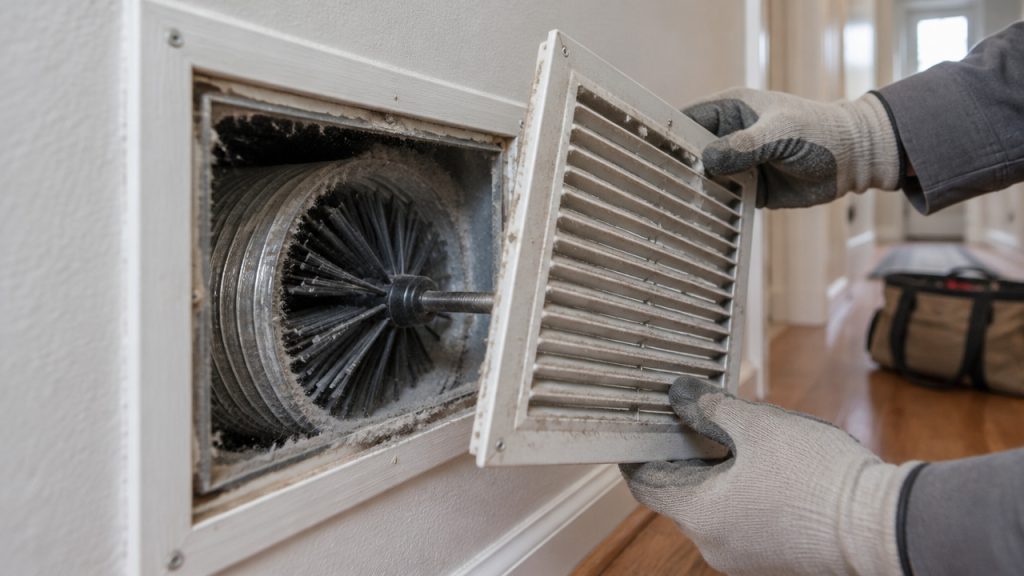
A legitimate duct cleaning is far more than a vacuum hose stuck into a vent register. Professional technicians treat the entire system as interconnected components, and their process reflects that complexity. The service includes inspection, mechanical agitation, debris extraction, and an optional sanitizing treatment that addresses what simple household tools cannot reach.
Homeowners sometimes assume the job takes an hour and involves little more than suction, but reputable providers use cameras, high-volume vacuums and specialized brushes designed specifically for ductwork. That equipment, combined with the training to use it without damaging the system, is what separates a worthwhile investment from a wasted afternoon.
To see what professional cleaners can uncover inside your ducts often surprises customers who assumed their systems were reasonably clean. Layers of construction dust, pet dander, and even pest debris routinely show up in inspections even when the vent covers themselves look fine from the living room.
- Inspection: Technicians use video equipment to assess contamination levels and identify problem areas inside the ducts and HVAC components before any work begins.
- Mechanical Cleaning: High-powered vacuums paired with rotating brushes dislodge and capture debris from the ducts, registers, grilles, fans and motors throughout the system.
- Sanitizing Treatment: An antimicrobial solution may be applied to inhibit mold and bacteria growth, particularly when contamination or moisture issues were present.
- Final Verification: A post-cleaning inspection confirms the work was effective and that airflow paths remain intact and unobstructed.
When Cleaning Pays Off: Situations That Justify the Cost
The decision makes itself easier when you know what to look for. Cleaning earns its price tag when a clear trigger exists or when household circumstances have changed. A routine clean with no symptoms is a luxury; a targeted clean after a known contaminant event is a practical investment in your home’s environment.
For Central Texas homeowners, the dust and allergens are part of daily life. Dry summers, oak pollen seasons and construction activity all contribute to what ends up inside your ductwork. Recognizing the warning signs early before a minor issue becomes a major one helps determine whether it is time to schedule service.
Homeowners should watch for specific signs that your ducts need cleaning. These indicators suggest the system has accumulated enough contamination that routine filter changes alone cannot manage the load.
- Recent renovations or construction projects that created fine dust now circulating through the home.
- Visible mold growth on or near vent registers, supply grilles or inside accessible duct sections.
- A newly purchased home with no documented cleaning history, especially one over ten years old.
- Family members with allergies, asthma or respiratory sensitivities reporting worsened symptoms indoors.
- A new baby in the home, where parents want to minimize irritants in nursery air during those critical early months.
What You Can Realistically Expect: Health and Air Quality Benefits
Clean ducts contribute to better indoor air quality by reducing the total load of dust and allergens circulating through the home. For households with allergy sufferers, that reduction often translates to real relief, even if it does not eliminate symptoms entirely. The HVAC system is the lungs of the house, and what flows through it eventually settles in living spaces.
What cleaning cannot do is serve as a medical intervention. It supports a healthier environment, but the results depend on the rest of the home as well. Pet dander on furniture, dust on blinds, and open windows during pollen season all contribute to exposure regardless of how clean the ducts are.
Learning about the potential health benefits of cleaning your air ducts gives homeowners realistic expectations. The strongest benefits appear in homes with contamination triggers, not in homes that were already reasonably clean. A noticeable difference in dust accumulation on surfaces is one of the most commonly reported outcomes, particularly after years of buildup was removed.
Beyond air quality, the system itself runs cleaner. Heavy dust loads on blowers and coils can impede performance and increase wear. A clean system may not save dramatic percentages on energy bills, but it does operate under less stress, which can extend component life over the years.
DIY vs. Professional Duct Cleaning: Where Your Money Goes Furthest
Homeowners often wonder whether they can handle duct cleaning themselves. The honest answer is that DIY efforts reach surface-level dust at registers and returns, while professional equipment reaches deep into trunk lines and components that household tools cannot touch. Both approaches have a place, but they serve different purposes.
Understanding DIY vs professional duct cleaning means looking at what each can realistically accomplish. A homeowner vacuuming a vent cover removes visible dust and improves airflow at that register. A professional cleaning the full system removes accumulated debris from deep ductwork, the blower assembly, and the evaporator coil places where dust and mold can hide undetected.
Risk factors matter as well. Flexible ductwork damages easily. Older duct connections may have deteriorated seals that aggressive handling worsens. A homeowner without experience can inadvertently create leaks or dislodge connections, which then lead to higher energy costs and comfort problems. Professional technicians understand how to work around these vulnerabilities.
Certification signals a commitment to standards. The National Air Duct Cleaners Association, or NADCA, sets guidelines for how the work should be performed and what equipment is appropriate. A provider with NADCA certification has demonstrated adherence to those protocols, which gives homeowners some assurance the job will be done thoroughly.
| Aspect | DIY Cleaning | Professional Service |
|---|---|---|
| Reach | Vent covers and shallow returns | Full ductwork, trunk lines, coils and blowers |
| Equipment | Household vacuum, brushes | High-powered vacuums, video inspection, agitation tools |
| Risk | Potential damage to flexible ducts or seals | Trained handling with liability coverage |
| Results | Surface-level dust removal at registers | Comprehensive debris extraction and sanitizing options |
Frequently Asked Questions About Duct Cleaning
Is duct cleaning worth it if nobody in my home has allergies?
Yes, but only with a clear trigger. Homes without allergy sufferers still benefit when there has been construction, visible mold, pest activity, or years of accumulated dust with no prior cleaning. The absence of symptoms does not mean the system is clean; it just means the contamination level has not yet reached a noticeable threshold.
Should I clean my ducts after a renovation or move into a new house?
Yes, in most cases. Construction dust is invasive, and much of it ends up inside ductwork where it continues circulating long after the work crews leave. A new home with no service history, particularly one over a decade old, often contains years of accumulated debris from previous owners that standard filter changes will not remove.
Can dirty ducts affect a baby’s room or nursery air?
Yes, they can. Infants breathe more rapidly than adults and their respiratory systems are still developing, making them more sensitive to airborne dust and irritants. Cleaning ducts before bringing a newborn home reduces one source of exposure, though it should be done well in advance so the nursery has time to air out.
How do I spot a trustworthy duct cleaner and avoid corner-cutting?
Look for NADCA certification and transparent quotes. Reputable providers describe their process clearly, perform an inspection first, and price based on the system size and condition. Beware of extremely low advertised prices that often lead to upsells or incomplete work, and ask whether the quote covers the entire system including blower and coil.
Does duct cleaning help if I find mold near my vents?
Yes, and it should be addressed promptly. Visible mold near vents suggests a moisture problem somewhere in the system that requires both cleaning and source correction. Cleaning removes the growth, but the underlying moisture issue must also be resolved or the mold will return. A professional inspection can identify where the moisture originates.
Will cleaning my ducts make my home less dusty right away?
For most homes, yes. A significant portion of household dust originates from the HVAC system when ducts are heavily contaminated. Removing that source means less dust settling on surfaces over time. The difference is most noticeable in homes where dust returned within days of cleaning; after duct cleaning, surfaces tend to stay cleaner longer between routine dusting.
For homeowners in Austin and the surrounding Central Texas area, Noble Air provides thorough air duct cleaning services backed by local expertise. Knowing when to schedule and when to wait ensures the investment delivers real value for your home and family. how expert duct cleaning improves your home’s air quality becomes clear when the triggers align with the service, and the right provider handles the job properly.