
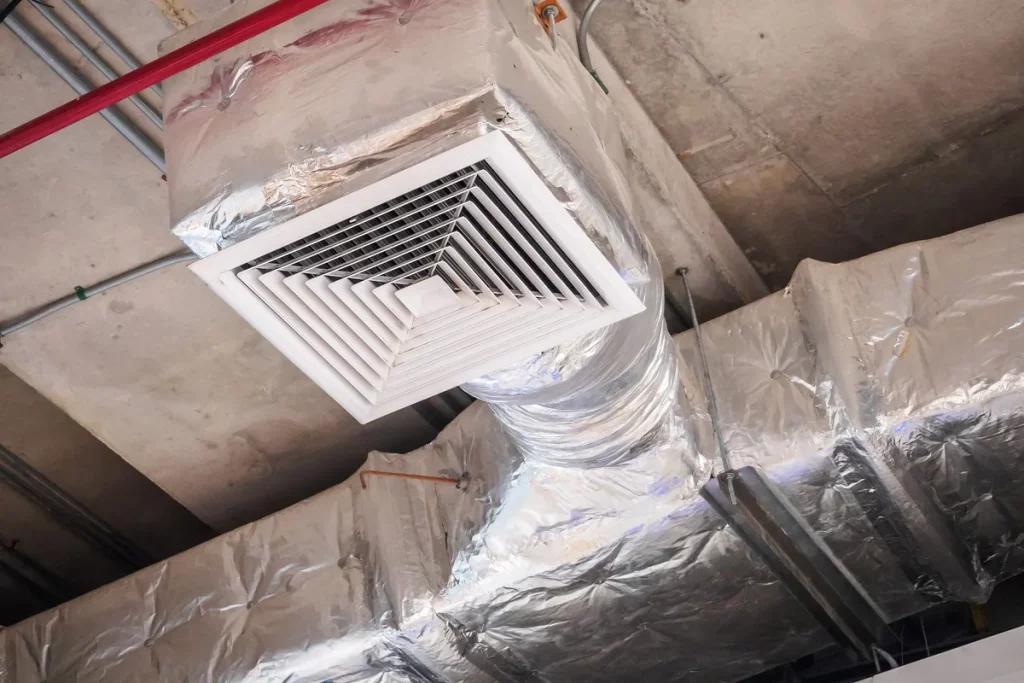
Most Round Rock homeowners never think twice about their air conditioning system until something goes wrong, but by the time you notice a musty smell or start sneezing every time the system kicks on, mold in AC units and ductwork may have already been spreading for months. Texas summers are brutal, and that means your AC runs almost constantly from April through October. All that moisture, all that humidity cycling through your system, creates exactly the kind of environment where fungal growth thrives. The good news? It’s completely fixable, if you catch it and act on it.
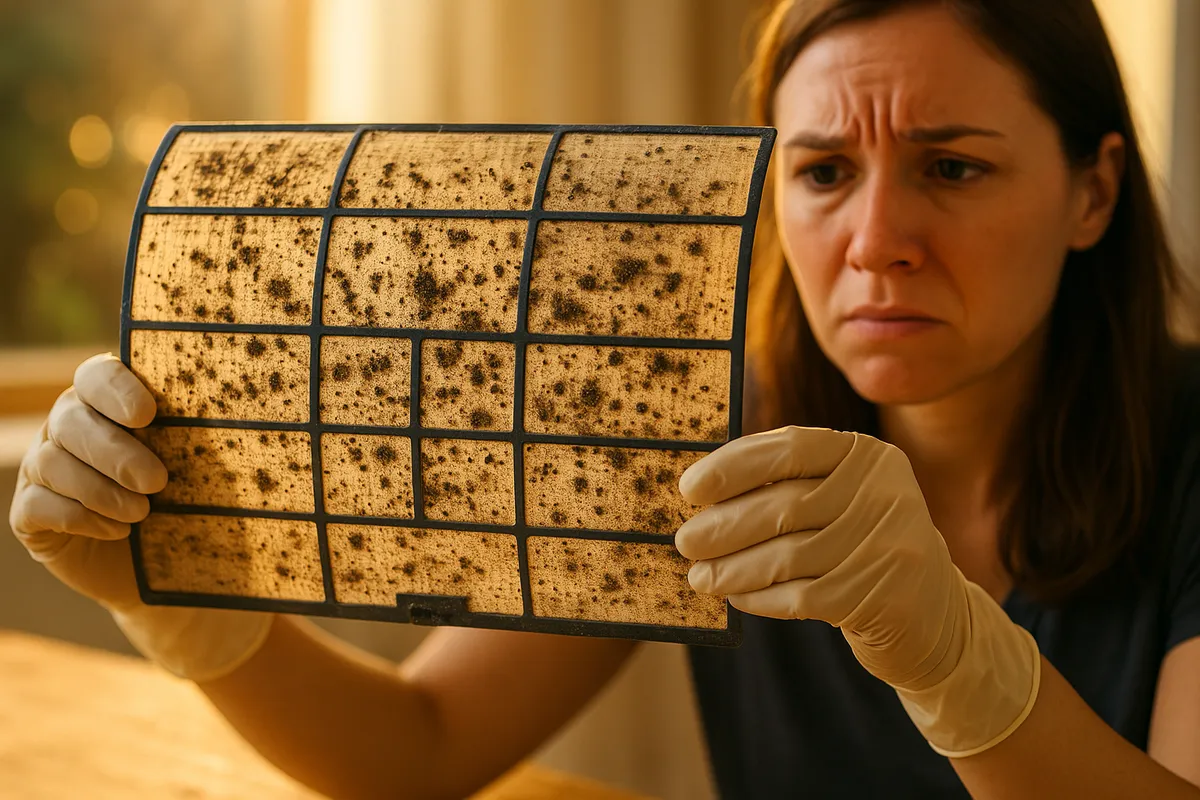
Why Your AC System Is Basically a Mold Welcome Mat
Here’s something most people don’t realize: your air conditioning system doesn’t just cool air, it pulls moisture out of it. That process creates condensation, and condensation inside a dark, enclosed metal duct system is practically an open invitation for fungal growth. The evaporator coil, the drip pan, the air handler, all of these components stay damp during normal operation.
Round Rock sits in Central Texas, where summer humidity regularly climbs above 70 percent. When that humid air gets pulled into your return vents and passes over a cold evaporator coil, the conditions are ideal for spores to take hold. Add in any dust buildup, which every duct system accumulates over time, and you’ve got both moisture and an organic food source. That’s a combination that mold absolutely loves.
What makes this especially frustrating is that the problem is largely invisible. The growth happens inside the system, behind walls, above ceilings, in places you’d never think to look. By the time you notice visible discoloration around a vent cover or that telltale musty odor when the system runs, the contamination has typically spread well beyond that one spot.
The Symptoms You’re Probably Ignoring Right Now
There’s a pattern that comes up again and again with homeowners who’ve dealt with this problem. They spent weeks, sometimes months, assuming their allergy symptoms were seasonal. Their kids were coughing. Someone in the house had persistent headaches. The air just felt offeven after cleaning the house top to bottom.
Sound familiar? These are classic signs that something is wrong inside your HVAC system, not just in the air outside. Spores that get pulled into the ductwork get redistributed to every room in your home every time the system runs. You’re essentially breathing recycled, contaminated air on a loop.
Some of the most common warning signs include:
- A musty or earthy smell that appears only when the AC is running
- Visible dark spots or discoloration around vent covers or registers
- Worsening allergy or asthma symptoms indoors, especially in certain rooms
- Excess humidity or condensation on windows and walls
- A system that seems to run constantly without effectively cooling the space
If two or more of those apply to your home, it’s time to stop guessing and get a professional inspection. You can also read through these 5 warning signs you need air duct sanitizingthey’re worth reviewing before you call anyone.

What Actually Fixes the Problem (and What Doesn’t)
Here’s where a lot of homeowners go wrong. They buy a spray bottle of mold killer from the hardware store, spray it into a vent, and assume the problem is handled. It isn’t. Surface treatments applied without proper cleaning don’t reach the contamination deeper in the system. Worse, some products leave residues that can be harmful when aerosolized through your ductwork.
Real remediation involves a few key steps. First, a thorough inspection to identify where the growth is concentrated, the evaporator coil, the plenum, the duct lining, or all of the above. Second, professional-grade cleaning that physically removes contamination rather than just masking it. Third, sanitizing treatments applied correctly after the system is clean. And finally, addressing whatever caused the moisture problem in the first place, whether that’s a clogged drain line, a failing coil, or inadequate ventilation.
For a deeper look at how this process works and what it typically involves, this breakdown of how mold develops in air ducts and what to do about it is genuinely useful reading.
The team at Noble Air serves Round Rock and the surrounding area with exactly this kind of comprehensive approach, not just a surface clean, but a full assessment of the system to make sure the source of the problem gets addressed, not just the symptoms.
Keeping It From Coming Back
Getting your system cleaned and treated is only half the battle. Round Rock’s climate means the conditions that caused the problem in the first place don’t go away, they come back every spring and summer. Ongoing prevention matters just as much as the initial fix.
A few practical steps that make a real difference:
- Change your air filter on schedule. A clogged filter restricts airflow, which causes more condensation to build up on the coil. Most homes in Central Texas should be changing filters every 30 to 60 days during peak season.
- Keep your drain line clear. The condensate drain is what removes moisture from your system. When it clogs, and it does clog, especially in humid climates, water backs up and creates a breeding ground for growth.
- Control indoor humidity. A whole-home dehumidifier or even portable units in problem areas can keep relative humidity below 50 percent, which is where fungal growth becomes much less likely.
- Schedule annual duct inspections. Catching early-stage buildup before it spreads is dramatically cheaper and easier than dealing with a full-blown contamination problem.
Homeowners who’ve gone through the remediation process and stuck with a maintenance routine consistently report that their homes feel cleaner, their systems run more efficiently, and their family’s respiratory symptoms improve noticeably. That kind of outcome isn’t luck, it’s what happens when the root cause actually gets addressed.
If you’re in Round Rock and you’ve been putting off getting your system looked at, the time to act is before summer hits full stride. Once temperatures are consistently in the 90s and your AC is running around the clock, you want to know your system is clean. Noble Air’s Round Rock air duct cleaning service is a straightforward starting point if you’re not sure where to begin.
Frequently Asked Questions
How long does mold typically spread inside an AC system before a Round Rock homeowner notices it?
According to what technicians see regularly, fungal growth can spread for months before you notice a musty smell or visible discoloration around a vent cover. By the time those signs show up, the contamination has usually moved well beyond that one spot, into the ductwork, the plenum, or the evaporator coil area. That’s exactly why waiting until something looks or smells wrong is a risky approach in a climate like Round Rock’s.
Why does Round Rock’s humidity make AC systems so much more vulnerable to fungal growth than drier climates?
Summer humidity in Round Rock regularly climbs above 70 percent, and all of that moisture-laden air gets pulled through your return vents and over a cold evaporator coil every time the system runs. That process creates condensation inside a dark, enclosed metal duct system, and when dust buildup is already present, you’ve got both moisture and an organic food source sitting together. That combination is what makes Central Texas homes particularly prone to this problem compared to drier parts of the country.
Is spraying a store-bought mold killer into the vents enough to actually fix the problem?
No, surface treatments applied without proper cleaning don’t reach contamination deeper in the system, so you’re really just treating what’s visible at the opening. Worse, some of those products leave residues that can be harmful once they’re aerosolized and pushed through your ductwork into every room. Real remediation means physically removing the contamination first, then applying sanitizing treatments to a clean system, and then finding and fixing whatever moisture issue caused the growth in the first place.
My kids have been coughing and I’ve had headaches for weeks, could my AC system actually be the cause?
It’s a pattern that comes up repeatedly: families spend weeks assuming symptoms are seasonal allergies, while the actual source is spores being redistributed through the ductwork every time the system runs. If the symptoms are worse indoors than outside, or worse in certain rooms, that’s a meaningful clue that the air being circulated through your home is the problem. Getting a professional inspection of the system is a more direct answer than continuing to treat the symptoms without knowing the source.
How often should Round Rock homeowners be changing air filters and checking the condensate drain to prevent regrowth?
During peak season in Central Texas, most homes should be swapping filters every 30 to 60 days, a clogged filter restricts airflow, which causes more condensation to build up on the coil and creates conditions for regrowth. The condensate drain line should also be kept clear, because when it clogs in a humid climate, water backs up and creates a direct breeding ground right inside the system. Pairing those habits with annual duct inspections is what consistently keeps early-stage buildup from turning into a full contamination problem.
Get Directions to Noble Air Duct Cleaning & Chimney Sweep
🎧 Listen to this as a podcast
Also on Apple Podcasts, Spotify, and Amazon Music.