
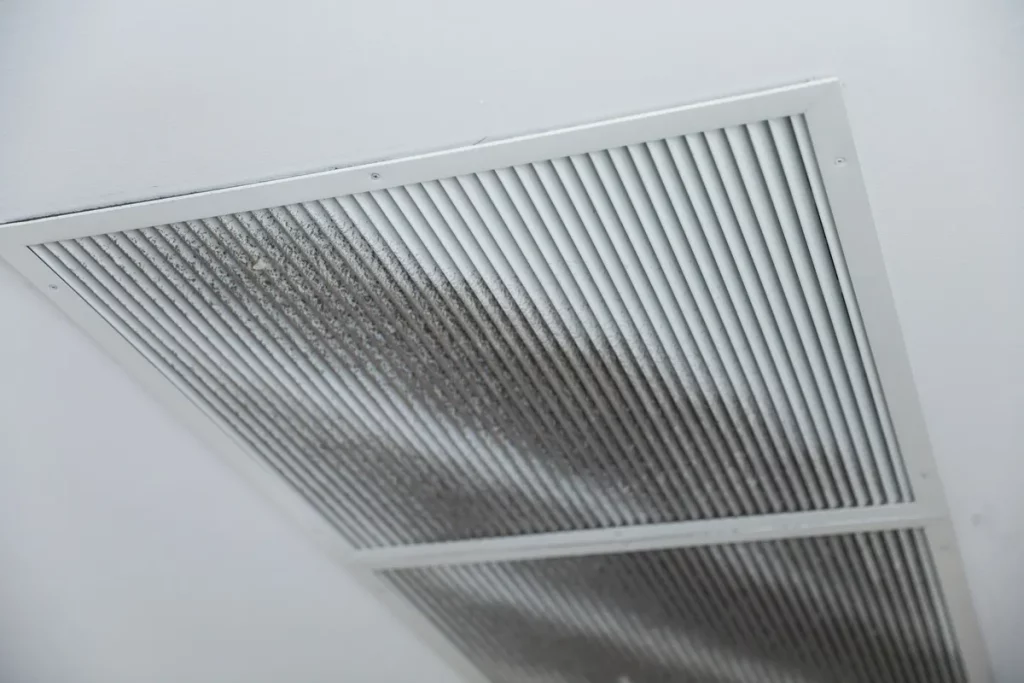
Most people schedule air duct cleaning in Round Rock, TX after they notice something, a musty smell, a spike in their energy bill, or allergy symptoms that won’t quit. By that point, the problem has usually been building for months. The truth is, the ductwork running through your walls and ceiling is one of the most neglected systems in any home, and what’s hiding inside it would surprise most people.
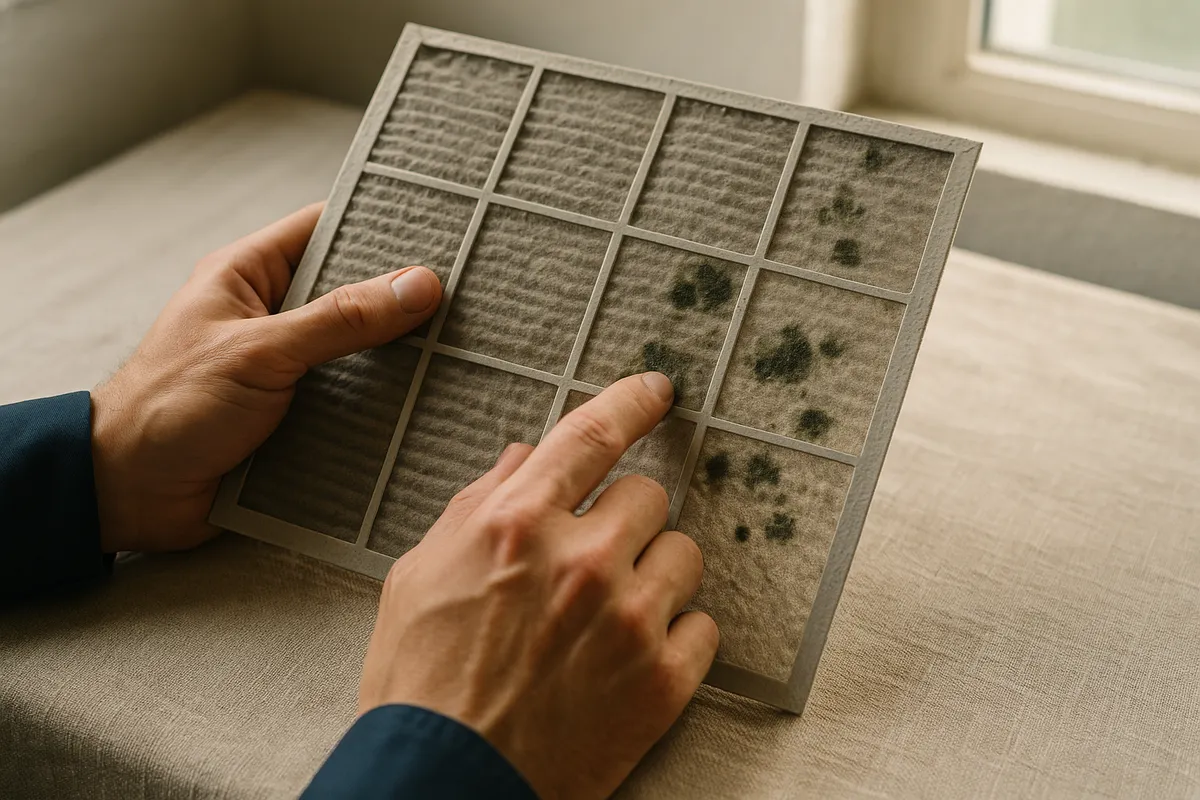
Your Ducts Are a Time Capsule, and Not the Good Kind
Every time your HVAC system cycles on, it pulls air from inside your home, conditions it, and pushes it back out through the duct system. Along the way, that air carries dust, pet dander, pollen, skin cells, and, in Central Texas, a generous amount of humidity. Over time, all of that settles inside the ductwork. Insulation fibers break down. Dust accumulates in layers. And in a climate like Round Rock’s, where summer humidity can be relentless, moisture gets into places it shouldn’t.
That moisture is where things get serious. When warm, humid air meets the cooler interior surface of a supply duct, condensation forms. Add a layer of organic debris, dust, dead skin, pollen, and you’ve created exactly the conditions mold needs to take hold. This isn’t a rare edge case. Mold in HVAC systems is one of the most common issues technicians find in Central Texas homes, and it often goes completely undetected because nobody’s looking.
If you’ve noticed a musty odor that seems to come from the vents when the AC kicks on, that’s a signal worth taking seriously. It’s one of the clearest warning signs that your air ducts may need sanitizingnot just a standard cleaning.
The Plenum Problem Nobody Talks About
Most homeowners have never heard the word “plenum.” It refers to the large chamber, usually located right above or below your air handler, where conditioned air collects before being distributed through the duct branches. Because it sits closest to the air handler, it’s also the most exposed to moisture from the coil and the most likely place for mold growth to start.
HVAC mold removal from a plenum is a different job than cleaning a standard duct run. It requires proper containment, the right antimicrobial treatments, and someone who actually knows what they’re looking at. A technician who just runs a brush through the main trunk lines and calls it done isn’t going to catch mold that’s colonized the plenum walls or the insulation lining inside it.
This is where experience matters. Noble Air has been serving the Round Rock area long enough to know that plenum mold is almost always more extensive than it first appears. Customers who’ve had the work done consistently describe the difference in air quality afterward as dramatic, not just cleaner-smelling, but genuinely easier to breathe, especially for anyone in the household dealing with allergies or asthma.
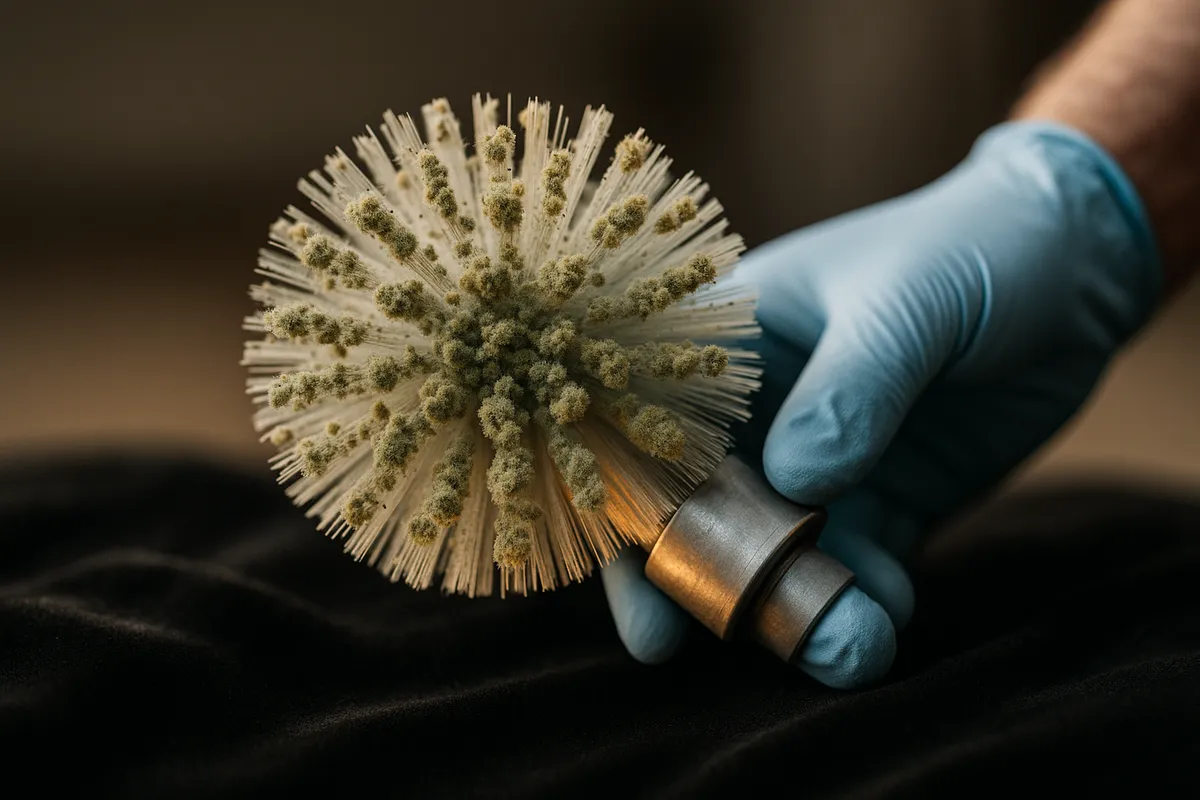
Why “I’ll Just Change the Filter” Isn’t Enough
Changing your air filter regularly is good practice. It’s not a substitute for cleaning the duct system itself. The filter catches what it can, but it doesn’t address what’s already coating the interior walls of your ducts, sitting in the return air box, or growing in a damp corner of the plenum.
There’s also a real energy efficiency angle here that most people overlook. When ductwork is coated with debris, airflow is restricted. Your system has to work harder to move the same amount of conditioned air, which means longer run times and higher utility bills. Duct cleaning can have a measurable impact on energy costsparticularly in older homes where buildup has had years to accumulate.
Beyond energy, there’s the straightforward matter of what you’re breathing. Every time the system runs, it’s distributing whatever is inside those ducts throughout your living space. Dust, mold spores, bacteria, all of it gets recirculated. For households with young children, elderly residents, or anyone with respiratory sensitivities, that’s not a minor concern.
What the Job Should Actually Look Like
A professional duct cleaning isn’t a 45-minute job, and it shouldn’t cost $49. That price point is almost always a bait-and-switch, the technician arrives, finds “problems,” and the bill balloons. A legitimate cleaning involves negative pressure equipment that pulls debris out rather than just dislodging it, inspection of the plenum and air handler area, and a clear conversation about what was found.
If mold is present, the job expands. HVAC mold removal requires treatment with EPA-registered antimicrobial agents applied to affected surfaces after the physical cleaning is complete. In some cases, sections of ductwork with heavy mold contamination or deteriorated insulation need to be replaced entirely, not just cleaned.
Before scheduling any service, it’s worth understanding what the process involves and what fair pricing looks like. Knowing how much duct cleaning should cost going in protects you from being upsold on services you don’t need, or underpaying for work that won’t actually solve the problem.
Round Rock homeowners deal with a specific combination of heat, humidity, and fast-growing subdivisions where homes were built quickly and ductwork wasn’t always installed with long-term air quality in mind. Getting ahead of the problem, rather than waiting for the smell or the symptoms, is almost always the smarter and cheaper path.
Frequently Asked Questions
What is a plenum, and why does it matter more than the rest of my ductwork?
The plenum is the large chamber directly above or below your air handler where conditioned air collects before it gets pushed through the rest of the duct branches, and because it sits closest to the coil, it’s the most exposed to moisture and the most likely place for mold to start growing. Cleaning it isn’t the same as running a brush through a standard duct run; it requires containment, EPA-registered antimicrobial treatment, and someone who actually knows what mold in a plenum looks like. In Central Texas homes, plenum mold is almost always more extensive than it first appears, which is why experience with that specific part of the system matters.
If I keep up with changing my filter, do I still need to have my ducts cleaned?
A filter catches what passes through it going forward, but it does nothing about the debris already coating the interior walls of your ducts, sitting in the return air box, or growing in a damp corner of the plenum, that buildup stays put no matter how often you swap the filter. On top of the air quality issue, debris-coated ductwork restricts airflow and forces your system to run longer to move the same amount of conditioned air, which shows up directly on your utility bill. In older homes where buildup has had years to accumulate, the energy impact can be measurable.
How do I know if the musty smell coming from my vents is actually mold and not just dust?
If the odor is strongest right when the AC kicks on and fades after the system has been running a few minutes, that’s a strong signal, dust smells stale, but mold has a distinct musty quality that gets pushed out with the first burst of air from the vents. The article points to Central Texas humidity as a key factor: when warm, humid air hits the cooler interior surface of a supply duct, condensation forms, and combined with organic debris like dust and pollen, that’s exactly the environment mold needs. A proper inspection of the plenum and air handler area, not just a look at the vents, is the only way to know for certain what you’re dealing with.
What should I expect a legitimate cleaning job to actually involve?
A real cleaning uses negative pressure equipment that pulls debris out of the system rather than just dislodging it and sending it back into your home, and it includes an inspection of the plenum and air handler area, not just the main trunk lines. If mold is found, the job expands to include treatment with EPA-registered antimicrobial agents applied after the physical cleaning is done, and in cases of heavy contamination or deteriorated insulation, sections of ductwork may need to be replaced entirely. The article is direct about this: a legitimate job is not a 45-minute visit, and it doesn’t cost $49.
Why are Round Rock homes specifically at higher risk for duct problems compared to homes in drier parts of Texas?
Round Rock sits in Central Texas where summer humidity is relentless, and that moisture is what turns ordinary dust buildup into a mold problem, warm humid air meeting the cooler interior surface of a supply duct creates condensation, and once you add organic debris to that, mold has everything it needs. The article also points out that many Round Rock subdivisions were built quickly, and ductwork in fast-built homes wasn’t always installed with long-term air quality in mind. That combination, high humidity and construction that cut corners, means problems tend to develop faster and go undetected longer than homeowners expect.
Get Directions to Noble Air Duct Cleaning & Chimney Sweep
🎧 Listen to this as a podcast
Also on Apple Podcasts, Spotify, and Amazon Music.