
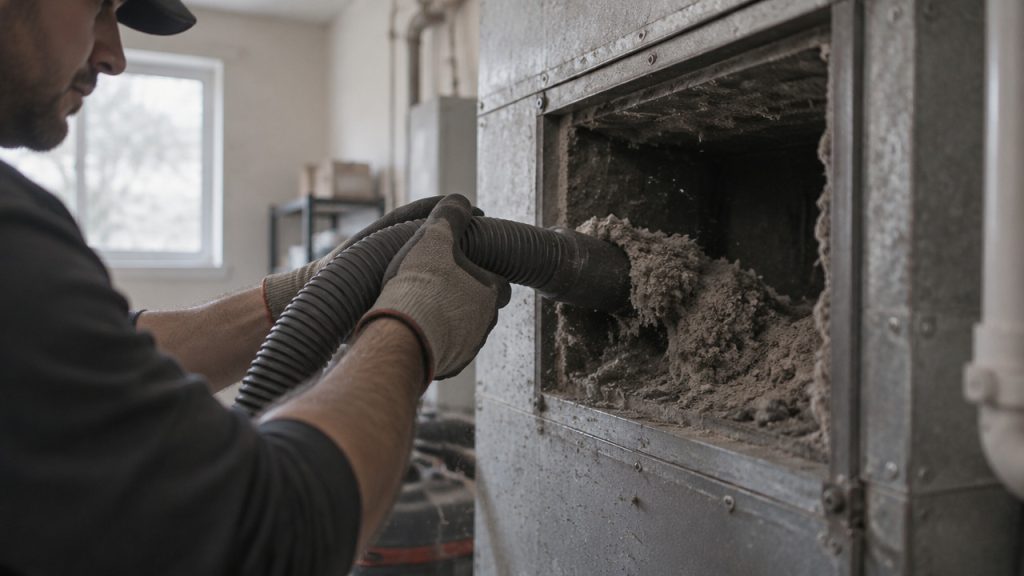
Sometimes yes, sometimes no, and anyone who says “always” is selling something. Professional duct cleaning is worth it when your ducts hold visible mold, heavy dust, pests, or leftover construction debris, or when allergies and a new baby make every breath count. It is a poor investment in a spotless, newer system. Here is the honest Austin breakdown of costs, benefits, red flags, and how to hire well, without the sales spin or the dust bunnies.
Quick Answer: Worth It for Some Austin Homes, a Waste for Others
Professional duct cleaning is worth it if you have visible mold growth, pest infestation, heavy construction debris, or household members with severe allergies, but it is a waste of money for newer homes with no symptoms or documented contamination.
The EPA makes it pretty clear that duct cleaning is not a routine maintenance task like changing your oil. Instead, it is a problem-specific solution. According to their official stance, air duct cleaning has not been proven to prevent health problems, and you should only consider it when you have specific, verifiable contamination issues [Analysis]. For a deeper dive into when cleaning makes sense, check out this comprehensive guide to air duct cleaning.
Here are the four scenarios where spending the money actually makes sense:
- Visible mold growth inside ducts or on HVAC components, confirmed by a professional inspection.
- Pest infestation evidence like droppings, nests, or dead insects inside the ductwork.
- Heavy dust and debris flowing out of supply registers or caked inside return ducts.
- Recent renovation that left drywall dust, sawdust, or construction particulates deep in the system.
The 2026 Cost-Benefit Math: What a Cleaning Buys vs. What Dust Costs You
A typical professional air duct cleaning in Central Texas runs between $300 and $700 depending on home size and system complexity. That is not chump change, so let’s look at the math without the marketing fluff. The advantages of proper duct cleaning only pay off if you are solving a real problem rather than a theoretical one.
Clogged coils and blocked airflow can reduce your HVAC efficiency significantly. When your system struggles to push air through a quarter-inch of dust cake, the blower motor works harder and your energy bills creep up. Over time, that strain shortens equipment life. A clean system runs cooler and lasts longer, but only if it was genuinely dirty to begin with.
Here is the honest cost-benefit breakdown for Austin homeowners in 2026:
| Home Scenario | Cleaning Cost | Expected Benefit | Payback Condition |
|---|---|---|---|
| Older home (15+ years) | $450 – $650 | Improved airflow, efficiency | Worth it if never cleaned before |
| Post-construction | $500 – $800 | Debris removal, coil protection | Essential for new builds or remodels |
| Allergy household | $350 – $550 | Reduced particulates, peace of mind | Worth it if symptoms improve |
| Newer home (under 5 years) | $300 – $500 | Minimal, mostly inspection value | Skip unless contamination is visible |
| Visible mold present | $600 – $1,200+ | Health protection, system safety | Do it immediately, no questions asked |
Notice that payback is not measured in dollars alone. Sometimes the return is breathing easier in your own home. Sometimes it is protecting a $5,000 condenser coil from getting sandblasted by construction dust.
Cedar Fever, New Construction Dust, and Newborns: The Austin Homes That Should Say Yes
Austin has its own special brand of air quality challenges. Between the cedar pollen that triggers “cedar fever” every winter, the oak pollen coating everything in yellow each spring, and the constant construction kicking up particulates, our ductwork takes a beating. For some households, the potential health benefits of cleaning your home’s air ducts make the service a smart investment.
Indoor air can be two to five times more polluted than outdoor air, according to the EPA, and in some cases even 100 times more polluted. Your ductwork circulates this air five to seven times per day.
That circulation matters most for vulnerable groups. Babies breathe more air per pound of body weight than adults, and their developing lungs are more sensitive to particulates. Same goes for anyone with asthma or chronic respiratory conditions.
These five household profiles should strongly consider professional cleaning:
- Homeowners with newborns or infants under one year old who want cleaner air for developing lungs.
- Allergy and asthma sufferers whose symptoms flare indoors or worsen when the HVAC runs.
- Residents over 65 or those with compromised immune systems who need cleaner indoor air.
- Homes with pets shedding dander and fur that lands in return registers and circulates through the system.
- Post-renovation or recently purchased homes where prior maintenance history is unknown.
Cleaning does not cure allergies. Let’s be clear about that. But removing the reservoir of dust, pollen, and pet dander in your ducts can reduce the total load your body fights every day. Think of it as giving your immune system a break, not a miracle.
When to Keep Your Money: Honest Scenarios Where Duct Cleaning Is Overkill
Nobody wants to hear that a service is unnecessary when they are holding a checkbook. But here is the truth: why regular duct cleaning is essential does not mean duct cleaning is essential for everyone. There are valid reasons to skip it.
If your HVAC system is under five years old, has been well-maintained with regular filter changes, and shows no signs of dust problems, you probably do not need cleaning. The dust you see on your vent covers is often surface accumulation from normal household dust settling, not evidence of dirty ducts.
Skip professional cleaning in these cases:
- New construction homes where the ductwork was installed and sealed properly, with documented testing.
- No allergy or respiratory symptoms and no visible dust, odor, or mold issues detected.
- Frequent filter changes and use of high-quality pleated filters that capture debris before it enters ductwork.
- $99 whole-house specials advertised online, which are almost always bait-and-switch schemes to upsell unnecessary services.
That last point deserves extra attention. Those cut-rate specials rarely include proper cleaning. A legitimate truck-mounted vacuum system and trained crew cannot operate profitably for $99. What you get instead is a visual inspection and a hard sell for add-ons you do not need. Real duct cleaning takes time, the right equipment, and honest labor.
Seven Signs Your Ducts Are Quietly Begging for a Cleaning
Your ductwork cannot talk, but it can signal when something is wrong. Learning to read these signs helps you make an informed decision about signs that your ducts need cleaning before wasting money on unnecessary service.
A professional camera inspection can confirm what your senses suspect:
- Visible dust and debris puffing out of supply registers when the system turns on, indicating heavy accumulation in the ductwork.
- Musty or moldy odors coming from vents when the fan runs, suggesting microbial growth inside the system.
- Visible mold growth on vent covers, inside registers, or on HVAC components near the air handler.
- Insect casings or rodent droppings found near vent openings or inside accessible duct sections.
- Clogged air filters that need replacing more often than every two months, signaling heavy particulate loading.
- Dusty coils visible through the access panel of your indoor air handler unit, restricting heat transfer.
- Uneven airflow between rooms, which can indicate blockages or collapsed sections of flexible ductwork.
Each of these signs warrants a professional inspection. A reputable company will use a camera to show you exactly what is inside your ducts before quoting any work. If they cannot or will not show you visual evidence, find someone else.
How to Vet a Duct Cleaner in Five Steps Before Anyone Touches a Vent
Hiring the right company matters as much as deciding to clean. Bad cleaning can actually make your indoor air worse by releasing dust clouds into your living space. professional cleaning to enhance indoor air quality requires proper equipment, trained technicians, and adherence to established standards.
Follow this checklist before booking:
- Verify NADCA membership. The National Air Duct Cleaners Association sets standards for proper cleaning methods. Members commit to cleaning the entire HVAC system, not just the ducts.
- Ask about negative pressure equipment. Legitimate cleaning requires a powerful vacuum collection device mounted on a truck or trailer, creating negative pressure to contain dust.
- Confirm HEPA vacuum filtration. The vacuum should have HEPA filtration to prevent fine particulates from blowing back into your home or neighborhood.
- Request camera inspection before and after. A reputable company will show you the condition of your ducts before cleaning and the results after.
- Get a written quote with no per-vent pricing. Avoid companies that charge per vent or per register, which is a common bait-and-switch tactic. Honest pricing covers the whole system.
Red flag: Any company offering whole-house cleaning for under $200, refusing to show camera evidence, or pressuring you into same-day decisions is not operating in your best interest.
Proper duct cleaning involves more than just vacuuming. Technicians should clean the supply and return ducts, registers, grilles, diffusers, heat exchangers, cooling coils, condensate drain pan, and fan motor housing. Anything less is incomplete.
Key Takeaways: The Worth-It Checklist Before You Book
Making the right call on duct cleaning comes down to spotting real problems, understanding local conditions, and hiring honest professionals. Noble Air approaches every inspection with a family-owned commitment to giving Austin homeowners straight answers, not sales pressure.
Remember these points before you book:
- Duct cleaning is problem-specific, not routine. Only book when you have visible mold, pests, heavy debris, or family health concerns.
- Austin homes face unique challenges. Cedar fever, oak pollen, and constant construction make local ductwork accumulate debris faster than other regions.
- Costs in 2026 range from $300 to $700. Pay more for mold remediation or post-construction cleaning, but skip the $99 specials.
- Vulnerable households benefit most. Newborns, allergy sufferers, asthma patients, and seniors breathe easier with cleaner ductwork.
- Hire NADCA members with camera inspections. Never pay for service without seeing before and after evidence of actual contamination.
For more on maintaining your home’s air quality year-round, read about the comprehensive benefits of regular duct cleaning and how it fits into a whole-home maintenance strategy.
FAQ: Straight Answers on Duct Cleaning Cost, Frequency, and Results
How much does professional duct cleaning cost in Austin?
Expect to pay $350-$700 for a typical single-family home. Costs vary based on system size, contamination level, and accessibility. Post-construction cleaning or mold remediation costs more, while straightforward maintenance cleaning falls on the lower end.
How often should air ducts be cleaned?
Most homes need cleaning every 3-5 years at most. The EPA does not recommend routine annual cleaning. Clean only when specific contamination triggers appear, such as visible mold, pest evidence, or construction debris.
Will duct cleaning reduce my allergy symptoms?
It may help, but it is not a cure. Studies show cleaning reduces indoor particulate levels, which can ease the burden on allergy sufferers. However, results vary based on individual sensitivity and other allergen sources in the home.
Is duct cleaning messy for my home?
Professional cleaning with negative pressure equipment should not release dust. Proper technique contains debris inside the vacuum system. If a company cannot guarantee no mess, they are not using the right equipment or methods.
How long does duct cleaning take?
Plan for 2-4 hours for a complete system cleaning. Time depends on home size, system complexity, and contamination severity. A thorough job using proper agitation tools and camera inspection takes longer than a quick vacuum pass.
Understanding the benefits of regular residential duct cleaning helps you make informed decisions about your home’s air quality and your family’s health.