
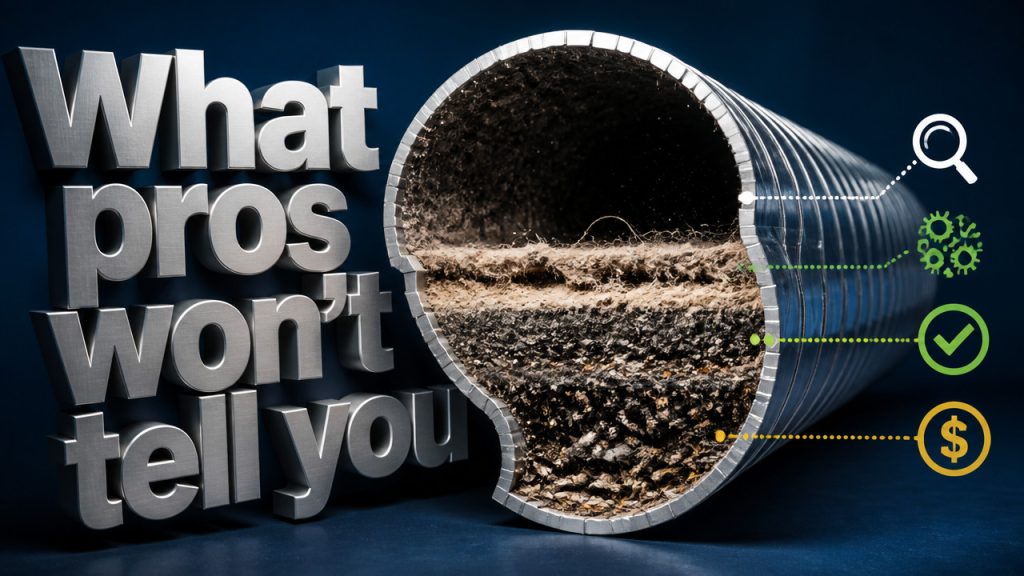
Sometimes yes, and sometimes it’s a very expensive way to feel productive. Professional duct cleaning is worth it when you see visible mold, pest debris, heavy dust blowing from vents, or fresh renovation residue, and when allergies or a newborn raise the stakes. It’s not worth it as a blind annual ritual. Here’s how Austin homeowners can tell the difference in 2026, so your money goes toward cleaner air instead of a sales pitch.
Quick Answer: Worth It When Your Ducts Show Evidence, Not When a Coupon Says So
Professional air duct cleaning is worth the investment when visible contamination, health symptoms, or specific household conditions confirm a genuine need. It is not worth doing as routine maintenance based on a coupon or a generic timeline. You need evidence, not a calendar invite.
The decision should come down to what is actually inside your ducts. According to the EPA, you should consider having your air ducts cleaned if you have visible mold growth, substantial rodent or insect infestation, or ducts clogged with excessive amounts of dust and debris. If you cannot see these issues, you probably do not need the service. For a deeper dive, check out our comprehensive guide to air duct cleaning.
Here are the five scenarios where spending the money makes real sense:
- Visible mold growth inside hard surfaces like sheet metal or on other HVAC components.
- Vermin infestation where you see rodent droppings, insect shells, or nesting materials in the ducts.
- Post-construction dust where drywall dust, sawdust, or debris clouds the air after a renovation.
- Clogged supply registers that visibly puff dust into your living space when the system kicks on.
- Allergy spikes or respiratory issues that correlate with moving into a new home or turning on the HVAC.
Four Households Where Duct Cleaning Pays for Itself Fast
Not every home needs this service tomorrow. But for certain households, the air duct cleaning cost is a small price for major relief. If you fall into one of these categories, duct cleaning for allergies is often less of a luxury and more of a necessity for comfortable living.
1. The Allergy Sufferer’s Sanctuary
For anyone with asthma or hay fever, indoor air quality can dictate the quality of sleep, energy levels, and overall comfort. When you toggle your AC on, you’re circulating the particulates trapped in your ductwork throughout your breathing space. Studies have linked particulate matter exposure to increased asthma symptom loads and allergic responses. If you find yourself reaching for the antihistamines every time the seasons change in Central Texas, your ducts may be a hidden culprit.
2. Homes With New Babies or Infants
New parents are understandably sensitive to every snuffle and sneeze. Babies have smaller airways and developing immune systems, making them a bit more vulnerable to airborne irritants. While duct cleaning is not a magic health shield, removing layers of accumulated dust, pet dander, and construction debris creates a cleaner baseline for that brand-new nursery. Many Austin parents find peace of mind in potential health benefits of clean air ducts when welcoming a newborn home.
3. Recent Renovation or New-Build Homes
Construction is messy. Even with diligent contractors, drywall sanding, sawing, and grinding create fine particulate dust that slips into every crevice, including your return ducts. If you have recently bought a new construction home or completed a remodel especially a “popcorn ceiling removal” your ducts are likely holding a hidden deposit of that construction dust.
4. Suspected Pest or Mold Activity
If you see dust bunnies, you can vacuum them. If you smell something musty or see the remnants of a mouse hotel in your return box, you need professional intervention. Phosphine or other toxic byproducts can circulate if you ignore these contaminations, making this less about “cleanliness” and more about safety.
When Duct Cleaning Is Money Wasted (and Why Mailer Promises Overreach)
Here is the honest truth that disreputable companies will not tell you: cleaning air ducts has not been proven to prevent health problems on its own. The EPA concluded there is no evidence that a light amount of dust in your ducts creates health issues. The dust that settles in your ductwork generally stays there. If you do not have specific contamination, cleaning is essentially a very expensive way to dust your furniture before guests arrive.
Yet, the offers flood mailboxes every spring. Many companies push unnecessary services with scary tactics. If you see these claims, grab your wallet and walk away. A trustworthy provider will explain top signs your air ducts need cleaning rather than inventing them.
Watch out for these red-flag sales pitches:
- “Energy savings guaranteed.” Dirty ducts do impact efficiency in extreme cases, but routine cleaning rarely slashes your bill.
- “Annual cleaning is recommended.” Most homes only need cleaning every 3 to 7 years, or when specific issues arise.
- “We offer an ‘air quality test’ for $50.” Often a loss leader designed to “find” mold that needs expensive remediation.
- “Removes all toxins.” No service removes “all” toxins it reduces load, it does not sterilize your life.
Knowing is duct cleaning necessary for your specific situation prevents you from spending hundreds on services you simply do not need.
Cedar Fever, Construction Dust, and Hard-Water Humidity: Why Central Texas Ducts Work Overtime
Austin homeowners face a unique cocktail of air quality challenges that make duct maintenance more relevant than in other climates. Our “Cedar Fever” season alone deposits a fine layer of pollen that creeps into every porch corner and, inevitably, our HVAC returns. If your home breathes, it breathes cedar.
Beyond pollen, the constant construction boom means new builds and remodels are everywhere. That “new home smell” is often construction dust recirculating. Add to that our blistering attic heat and the humidity from our hard-water lakes, and you have an environment where mold can thrive inside overlooked HVAC components.
In Central Texas, return plenums those large sheet metal boxes that pull air from your home can become humidity traps. When condensation mixes with dust, you have a petri dish for mold growth. This is why many local homeowners pair cleaning with how expert duct cleaning improves home air quality by adding UV light HVAC disinfection orатку upgrades to keep systems cleaner, longer.
The combination of heavy seasonal allergens and moisture makes monitoring your indoor air quality Austin style a year-round job.
DIY Vent Vacuuming vs. Source-Removal Cleaning: The Gap Is Bigger Than the Price Tag
You might be looking at a shop vac and wondering if you can handle this yourself. The short answer: you can clean the grilles, but you cannot clean the ducts. Professional HVAC duct cleaning benefits come from specialized equipment that removes contaminants rather than just stirring them up.
DIY vent vacuuming involves taking off your register covers and reaching as far as your arm or hose allows. This clears visible dust near the opening. Professional source-removal cleaning uses high-powered truck-mount vacuums or large portable collectors creating negative pressure, combined with agitation tools like air whips or brushes that scrub the duct walls. They physically push dust into the vacuum stream. A shop vac simply cannot match that reach or suction.
| Feature | DIY Vent Vacuuming | Professional Source-Removal |
|---|---|---|
| Equipment | Shop vac, brush, damp cloth | Truck-mount vacuum, air whips, HEPA filtration |
| Reach | 2-5 feet past register | Entire length of trunk lines and branches |
| Method | Spot cleaning visible debris | Negative pressure containment and scrubbing |
| Contamination Risk | High (can push dust further in) | Low (suction contains dust) |
| Typical Cost (Austin) | $0 – $50 (time + basic supplies) | $300 – $600 (whole-home service) |
| Results | Cleaner register covers | Removed contaminants from entire system |
If you are handy and want to maintain your home, go ahead and vacuum your registers. It is great maintenance. But for a true deep clean, the DIY vs professional duct cleaning difference is equipment capability. No amount of consumer-grade suction can scrub a 30-foot trunk line.
How to Audit Your Ducts in 15 Minutes Before You Spend a Dime
Before you call anyone, spend fifteen minutes playing detective. This simple audit tells you more than any mailer ad ever could. You need a flashlight, your phone’s camera, and a clean white cloth or paper towel.
Follow these steps to check for dirty air ducts symptoms without paying for an inspection:
- Check the supply registers. Run a gloved finger or white cloth inside the vent. If the cloth comes up gray and fuzzy, you have surface dust. If it comes up black or damp, you may have mold or soot.
- Inspect the return air grilles. These are usually larger and take air in. If they are caked with a dust “bunny blanket,” your filter is likely bypassing or overdue for a change.
- Look inside with a flashlight. Shine a beam into the duct behind the register. Look for cobwebs, debris piles, or insect activity.
- Smell the airflow. Turn on the fan. Does the air smell musty, like a wet dog, or like a dirty sock? That indicates biological growth.
- Review your filter history. If you have to change your 1-inch filter every month because it is solid gray, your ducts are likely full of the same material.
- Take photos. Compare your register wipe to a clean cloth. Use your phone camera to snap a picture looking up into the duct with the flash on.
Call a pro if you see mold, smell musty odors, find vermin droppings, or if dust blows visibly from vents when the system starts. Always confirm these findings before committing to signs that your ducts need cleaning.
Key Takeaways: The Verdict on Duct Cleaning in 2026
Making the right call on duct cleaning protects your wallet and your air. The industry is full of aggressive marketing, but the decision is simple when you stick to the evidence.
- Evidence over routine. Clean for visible mold, pest debris, post-renovation dust, or allergy triggers, not a calendar date.
- DIY has limits. You can maintain registers, but only professional equipment clears deep trunk-line buildup.
- Certain homes benefit more. Allergy sufferers, new parents, and post-reno homes see the fastest return on investment.
- Ignore the hype. Routine cleaning does not prevent illness or guarantee massive energy savings.
- Audit first. A 15-minute look with a flashlight tells you if you need a pro or just a better filter.
If your audit reveals concerns, understanding the advantages of proper duct cleaning helps you choose the right service provider for the job.
FAQ: Straight Answers on Duct Cleaning Cost, Frequency, and Mess
Is professional duct cleaning really worth the money?
Yes, if you have visible contamination or specific health concerns. The average cost ranges from $300 to $600 for a whole-home service. While routine cleaning offers minimal airflow improvement, mold removal or allergen reduction can significantly impact daily comfort.
How often should I have my air ducts cleaned?
Most homes need cleaning every 3 to 7 years. The EPA suggests cleaning only when specific needs arise. Avoid annual contracts unless your home experiences frequent renovations or specific allergy requirements.
Will duct cleaning make a mess in my house?
No, proper equipment contains the dust. Professional technicians use HEPA-filtered vacuums with negative pressure to pull debris directly into containment. While DIY stirring can release dust, pros physically agitate and suction simultaneously.
Can dirty air ducts make my family sick?
Possibly, but only in specific cases. Dust in ducts generally stays put, but mold spores or pest debris can circulate. If family members experience respiratory irritation or allergy symptoms, why regular duct cleaning is essential becomes a health question.
Is duct cleaning safe for newborns?
Yes, especially in older homes or after renovations. Removing dust and particulate buildup reduces potential irritants in the nursery air. It is a step toward cleaner indoor air quality for developing immune systems.
Should I clean my dryer vent at the same time?
Yes, and it is often a safety priority. Clogged dryer vents are a significant fire risk. Many providers offer bundled pricing for air duct cleaning and dryer vent services, making it efficient to address both.