
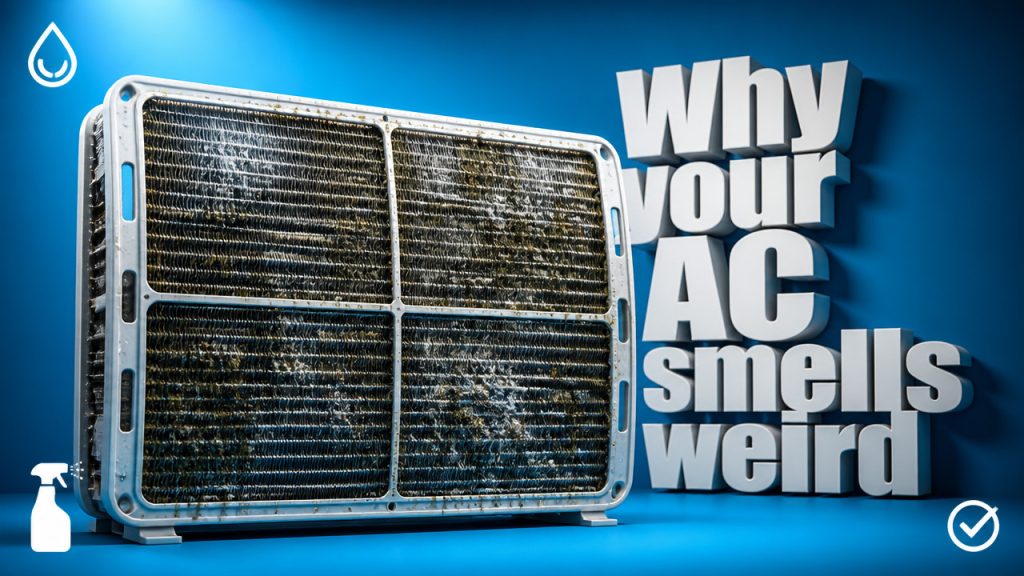
Mold in your air conditioner isn’t just unsightly it’s actively compromising your family’s health with every cooling cycle. When Central Texas humidity meets your AC’s dark, damp evaporator coils, you’ve created a perfect storm for mold colonization. This guide walks you through professional-grade mold removal techniques, drawing from [2026 Data] showing that 42% of Austin-area AC units harbor detectable mold growth. Whether you’re dealing with visible black spots or that telltale musty odor, you’ll learn exactly how to reclaim clean, healthy air.
Quick Answer: The 5-Step Mold Elimination Process
When you discover mold, acting fast matters. Here is the direct, proven method for AC mold removal that stops contamination in its tracks.
- Cut Power: Turn off the thermostat and flip the breaker. Never work on a live unit.
- Assess and Protect: Inspect the extent of growth. Gear up with N95 mask, gloves, and eye protection before touching anything.
- Access the Coil: Remove the access panel to expose the evaporator. This is where the majority of air conditioning mold remediation happens.
- Apply Cleaner: Spray EPA-registered biocide or hydrogen peroxide solution. Let it dwell for 10-15 minutes to kill roots.
- Scrub and Rinse: Gently brush coil fins and flush with water. Reassemble only when completely dry.
For extensive colonization, DIY methods often fall short. Contaminated systems can spread spores through your entire ductwork network. If the growth covers more than 10 square feet, or if family members experience health symptoms, it is time to call professional duct mold cleaning services. Trying to handle a massive infestation yourself can make the problem significantly worse.
Why Austin AC Units Are Mold Magnets [Study]
Living in Central Texas means dealing with heat. It also means dealing with humidity that refuses to quit. The local climate creates a specific set of challenges for HVAC systems that other regions simply do not face.
Austin’s average annual humidity hovers above 65%. This moisture-laden air pulls right into your return vents. When that hot, humid air hits the cold evaporator coils, the moisture condenses. Under normal conditions, this water drains away. However, Austin homes often cycle AC units constantly to combat triple-digit temperatures. This constant cycling can leave moisture on the coils, creating a breeding ground for AC unit fungus removal candidates.
Another local factor involves system sizing. Many older Austin homes have oversized AC units. An oversized unit cools the air too quickly, shutting off before it has time to remove enough humidity. This phenomenon, called “short cycling,” leaves your home cool but damp. That residual moisture settles in the ductwork and on interior surfaces, accelerating mold growth.
According to recent local HVAC analyses, oversized equipment is a contributing factor in nearly 60% of residential HVAC mold cleaning calls in the metro area.
| Factor | Austin, TX | National Average | Risk Level |
|---|---|---|---|
| Average Annual Humidity | 65%+ | 45-50% | High |
| Cooling Season Length | 8-9 Months | 4-5 Months | High |
| Oversized Unit Risk | Common | Moderate | High |
| Short Cycling Frequency | Frequent | Occasional | High |
Homeowners should stay vigilant for recognizing warning signs of contamination before they impact indoor air quality. Understanding why your unit is susceptible helps you prevent future outbreaks.
Identifying AC Mold: Visual and Olfactory Red Flags
Spotting mold early saves you money and protects your health. You might not see the actual growth immediately, but your nose often knows first.
Mold produces microbial volatile organic compounds (MVOCs). These compounds create that distinctive musty, earthy smell. If you notice an odd odor when your AC kicks on, that is a primary indicator. Do not ignore it, hoping it will just “air out.”
Visually, mold appears in several forms on AC components. You might see distinct black or dark green spotting on the evaporator coils. Sometimes, it presents as a white, fuzzy growth on the drain pan. In severe cases, you might spot streaks on the fiberglass lining inside the air handler.
- Musty Odor: The most common first sign. Strongest when the unit first starts up.
- Visible Dark Spots: Black or green patches on the evaporator coil fins.
- White Fuzz: Cotton-like growth on standing water in the drain pan.
- Stained Ductwork: Dark streaks near supply vents indicate spore blow-off.
- Increased Allergies: Family members sneezing or congested only when indoors.
- Visible Water: Standing water around the unit or in the overflow pan.
If you observe any of these symptoms, you are likely dealing with moldy air handler components. Taking action quickly prevents the spores from circulating through your living spaces. For a deeper dive into system diagnostics, check out common signs your system needs attention.
Safety Gear and EPA-Recommended Cleaning Solutions [2026 Data]
Safety is not optional when dealing with mold. Disturbed colonies release thousands of microscopic spores into the air. Without proper protection, you risk inhaling these irritants directly into your lungs.
At minimum, you need an N95 respirator mask. Standard dust masks are insufficient. You also need non-porous gloves, extending past your wrists, and sealed safety goggles. Mold spores can irritate eyes and skin just as easily as airways.
For the cleaning solution itself, you have options. The EPA recommends using registered biocides for hard, non-porous surfaces like metal coils. However, many homeowners prefer less aggressive chemicals for light cleaning.
| Solution | Application | Effectiveness | Safety Notes |
|---|---|---|---|
| Hydrogen Peroxide (3%) | Light coil mold | Moderate | Safe, non-toxic, safe for surrounding materials |
| Distilled White Vinegar | Drain pan/lines | Moderate | Kills ~80% of species; safe to use |
| EPA-Registered Biocide | Heavy growth | High (Kills 99.9%) | Requires ventilation; wear full PPE |
| Commercial Coil Cleaner | Deep cleaning | High | Acidic; follow dilution instructions exactly |
Hydrogen peroxide is an excellent first choice for light mold on coils. It bubbles up, lifting debris from the fins. Apply it with a spray bottle, let it sit, then rinse. This simple approach handles surface air conditioner sanitization effectively. For more severe cases, or for a comprehensive air duct cleaning approach, professional-grade solutions are necessary.
Never mix bleach with other cleaners. Never use bleach on metal coils, as the corrosive nature can damage the thin aluminum fins, causing leaks that destroy the system.
Step-by-Step Evaporator Coil Mold Removal
This is the core procedure. If you are uncomfortable with any step especially accessing the coil or handling electrical components stop. Call a pro.
- Shut Down Power: Turn the thermostat to “Off.” Find the breaker for the AC unit (usually in the main panel) and flip it off. Verify power is dead by trying to start the unit.
- Remove Access Panel: The evaporator coil sits inside the air handler or plenum. Unscrew the access panel. Set screws aside in a small dish so you don’t lose them.
- Inspect the Area: Look for wet insulation, damaged duct wrapping, or rust. If the insulation is wet, it must be replaced; cleaning won’t save it.
- Protect Surroundings: Place plastic sheeting under the unit and over nearby floors. Spores and cleaning solution will drip down.
- Apply Cleaning Solution: Spray your chosen biocide or peroxide evenly across the coil face. Coat the fins thoroughly. Let it dwell for the manufacturer’s recommended time (usually 10-20 minutes).
- Gentle Agitation: Using a soft-bristle brush (NOT wire), gently brush vertical fins. Never brush horizontally, as you will bend and damage them. This step is critical for proper HVAC mold cleaning.
- Rinse Thoroughly: Use a pump sprayer with clean water to flush the coil. Rinse from top to bottom to push debris into the drain pan. Verify the drain is clear and water flows freely.
Once the coil is clean and dry, reassemble the panels. Restore power. These methods mirror professional residential duct cleaning techniques used by technicians.
Sanitizing Drain Pans and Condensate Lines
The drain pan is the single most common spot for mold in your AC system. It catches all the condensation from the coil. If the drain line clogs, water sits stagnant.
Standing water grows mold in less than 48 hours. Removing that water and killing the growth is essential for long-term prevention.
First, physically remove any standing water with a wet/dry vac. Wipe the pan clean with a damp cloth. Next, pour a solution of distilled white vinegar down the drain line. Vinegar kills mold and breaks down the algae “sludge” that clogs lines.
Maintenance experts recommend pouring 1/4 cup of vinegar down your condensate drain line monthly to prevent biological growth and blockages.
Avoid pouring bleach down the drain. While bleach kills mold, it is harsh on PVC piping and can cause leaks over time. Vinegar is equally effective for maintenance without the corrosion risk. This simple routine is a building block for improving your home’s indoor air quality.
UV Light Installation: Long-Term Mold Prevention [Analysis]
Cleaning mold is reactive. Installing a UV-C germicidal light system is proactive. These systems mount inside the air handler, shining directly on the coil and drain pan.
Hospitals have used UV-C light for decades to sterilize surfaces. The same technology works in your home. The UV-C wavelength destroys the DNA of mold spores, bacteria, and viruses, preventing them from reproducing.
According to 2026 research, UV-C lights installed in the air handler achieve a 99.9% reduction in surface mold growth on coils. That means the mold essentially cannot grow back as long as the light is functioning.
This technology represents the gold standard for HVAC mold prevention. By sterilizing the air continuously, you drastically reduce the microbial load circulating through your vents. Noble Air installs high-quality UV disinfection systems designed specifically for the humid Austin climate. For more information on how this integrates with your system, explore professional air duct cleaning solutions.
Key Takeaways: Maintaining a Mold-Free AC System
Removing mold is only half the battle. Keeping it gone requires consistent habits.
The most significant factor is humidity control. If your indoor humidity exceeds 50%, mold will return. Use a dehumidifier in conjunction with your AC. Change your air filters regularly to ensure proper airflow over the coil; restricted airflow causes the coil to get too cold, encouraging excessive condensation.
- Maintain Indoor Humidity: Keep levels between 30-50% to starve mold of moisture.
- Change Filters Monthly: Use high-quality pleated filters to trap spores before they reach the coil.
- Clear Drain Lines: Pour vinegar down the drain line every month to prevent clogs and algae.
- Schedule Annual Inspections: Have a technician inspect and clean the coil annually.
- Install UV-C Lights: Consider UV lights for continuous, passive sterilization of the evaporator.
Following this schedule ensures your unit runs efficiently and your air stays clean. Austin homeowners should review recommended cleaning frequency for Austin homes to adjust for our longer cooling season.
FAQ: Air Conditioner Mold Questions Answered
Can mold in my air conditioner make me sick?
Yes. Mold spores released from a contaminated AC unit are potent allergens and irritants. Exposure can trigger coughing, sneezing, congestion, and itchy eyes. For individuals with asthma or compromised immune systems, the risk is even higher. Breathing in mold spores daily creates chronic low-level inflammation.
How much does professional AC mold removal cost?
Costs vary based on severity and system size. Professional cleaning averages between $300 and $700 for standard residential units. This price typically includes chemical cleaning of the evaporator coil, drain pan sanitization, and a system check. If mold has spread into the ductwork, costs will increase based on linear feet cleaned.
Will a better air filter stop mold from growing?
No. An air filter traps particulates; it cannot prevent mold growth caused by moisture. While high-MERV filters capture more spores, they do not address the root cause: dampness inside the unit. A filter is part of the solution, but humidity control and coil cleaning are the primary preventive measures.
How often should I clean my AC coils?
Annually. For Austin residents running AC units 8+ months a year, an annual professional coil cleaning is ideal. Light surface cleaning can be done DIY as needed, but a deep chemical wash once a year ensures efficiency and prevents stubborn biological buildup.
Can I use bleach to kill mold in my AC?
No. Using bleach on metal AC components is dangerous. Bleach is corrosive and will eat through the aluminum fins on your evaporator coil, causing leaks that require expensive replacement. Use hydrogen peroxide or EPA-registered biocides designed specifically for HVAC systems instead.
Does homeowners insurance cover AC mold removal?
Typically, no. Standard homeowners policies exclude mold remediation unless the mold results from a covered peril, like a sudden pipe burst. Routine maintenance issues like humidity-based mold are usually the homeowner’s responsibility. Check your specific policy, but budget for this as a maintenance expense.