
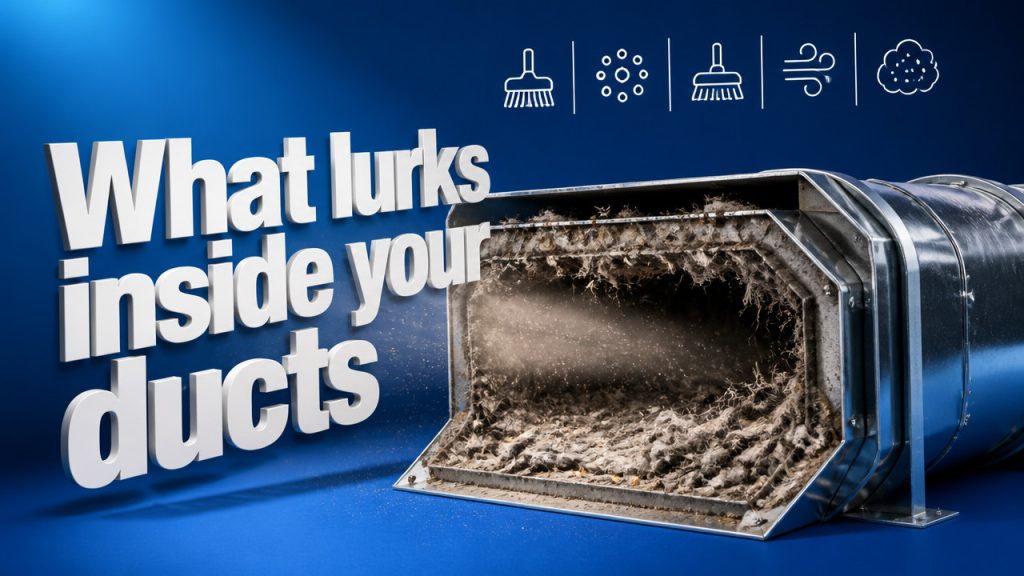
Cleaning HVAC ducts involves a systematic approach using specialized vacuums, rotary brushes, and NADCA-certified techniques to remove accumulated dust, allergens, and contaminants from your home’s air distribution system. In Central Texas, where cedar pollen and construction dust challenge indoor air quality year-round, proper duct cleaning requires professional equipment capable of creating negative pressure while agitating debris something standard household tools simply cannot achieve. This guide reveals the exact process professionals use and when DIY attempts fall dangerously short.
Quick Answer: The Professional HVAC Duct Cleaning Process
Professional HVAC duct cleaning isn’t just running a vacuum hose into a vent. It’s a meticulously engineered process that combines heavy-duty suction with mechanical agitation to dislodge and capture contaminants without releasing them into your living space. The National Air Duct Cleaners Association (NADCA) sets the industry standard, requiring contractors to use source removal methods that physically extract debris rather than simply moving it around.
- System Inspection: Technicians use video inspection cameras to assess contamination levels and identify duct damage before beginning work.
- Containment Setup: All supply and return registers are sealed to create negative pressure, preventing dust from escaping into living areas.
- Agitation & Extraction: Rotary brushes and compressed air whips loosen debris while truck-mounted vacuums simultaneously extract particles.
- Final Verification: Post-cleaning camera inspection confirms all visible contaminants have been removed from the ductwork.
For a detailed breakdown of each phase, Noble Air follows the professional air duct cleaning process established by NADCA certification standards, ensuring every job meets strict quality benchmarks rather than cutting corners with portable equipment.
Why Austin Homeowners Can’t DIY HVAC Duct Cleaning
Here’s where well-intentioned homeowners get into trouble. If you live in Austin and open your register covers to find a layer of gray dust, your first instinct might be to break out the shop vac. The problem? Standard household vacuums lack the suction power to capture fine particulates. Instead, they often redistribute dust back into your air supply, making the problem worse. Professional air duct cleaning requires creating negative pressure throughout the entire ductwork system a feat that demands equipment most homeowners can’t access.
The humid Texas climate adds another wrinkle. When moisture enters your ductwork (whether from a leaky AC coil or high humidity levels), it creates ideal breeding conditions for mold. Disturbing mold colonies without proper containment can release dangerous spores into your home. You might end up with microscopic particles circulating through your bedrooms, nursery, and living areas for weeks.
| Capability | DIY Equipment | Professional Equipment |
|---|---|---|
| Suction Power (CFM) | 150-200 CFM | 10,000-15,000 CFM |
| Containment | None – open system | Full negative pressure containment |
| Agitation Method | Manual brushing only | Rotary brushes + air whips + skipper balls |
| Filtration | Standard shop vac filter | HEPA-grade filtration (99.97% at 0.3 microns) |
| Inspection Capability | Visual only at registers | Full video inspection of entire duct run |
| Debris Disposal | Open container – risk of redistribution | Sealed truck-mounted containment |
Companies that follow effective duct cleaning techniques use negative air machines that create a vacuum effect powerful enough to pull debris from every corner of your ductwork. Attempt this yourself, and you’ll likely dislodge dust that settles deeper into your system, making future cleanings more difficult and expensive.
The 7-Step Professional HVAC Duct Cleaning Method
Professional technicians don’t improvise. They follow a structured methodology refined over decades of industry experience. This step-by-step process ensures comprehensive duct debris removal without cross-contamination.
- Pre-Cleaning Inspection: Removing one register cover per room, technicians feed video inspection cameras into the ductwork. This reveals blockages, mold growth, disconnected ducts, rodent infestations, or construction debris.
- Drop Cloth Protection: Flooring around all access points gets covered with protective materials. Technicians also seal off each register opening with adhesive plastic to prevent any dust escape during suction.
- Creating Negative Pressure: A truck-mounted vacuum gets connected to your main trunk line. This massive machine creates continuous suction throughout the entire system often 10,000+ cubic feet per minute.
- Register-by-Register Agitation: Working from the furthest points inward, technicians unseal each register one at a time. Inside, they use rotating brushes, air whips, or skipper balls to knock debris loose while the vacuum captures everything.
- Main Trunk Cleaning: Access panels get cut into main supply and return trunks. Larger agitation tools scrub the metal surfaces, removing built-up dust, pet dander, and construction debris.
- Component Cleaning: The blower, evaporator coil, drain pan, and grilles get cleaned individually. These components collect significant debris that restricts airflow if left untreated.
- Final Walk-Through & Sanitization: A post-cleaning camera inspection verifies results. If mold was present, an EPA-registered antimicrobial treatment gets applied to prevent regrowth.
This isn’t a thirty-minute job. When deep cleaning your air ducts, a legitimate service takes several hours depending on home size and contamination level.
Specialized Equipment Required for Proper Duct Cleaning
Modern forced air system cleaning demands industrial-grade machinery that far exceeds anything available at hardware stores. Understanding what professionals bring to your home helps separate legitimate services from blow-and-go scams.
- Truck-Mounted Vacuum Systems: These powerful units generate 10,000 to 15,000 CFM of suction, creating true negative pressure that portable units cannot match.
- HEPA-Filtered Negative Air Machines: Captures 99.97% of particles at 0.3 microns, ensuring minimum particulate release during the cleaning process.
- Rotary Brush Systems: Motorized brushes with soft, medium, or stiff bristles spin at 1,000+ RPM to dislodge debris without damaging flexible ductwork.
- Air Whip & Skipper Ball Systems: High-velocity compressed air tools that snake through ductwork, vibrating and scraping walls to loosen stubborn buildup.
- Video Inspection Cameras: Color cameras on flexible push rods (up to 40 feet) document before and after conditions for verification.
- Fogging Applicators: Used to apply antimicrobial treatments or sealants after physical cleaning eliminates microbial growth issues.
Individuals researching the importance of proper duct cleaning quickly realize that equipment matters more than price. A bargain service using inadequate tools might move dust around without actually removing it.
Central Texas Contaminants That Require Professional Removal
Austin homeowners face a particularly challenging mix of airborne contaminants that accumulate in ductwork. The Hill Country’s cedar trees release massive amounts of pollen each winter, triggering cedar fever symptoms for tens of thousands. This doesn’t stay outside. HVAC systems pull pollen-laden air through return vents, depositing allergens throughout your ductwork
Then there’s the construction factor. Austin’s explosive growth since 2020 has meant constant new builds, renovations, and roadwork. Construction dust contains a particularly nasty mix including crystalline silica, drywall particles, and concrete dust. When these fine particulates enter your ductwork, they create a gray, sandy buildup that restricts airflow and circulates irritants every time your system runs.
Finally, there’s mold. Central Texas humidity levels regularly exceed 70% during late summer and early fall. Undersized ductwork, leaky connections, or improper insulation can cause condensation inside your ducts. Combine moisture with organic dust, and mold colonies take hold. Left untreated, mold spores enter your living space, triggering allergic reactions.
To maintain healthy indoor air quality, the American Lung Association recommends controlling the source of pollution and ensuring proper ventilation duct cleaning addresses both by removing accumulated pollutants and ensuring your HVAC system can circulate fresh, filtered air efficiently.
Understanding how duct cleaning improves indoor air quality means recognizing that DIY methods cannot address deeply embedded particles, especially construction debris and mold spores that require aggressive agitation paired with containment suction.
When Your Austin Home Needs HVAC Duct Cleaning [2026 Analysis]
Many homeowners wait until something goes wrong before scheduling service. But knowing the signs of contaminated ductwork helps you address problems before they affect your family’s health.
- Visible Dust or Debris Blowing from Registers: When your heat or AC kicks on, you should see clean airflow, not a puff of gray dust.
- Clogged Air Filters Requiring Frequent Changes: If your filter looks dirty after just weeks, your ductwork may hold excess particulate matter.
- Unexplained Allergy Symptoms at Home: Family members experiencing congestion, sneezing, or coughing indoors but feeling better elsewhere.
- Visible Mold Growth on Registers or Near Duct Openings: Any visible mold suggests a larger contamination inside the ductwork.
- Recent Home Renovation or Construction Project: Drywall dust and construction debris inevitably find their way into ductwork.
- Pest or Rodent Infestation History: Droppings, nesting materials, and insect parts accumulate in ducts.
- Musty Odors When HVAC System Operates: That distinctive stale smell comes from biological growth in your ductwork.
- New Baby or Family Member with Respiratory Conditions: Infants breathe faster than adults, and developing lungs are more susceptible to air quality issues.
Learning to recognize signs your air ducts need cleaning protects your family’s health while preventing more costly remediation down the road.
Post-Cleaning Maintenance to Extend Duct Cleanliness
Professional cleaning isn’t the end of your air quality journey. What you do after service determines how long results last. Think of it like getting your teeth cleaned you need to brush between visits. Your HVAC hygiene depends on ongoing maintenance.
First, upgrade your filtration. Standard fiberglass filters capture about 10% of airborne particles. Hospital-grade pleated filters with MERV ratings of 11-13 trap significantly more dust, pollen, and pet dander. Just ensure your system can handle the increased airflow resistance NADCA recommends consulting a professional before high-MERV filter installation.
Second, keep dust from entering your system. Regular vacuuming (with a HEPA-filter vacuum) and dusting reduces what returns to your ducts. Consider removing shoes at the door to prevent tracking in outdoor contaminants including pollen and pesticides.
Third, consider UV light installation. HVAC UV light disinfection systems mount near your evaporator coil, neutralizing mold spores and bacteria before they can circulate. For families dealing with allergies or respiratory conditions, UV technology provides an extra layer of protection between professional cleanings.
According to NADCA guidelines, homeowners should inspect their air filters monthly during peak heating and cooling seasons, replacing them whenever they appear dirty typically every 60-90 days for standard households, more frequently for homes with pets or allergy sufferers.
Finally, check your attic insulation. Inadequate or deteriorated insulation in your attic and around ductwork allows heat transfer that can cause condensation. Moisture in your ducts leads to mold. Noble Air offers comprehensive impact of air duct cleaning on health consultations including insulation assessments designed for the Central Texas climate.
Key Takeaways
Understanding the difference between professional duct cleaning and DIY attempts helps Austin homeowners make informed decisions about their indoor air quality.
- Professional Equipment Matters: Truck-mounted vacuums creating 10,000+ CFM of negative pressure capture debris that shop vacs simply redistribute.
- DIY Creates Real Risks: Disturbing mold or construction dust without proper containment releases contaminants into living spaces and can worsen air quality.
- Austin’s Environment Demands Attention: Cedar pollen, construction dust, and humidity create a contamination mix specific to Central Texas.
- Warning Signs Are Clear: Visible dust discharge, musty odors, and unexplained allergies all indicate your ductwork needs professional attention.
- Maintenance Extends Results: Quality filters, UV lights, and proper insulation help keep ducts clean longer between professional services.
For homeowners researching finding qualified duct cleaning companies, always verify NADCA certification, request video inspection proof, and insist on truck-mounted equipment rather than portable units.
FAQ: HVAC Duct Cleaning Questions
How much does professional HVAC duct cleaning cost in Austin?
Typical pricing ranges from $450 to $900 for a standard single-family home. Costs vary based on home size, number of HVAC units, contamination level, and additional services like sanitization or UV light installation. Beware of prices significantly below $400 these often indicate inadequate equipment or incomplete service.
How often should Austin homeowners clean their air ducts?
Every 3 to 5 years for most homes. Homes with pets, allergy sufferers, or recent renovations may need service every 2-3 years. NADCA recommends assessing your system annually and cleaning whenever visible contamination appears.
Is duct cleaning safe for babies and young children?
Yes, when performed by certified professionals using HEPA containment. Proper duct cleaning removes allergens, mold spores, and particulates that can irritate developing respiratory systems. Just ensure the family vacates during and briefly after service.
How long does professional duct cleaning take?
Expect 3 to 5 hours for a typical single-family residence. Larger homes or systems with significant contamination may require additional time. Services completing in under 2 hours often skip critical steps.
Can duct cleaning help with my allergies?
Yes, especially for cedar fever and dust allergies common in Central Texas. Removing accumulated pollen, dust mites, and particulate matter from your ductwork reduces what circulates in your breathing air.
Will duct cleaning make a mess in my home?
No, proper negative pressure containment prevents dust from escaping. Professional technicians seal all registers and connect powerful vacuums to trunk lines before agitation begins, so debris gets pulled into the truck, not your living room.
Recognizing signs that your ducts need cleaning early helps Austin families breathe easier year-round, especially during cedar season and the humid summer months when indoor air quality matters most.