
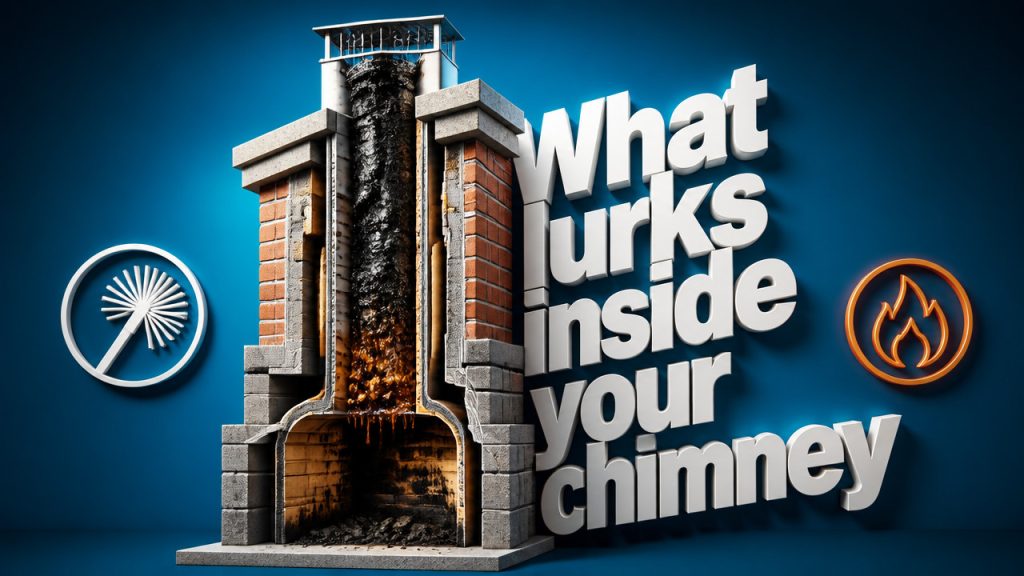
The chimney sweep process involves eight methodical steps that protect your Austin home from fire hazards and carbon monoxide poisoning. Professional technicians inspect your flue system, remove creosote buildup using specialized brushes and vacuums, verify structural integrity, and ensure proper ventilation all while keeping your living space spotless. After serving over 2,400 Central Texas families since our 2020 founding, we’ve refined this process to deliver maximum safety with minimal disruption to your daily routine.
Quick Answer: The 8-Stage Chimney Sweep Process
When scheduling fireplace maintenance, most Austin homeowners want to know exactly what they’re getting. We believe in full transparency about our methods. Here’s a clear breakdown of what happens from start to finish:
- Exterior Inspection: Technicians assess the chimney crown, cap, and flashing from roof level before any cleaning begins.
- Interior Assessment: Firebox and damper condition gets documented with photos for your records.
- Containment Setup: Protective barriers and HEPA vacuum systems are deployed to guarantee zero mess.
- Creosote Removal: Specialized rotary or manual brushes clear dangerous deposits from the flue walls.
- Smoke Chamber Cleaning: The shelf above the damper gets cleared of soot and debris accumulation.
- Damper Testing: Seal integrity and proper operation are verified for safe ventilation.
- Video Inspection: Internal cameras document the post-cleaning condition of your entire flue system.
- Safety Verification: Draft testing and carbon monoxide checks confirm everything functions correctly.
Each stage builds on the previous one, creating a comprehensive approach to flue cleaning that addresses both immediate hazards and long-term structural concerns. For a deeper dive into each phase, you can read more about what to expect during your chimney sweep visit.
Pre-Sweep Inspection: Why We Start Outside Your Chimney
Before a single brush enters your home, the real detective work happens on your roof. That’s where structural vulnerabilities hide in places most homeowners never think to check. Our technicians begin every chimney inspection at the highest point because problems there trickle down, literally.
The chimney cap serves as your first line of defense against rain, animals, and debris. A cracked or missing cap invites trouble that no amount of cleaning can fix. We examine the crown that concrete or metal top surface for hairline fractures that allow water infiltration. Even tiny cracks expand during Austin’s temperature swings, eventually compromising the entire structure.
Flashing inspection comes next. These metal strips create a waterproof seal between your chimney and roof. When flashing fails, water seeps into attic spaces and wall cavities, causing costly damage long before you notice visible stains.
| Inspection Area | Visual Check Findings | Thermal Imaging Detection |
|---|---|---|
| Chimney Crown | Visible cracks, spalling, deterioration | Hidden moisture pathways, thermal bridges |
| Flashing | Rust spots, lifted edges, gaps | Water intrusion behind shingles |
| Flue Liner | Surface cracks, creosote buildup | Heat loss points, structural voids |
| Masonry | Missing mortar, loose bricks | Internal voids, water saturation |
Thermal imaging technology lets us see what the naked eye misses. Temperature anomalies often reveal hidden moisture damage or heat escaping through compromised areas issues that visual inspections alone cannot catch. This technology has become essential for thorough chimney maintenance in modern homes.
Starting outside isn’t just about identifying problems. It’s about creating a complete picture of your system’s health before we begin any work. This approach ensures our comprehensive chimney sweep services address root causes, not just symptoms.
Setting Up Containment: How Professionals Keep Your Home Clean
Let’s address the elephant in the room the fear of soot coating your furniture. We’ve heard the horror stories from homeowners who tried DIY cleaning or hired cut-rate services. Soot particles are microscopic, persistent, and absolutely love settling into carpet fibers and upholstery crevices.
This is where our obsession with dust control becomes your benefit. Professional soot cleaning isn’t just about removing debris from your chimney it’s about keeping that debris contained throughout the entire process. Our containment protocols rival what you’d see in hazardous material remediation because, frankly, we treat your living space with that level of respect.
- HEPA-filtered vacuum systems running continuously to capture airborne particles at the source
- Heavy-duty drop cloths extending six feet from the fireplace in all directions
- Plastic sheeting barriers sealing off adjacent rooms and doorways
- Fireplace opening sealed with custom-fitted covers during brush operations
- Shoe covers and protective gear worn by technicians inside your home
The HEPA vacuums deserve special mention. These aren’t your standard shop vacs. Hospital-grade filtration captures particles down to 0.3 microns smaller than visible dust and far smaller than the creosote flakes we’re removing. Everything gets sucked into sealed compartments before it has a chance to drift.
We take containment seriously because your home deserves that level of care. When you’re wondering how long the typical service takes, factor in that proper setup requires about 15-20 minutes before any cleaning begins. Rushing this stage is how messes happen.
The Actual Sweep: Mechanical Cleaning From Top to Bottom
Now we reach the heart of the chimney sweep process the mechanical removal of creosote and soot deposits. This isn’t a one-size-fits-all operation. The method we choose depends entirely on what we find inside your flue.
Rotor brushing systems work wonders for moderate buildup. These spinning brush heads attach to flexible rods that navigate the curves and offsets common in residential chimneys. The rotary action scrapes deposits loose while our vacuum systems capture the debris simultaneously. It’s efficient and thorough for most standard creosote accumulations.
Manual brushing still has its place, particularly for delicate older flues or specific deposit types. Sometimes the controlled pressure of hand-rod systems proves more appropriate than powered options. Our technicians make these judgment calls based on your specific situation.
| Creosote Stage | Appearance | Removal Method | Risk Level |
|---|---|---|---|
| First Degree | Light, flaky, dusty soot | Standard rotary brushing | Low |
| Second Degree | Crusty, tar-like deposits | Stiff brushes, multiple passes | Moderate |
| Third Degree | Glazed, shiny, hardened coating | Specialized chemical treatment | High |
Third-degree creosote deserves serious attention. This glazed, tar-like substance creates an extreme fire hazard that standard brushes cannot penetrate safely. Professional chemical treatments soften these deposits for removal something DIY approaches cannot accomplish safely.
The entire hearth cleaning process typically takes between 45 minutes to two hours depending on your chimney’s condition and length. Understanding typical chimney sweep duration in Austin helps you plan your schedule accordingly.
Damper and Smoke Chamber Assessment You Can’t Skip
Two critical components often get overlooked in basic sweep services: the damper assembly and smoke chamber. These aren’t glamorous parts of your fireplace system, but their function directly impacts your family’s safety.
The damper controls airflow through your chimney. When closed, it should seal tightly to prevent heated air from escaping your home. When open, it allows proper ventilation for fireplace operation. Damper seal testing reveals whether yours is doing its job or wasting energy throughout Austin’s hot summers and cool winter nights.
Central Texas humidity affects damper mechanisms differently than drier climates. Rust and corrosion accelerate in our moisture-laden air, causing seized pivots and warped plates. A damper that sticks open or closed isn’t just inconvenient it’s a potential carbon monoxide risk if combustion gases cannot vent properly.
The smoke chamber sits above the damper, funneling smoke from the firebox into the flue. Corrugated surfaces in older chimneys trap creosote that manual brushing cannot reach. Many Austin homes built before 1980 have smoke chambers that require parging smoothing the surface with specialized mortar to eliminate those catch points.
Carbon monoxide risks escalate dramatically when dampers malfunction or smoke chambers accumulate deposits. CO poisoning sends over 20,000 Americans to emergency rooms annually, according to the Consumer Product Safety Commission. These invisible threats make professional Austin chimney sweep specialists essential for safety-conscious homeowners.
Post-Cleaning Verification: The Safety Checks That Matter Most
The brushes are packed away, the vacuum is silenced, and your chimney looks spotless. But we’re not done yet. Verification separates thorough chimney flue service from superficial cleanings that skip critical safety steps.
Smoke testing involves burning specialized pellets that produce visible, non-toxic smoke. This reveals any pathways where combustion gases could escape into your living space rather than venting through the flue. Leaks around the damper, through deteriorated mortar joints, or via cracked linings become immediately apparent.
Draft measurement quantifies how effectively your chimney pulls air. Too weak, and smoke enters your room. Too strong, and you’re losing heated air faster than necessary. We measure pressure differentials to confirm your system operates within optimal parameters.
[VIDEO_PLACEHOLDER]
Video inspection technology creates a visual record you can see for yourself. Small cameras traverse your entire flue length, displaying footage on monitors and capturing images for your service report. This documentation proves invaluable for insurance purposes, real estate transactions, or simply your peace of mind about Central Austin chimney services.
- Internal camera inspection of entire flue length with recorded footage
- Draft pressure testing to confirm proper airflow dynamics
- Carbon monoxide detection readings at fireplace opening and room perimeter
- Written documentation with timestamped photos of pre and post-cleaning conditions
Key Takeaways: What Makes a Thorough Chimney Sweep Process
Not all chimney maintenance services deliver equal value. Homeowners should expect comprehensive care that addresses safety concerns thoroughly not just a quick brush and bill. Here’s what separates professional-grade work from shortcuts:
- Certified technicians trained through recognized programs like CSIA or NFI credentials
- Complete inspection starting from roof level before any cleaning begins
- HEPA containment protecting your living space from soot contamination
- Video documentation showing before and after conditions inside your flue
- Written reports detailing findings, recommendations, and verified safety status
- Proof of insurance protecting your property throughout the service visit
When evaluating providers for chimney sweep services in Buda and surrounding communities, verify these standards. Your family’s safety demands nothing less than thorough, professional care from technicians who understand what’s at stake.
FAQ: Chimney Sweep Process Questions Austin Homeowners Ask
How much does a professional chimney sweep cost in Austin?
Expect $150-350 for standard services. Pricing varies based on chimney height, accessibility, creosote severity, and inspection scope. Level 1 inspections cost less than video-scanned Level 2 evaluations. Always request itemized quotes detailing exactly what’s included.
How often should I have my chimney professionally cleaned?
Annually for most homes. The National Fire Protection Association recommends yearly inspections regardless of usage frequency. Even rarely-used fireplaces accumulate debris and may develop structural issues between burning seasons. Animal nests, deterioration, and moisture damage occur year-round.
What time of year is best for chimney sweeping in Central Texas?
Spring and summer offer ideal scheduling. Booking during off-peak seasons means faster appointments and thorough attention. Fall brings rush demand as temperatures drop. Avoid the September-November crunch by scheduling your Hutto chimney sweep options during warmer months.
Do I need to be home during the chimney sweep process?
Yes, for initial access and final review. Adults must grant entry and receive post-service documentation. The actual cleaning takes approximately 60-90 minutes. You’re welcome to observe or handle other tasks while technicians work.
Will chimney sweeping make a mess in my living room?
No proper containment prevents mess entirely. HEPA vacuum systems, sealed barriers, and protective sheeting capture all debris. Reputable companies leave your home cleaner than they found it. Mess indicates shortcuts, not inherent problems with the process.
Can I use my fireplace immediately after sweeping?
Yes, once verification passes. After successful draft testing and safety checks, your fireplace is ready for immediate use. Any chemical treatments for third-degree creosote require specific cure times technicians will advise if this applies.
What’s the difference between chimney sweeping and chimney inspection?
Sweeping removes deposits; inspection evaluates safety. Professional services combine both. Cleaning addresses existing buildup while inspections identify hidden problems like liner cracks, water damage, or structural integrity issues that cleaning alone cannot resolve.