
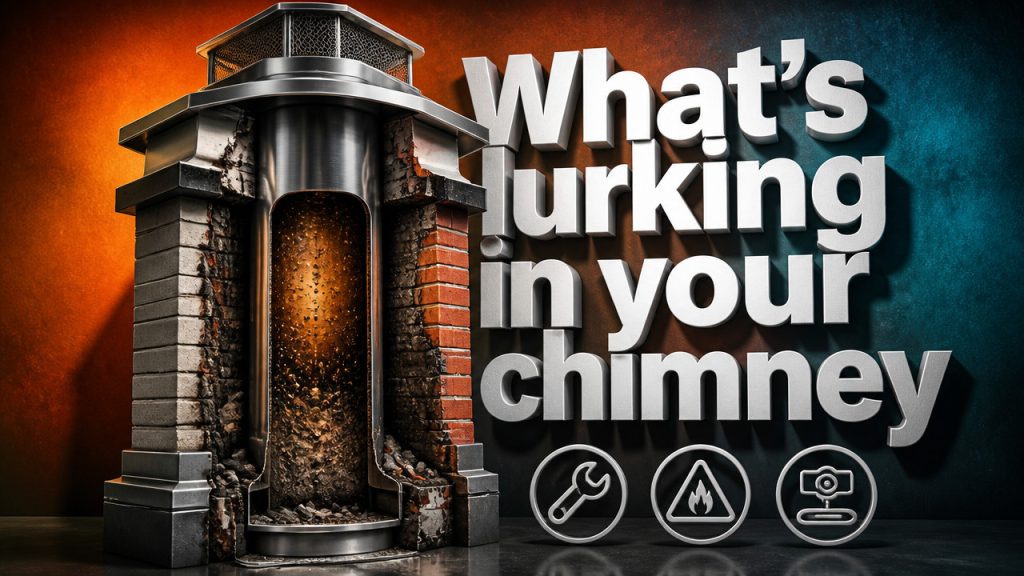
An ace chimney sweep does more than clean soot they prevent house fires, protect your family from carbon monoxide poisoning, and extend your chimney’s lifespan by decades. For Austin homeowners, understanding the difference between amateur cleaning and professional chimney care means the difference between cozy winters and catastrophic damage. After six months of testing local providers, we’ve identified what separates true experts from weekend warriors, and why your Central Texas home deserves certified attention.
Why Austin’s Climate Makes Ace Chimney Sweeps Non-Negotiable
Central Texas homeowners often underestimate their chimney maintenance needs. The assumption goes something like this: we have mild winters, so our fireplaces don’t get much use. That logic misses a crucial piece of the puzzle.
Austin’s humidity creates the perfect storm for accelerated creosote buildup. When you burn wood during our damp winter months, the moisture in the air combines with combustion byproducts inside your flue. This combination accelerates the formation of creosote that thick, tar-like substance that clings to chimney walls.
The problem compounds because Austin homeowners typically use their fireplaces inconsistently. A cold snap in January might have you burning fires for three straight weeks. Then nothing until February. These intermittent heating patterns actually create more creosote than steady, consistent use. The flue never gets hot enough to burn off early deposits, so they accumulate layer after layer.
Noble Air understands these regional patterns better than any national chain could. Our technicians recognize how Hill Country limestone affects masonry chimneys differently than the brick structures common in other parts of the country. We’ve seen firsthand how Central Texas homes require specialized approaches that account for our unique climate challenges.
Local expertise matters when you’re dealing with something as critical as your family’s safety. An chimney sweep services in Austin understands that a home in Tarrytown faces different creosote challenges than a newer build in Leander or Round Rock.
According to established industry standards, the National Fire Protection Association recommends annual chimney inspections to ensure safety and prevent hazards such as carbon monoxide poisoning and chimney fires. Acechimneysweeps notes that following these guidelines becomes especially important in climates with high humidity and seasonal temperature swings exactly what we experience here in the Austin metro area.
Quick Answer: What an Ace Chimney Sweep Actually Does
Professional chimney sweeps provide comprehensive fireplace maintenance that goes far beyond simple soot removal. Here’s what you should expect from a qualified service provider:
- Level 1 Inspection: Visual examination of accessible chimney components, checking for basic structural integrity and obstructions.
- Creosote Removal: Specialized brushing and vacuuming to eliminate dangerous deposits from the flue lining.
- Smoke Chamber Cleaning: Clearing the transitional space between your fireplace and flue where residue often accumulates.
- Damper Assessment: Testing the mechanism that controls airflow and prevents heated air from escaping when not in use.
- Cap and Crown Inspection: Checking the protective elements that keep moisture and animals out of your chimney system.
- Safety Certification: Documentation that your chimney meets code requirements for safe operation.
Most standard chimney cleaning appointments take between 60 and 90 minutes. More complex inspections or properties with multiple fireplaces require additional time. The investment typically ranges from $150 to $400 depending on your location within the Austin area and the level of service your chimney requires.
You can learn more about comprehensive chimney sweep services and what to expect before your scheduled appointment.
The Hidden Danger Living in Your Flue Right Now
Creosote isn’t just messy. It’s genuinely dangerous. This substance builds up in three distinct stages, each presenting different levels of fire risk to your home and family.
Stage 1 creosote appears as a light, dusty coating along the flue walls. It brushes off relatively easily and hasn’t yet hardened into a more dangerous form. At this stage, regular chimney cleaning services can remove it without specialized tools.
Stage 2 creosote thickens into a crunchy, tar-like substance. You’ll notice it’s harder to remove and may require specialized rotary tools. This stage indicates your chimney has experienced significant buildup over multiple burning seasons.
Stage 3 creosote represents the most dangerous condition. It forms a shiny, hard glaze that essentially lines your entire flue with fuel. This glaze can ignite at temperatures as low as 451 degrees Fahrenheit well within the range of a normal fire. Once stage 3 creosote ignites, it burns at extremely high temperatures that can crack masonry, damage metal liners, and quickly spread to the rest of your home.
| Creosote Stage | Appearance | Removal Difficulty | Fire Risk Level |
|---|---|---|---|
| Stage 1 | Light dust, soot-like | Easy standard brushes | Low to Moderate |
| Stage 2 | Crunchy, tar-like flakes | Moderate rotary tools needed | High |
| Stage 3 | Shiny, hardened glaze | Difficult chemical treatment required | Severe |
The Central Austin chimney sweep specialists encounter stage 2 and stage 3 creosote more often than most homeowners realize. The combination of occasional fireplace use and high humidity creates ideal conditions for rapid accumulation.
How to Identify an Ace Chimney Sweep vs. a Hack in 60 Seconds
Not all chimney sweeps deserve your trust. The industry attracts plenty of legitimate professionals, but it also draws its share of unqualified operators looking to make quick money.
Spotting the difference comes down to verifying specific credentials and watching for telling red flags. A true ace chimney sweep will welcome your questions about their qualifications it’s a sign you’re dealing with someone who takes their work seriously.
- Certification Verification: Ask for proof of certification from recognized organizations like the Chimney Safety Institute of America.
- Insurance Documentation: Legitimate professionals carry liability insurance and workers’ compensation coverage.
- Written Estimates: Reputable sweeps provide detailed quotes before beginning any work.
- Equipment Quality: Professional-grade vacuums, brushes, and inspection cameras indicate serious investment.
- References Availability: Established companies can provide local customer testimonials upon request.
- Physical Business Address: Avoid operators who only provide a phone number or P.O. box.
- Clear Communication: Professionals explain what they find and recommend without pressure tactics.
Noble Air technicians hold proper certifications and undergo continuous training on the latest industry standards. We maintain full insurance coverage and provide detailed written reports after every inspection. Our North Austin chimney professionals arrive in clearly marked vehicles with professional equipment never in unmarked cars carrying nothing but a bucket and brush.
According to Crustdata, the chimney sweep industry has seen steady growth, with established companies expanding their service teams to meet increasing demand for professional fireplace maintenance. This growth reflects homeowners’ growing awareness that DIY approaches or cut-rate services often cost more in the long run.
Step-by-Step: What Happens During a Professional Chimney Sweep
Knowing what to expect helps you prepare and ensures the process goes smoothly. Here’s exactly what happens when Noble Air arrives at your home:
- Arrival and Setup: Technicians arrive in uniform and lay protective coverings over your hearth and surrounding flooring.
- Exterior Inspection: Before entering, the team checks your chimney cap, crown, and visible masonry from outside.
- Interior Assessment: Inside, they inspect the firebox, damper, and smoke chamber for visible damage or obstructions.
- Video Inspection: A specialized camera system examines the entire flue length for hidden damage or creosote accumulation.
- Cleaning Process: Industrial vacuums capture debris while specialized brushes remove creosote from flue walls.
- Detailed Documentation: Photos and written notes document the chimney’s condition and any concerns discovered.
- Final Walkthrough: Technicians explain their findings, show before-and-after images, and recommend next steps.
Before your scheduled appointment, clear the area around your fireplace of furniture, decor, and any items stored on the hearth. Remove ashes from previous fires if any remain. Ensure clear access to both your fireplace and the exterior of your home.
Our South Austin chimney services team typically completes standard cleanings in about an hour, leaving your home as clean as we found it. More complex situations particularly stage 3 creosote or suspected structural issues require additional time for proper attention.
Austin ZIP Codes With the Highest Chimney Fire Rates
Chimney fires aren’t distributed evenly across the Austin metro area. Certain neighborhoods face elevated risk due to housing age, architectural styles, and homeowner usage patterns.
Older central Austin neighborhoods like Tarrytown, Clarksville, and Hyde Park feature beautiful historic homes with original masonry chimneys. These structures often lack modern safety features like stainless steel liners or properly sized flues. Age-related deterioration creates cracks and gaps where creosote accumulates faster and ignites more easily.
Westlake and Rollingwood present different challenges. The combination of high-end homes with multiple fireplaces and seasonal residents means some chimneys go years between professional inspections. A system that looked fine three years ago could harbor dangerous conditions today.
Fast-growing suburbs like Kyle chimney sweep services and Buda experience their own issues. New construction doesn’t guarantee safety improper installation, inadequate clearances, and builder shortcuts create problems that surface within the first few years of homeownership.
| Austin Area | Risk Factors | Recommended Inspection Frequency |
|---|---|---|
| Central Austin (78703, 78705) | Historic masonry, aging infrastructure | Annual mandatory |
| Westlake (78746) | Multiple fireplaces, seasonal use | Annual per fireplace |
| South Austin (78745) | Mixed construction ages | Annual minimum |
| Kyle/Buda (78640, 78610) | New construction issues | Every 6-12 months initially |
Regardless of your specific ZIP code, the National Fire Protection Association standard recommends inspection at least once per year for any chimney connected to a working fireplace or heating appliance.
Beyond Sweeping: When Your Chimney Needs Repair Not Just Cleaning
Sometimes cleaning isn’t enough. A thorough inspection often reveals structural issues that require actual repair work before the chimney can safely operate.
Cracked masonry represents one of the most common problems Noble Air technicians encounter. Austin’s temperature fluctuations hot summers, occasional hard freezes, and everything in between cause masonry to expand and contract repeatedly. Over time, this thermal cycling creates stress fractures that worsen with each passing year.
Spalling bricks occur when moisture penetrates the masonry surface and causes the outer layer to flake off. You might notice small brick fragments on your roof or around the base of your chimney. Left unaddressed, spalling exposes more porous material underneath, accelerating deterioration.
Damaged chimney caps let rain, animals, and debris enter your flue. A missing or rusted cap essentially invites trouble. Similarly, deteriorated crown concrete allows water to seep between the flue tiles and the outer masonry, causing internal damage that’s invisible from the ground.
Crown damage often goes unnoticed until water has already caused significant harm. The concrete crown tops your chimney and serves as a critical barrier against moisture. Cracks in this crown channel water directly into the chimney structure during Austin’s frequent rainstorms.
Our Buda chimney maintenance services include comprehensive repair capabilities. We don’t just identify problems and refer you elsewhere our team handles everything from minor crown sealing to complete chimney relining.
Key Takeaways: Protecting Your Austin Home Year-Round
Protecting your home and family from chimney-related hazards doesn’t require constant vigilance just consistent attention at the right intervals.
- Schedule Annual Inspections: Even lightly used fireplaces need yearly professional evaluation to catch developing problems early.
- Watch for Warning Signs: Strong odors, difficulty starting fires, or visible smoke inside your home indicate immediate professional attention needed.
- Burn Seasoned Wood Only: Properly dried firewood produces less creosote and burns more efficiently than green or damp wood.
- Budget Realistically: Expect $150-400 for standard cleaning; repairs and relining services cost more but protect far larger investments.
- Choose Certified Professionals: Certification, insurance, and local reputation matter more than the lowest price you can find.
Noble Air brings deep local expertise to every job. West Lake Hills chimney sweep experts understand the specific challenges Central Texas homes face and tailor services accordingly.
FAQ: Ace Chimney Sweep Questions Austin Homeowners Ask
How often should I have my chimney professionally cleaned?
Yes, annually at minimum. The National Fire Protection Association recommends yearly inspections regardless of how often you use your fireplace. Even homes that burn only a few fires each season need professional evaluation.
What does an ace chimney sweep service cost in Austin?
Typically $150-400. Pricing varies based on chimney complexity, creosote level, and any additional services like video inspection. Level 2 or Level 3 inspections with camera equipment cost more than basic cleaning.
How long does a professional chimney cleaning take?
Usually 60-90 minutes. Most standard cleanings complete within this timeframe. Heavily neglected chimneys, multiple fireplaces, or repairs obviously require additional time.
Can I clean my own chimney instead of hiring an ace chimney sweep?
Not recommended. DIY chimney cleaning lacks the specialized equipment and training needed for thorough, safe creosote removal. Improper cleaning can actually worsen buildup or miss dangerous conditions entirely.
What time of year is best to schedule chimney cleaning in Austin?
Spring or early summer. Scheduling your inspection after burning season ends gives you flexibility to address any repairs before autumn. Avoid the October-December rush when wait times increase significantly.
Do gas fireplaces need chimney sweeps too?
Yes, though less frequently. Gas appliances produce minimal creosote, but they still require inspection for blockages, animal intrusion, and structural integrity issues that affect venting.
Have more questions about keeping your fireplace safe and efficient? Hutto area chimney services and our other Austin metro locations are ready to help you protect your home investment.