
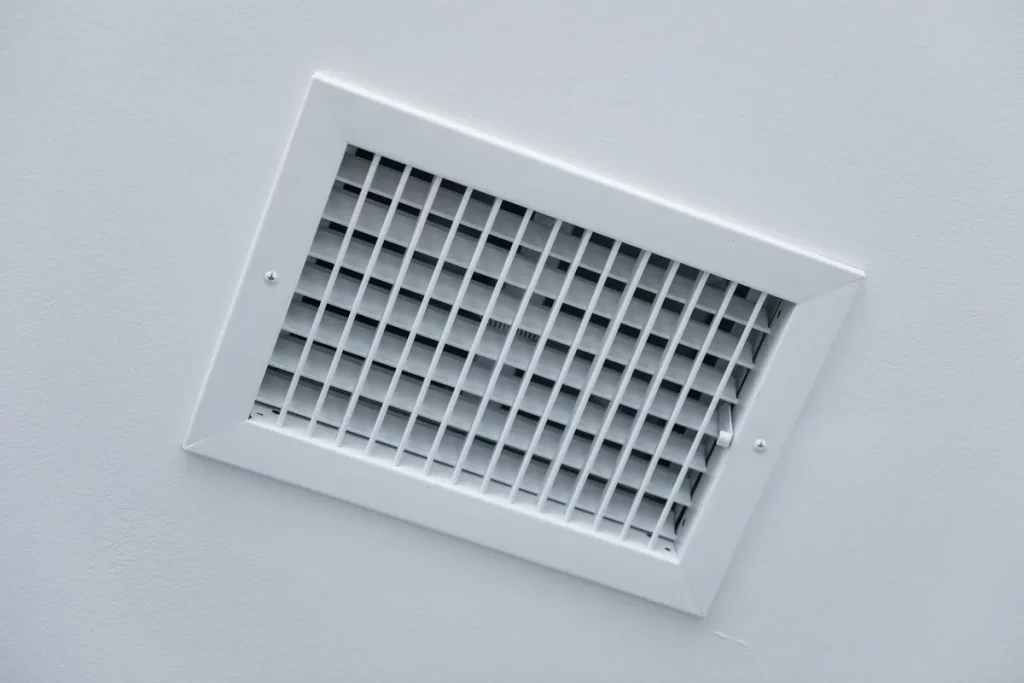
Most homeowners in Round Rock think about their HVAC system only when something breaks. But there’s a quieter problem that builds up long before any mechanical failure, and it lives inside your ductwork. Air duct sanitizing in Round Rock, TX addresses something that basic cleaning alone can’t touch: the bacteria, mold spores, and biological contaminants that take root in the dark, humid passages running through your home. If you’ve been sneezing more than usual, noticing musty odors when the AC kicks on, or just can’t shake that “something is off” feeling in your house, your duct system might be the culprit.
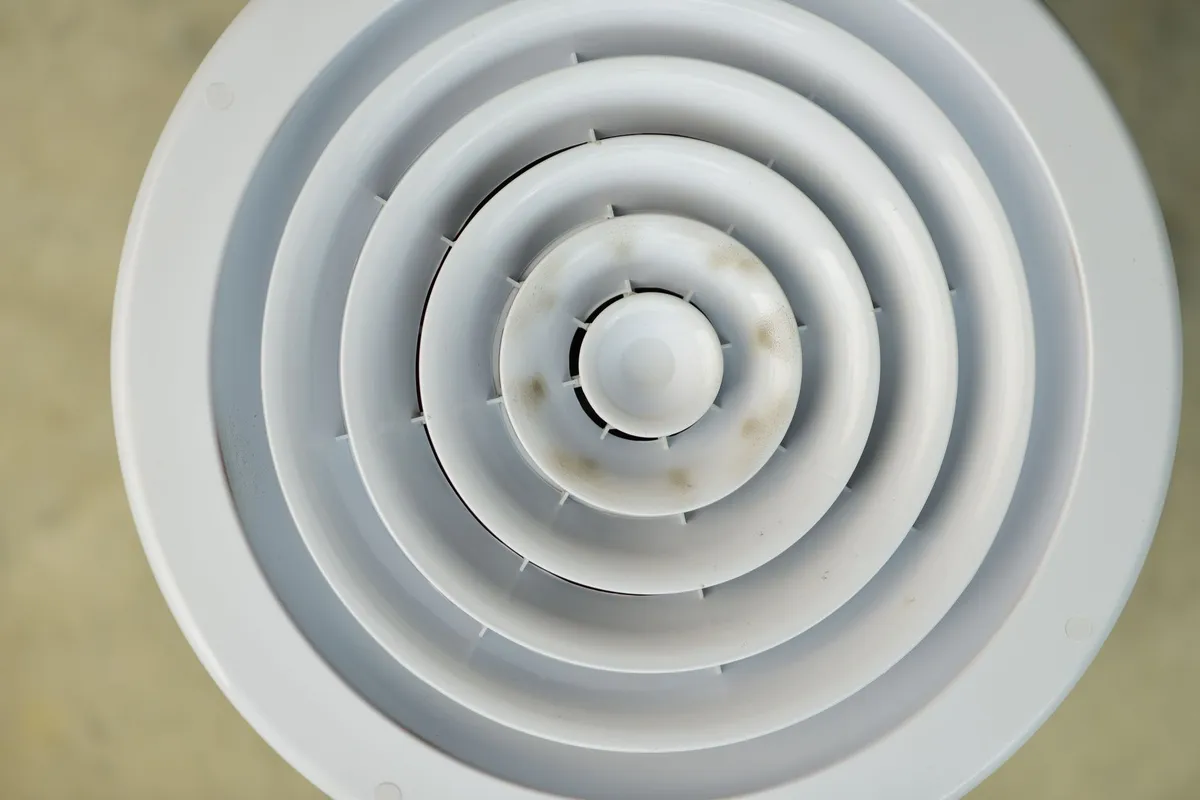
Cleaning and Sanitizing Are Not the Same Thing, Not Even Close
This is the part most companies gloss over. Duct cleaning removes the physical debris, dust, pet dander, insulation fibers, the occasional dead insect. That’s important work. But sanitizing goes a step further. It applies an EPA-registered antimicrobial treatment to the interior surfaces of your ductwork, targeting the microbial growth that cleaning alone doesn’t eliminate.
Think of it this way: you can sweep a bathroom floor and still have bacteria living on the tile. The same logic applies to your ducts. Central Texas humidity gives mold and bacteria ideal conditions to grow inside HVAC systems, especially in the plenum, the main chamber where air collects before being distributed through your home. Mold in air ducts is more common in this region than most people realize, and it’s one of the primary reasons sanitizing is worth taking seriously rather than treating as an upsell.
If you’re unsure whether your system has crossed the line from “dirty” to “contaminated,” there are warning signs that your ducts need sanitizingthings like visible dark residue around vents, persistent allergy symptoms, or a musty smell that follows you from room to room.
Round Rock’s Climate Makes This More Urgent Than You’d Think
Round Rock sits in a climate zone that’s genuinely tough on HVAC systems. Hot summers mean your air conditioning runs almost constantly from May through September. That continuous operation creates condensation inside the system, and condensation creates moisture. Moisture, combined with the dust and organic material already present in your ducts, is exactly what mold needs to establish itself.
Homes built in the last 20 years often use flexible ductwork, which has a corrugated interior surface. That texture traps debris more effectively than rigid metal ducts, and it gives mold spores more surface area to cling to. After a cleaning and sanitizing treatment, that same surface becomes far less hospitable to biological growth.
The team at Noble Air in Round Rock sees this pattern regularly, homeowners who’ve lived with low-grade allergy symptoms or unexplained odors for years, only to find the source was sitting inside their duct system the whole time. Customers who’ve had the service done often describe the difference as immediate and noticeable, particularly in how the air feels during the first few days after treatment.
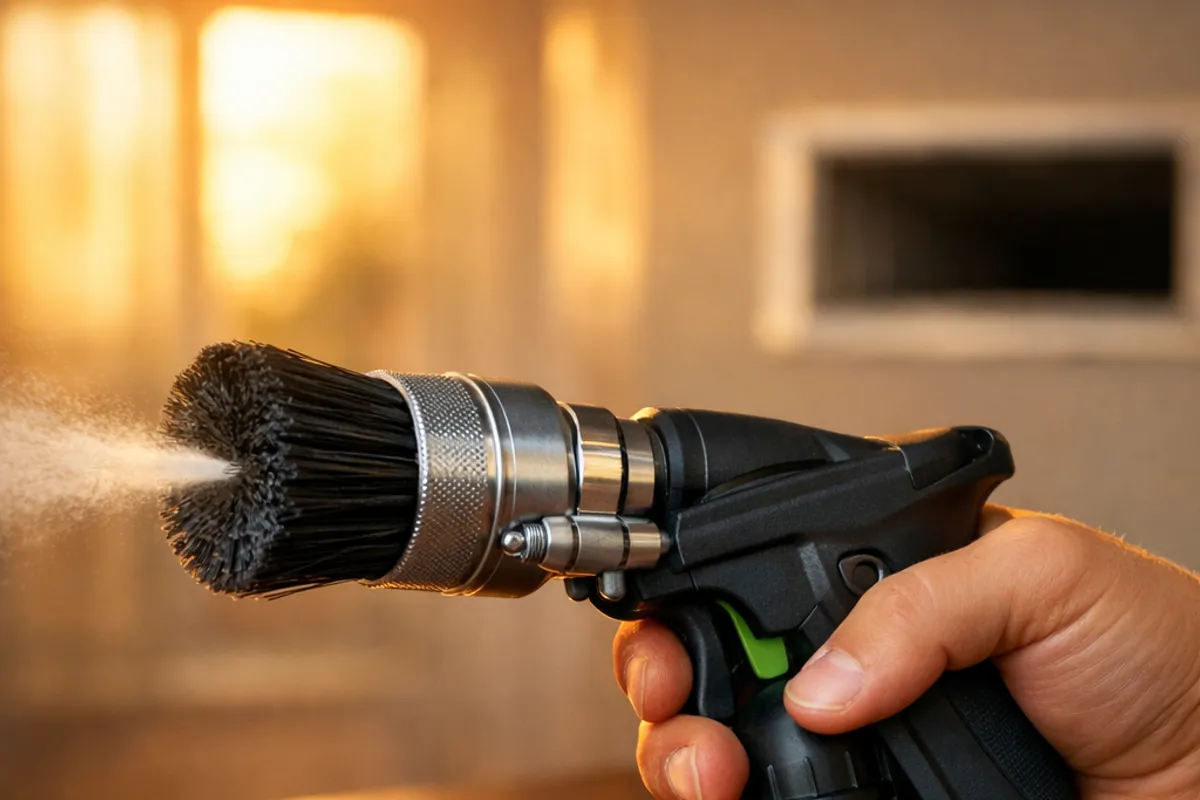
What the Sanitizing Process Actually Looks Like
A proper sanitizing treatment isn’t something you spray into a vent and call it a day. It follows a thorough mechanical cleaning, because applying antimicrobial solution over a thick layer of debris is largely pointless. The cleaning has to come first.
Once the ductwork is cleared of physical buildup, a technician applies an EPA-registered antimicrobial fogger or coating to the interior surfaces. The product works by breaking down the cell structure of mold, bacteria, and other microorganisms. It’s designed specifically for HVAC systems and is safe for occupied homes once it dries, which typically takes less than an hour.
The treatment covers the supply and return ducts, the air handler, and the plenum. The plenum is especially important because it’s the central distribution point for all the air moving through your home. Mold growth in the plenum doesn’t stay contained, it gets pushed into every room every time the system runs. That’s why HVAC mold removal that skips the plenum isn’t really solving the problem.
When Sanitizing Makes the Most Sense
Not every home needs sanitizing every year. But there are specific situations where it moves from optional to genuinely important.
After any water intrusion event, a roof leak, a plumbing failure, or even prolonged high indoor humidity, the duct system should be inspected and likely sanitized. The same applies after any mold remediation work in the home. If mold was found in one area, spores have almost certainly traveled through the HVAC system.
Moving into a previously occupied home is another strong trigger. You have no way of knowing how the previous owners maintained the system, whether there were pets, smokers, or moisture issues. Starting fresh with a cleaning and sanitizing treatment is a reasonable baseline.
Households with young children, elderly residents, or anyone managing asthma or chronic respiratory conditions have more at stake when it comes to indoor air quality. The air circulating through your home passes through those ducts dozens of times a day. What’s living in there matters.
If your system hasn’t been looked at in several years, the honest answer is that you probably don’t know what’s in there. A professional inspection will tell you quickly whether you’re dealing with a simple cleaning situation or something that warrants a full sanitizing treatment. Either way, knowing is better than guessing, especially when it’s the air your family breathes every single day.
Frequently Asked Questions
How long does it take for the antimicrobial treatment to dry before we can use the AC again?
Once the technician applies the EPA-registered antimicrobial coating or fogger to your ductwork, it typically dries in less than an hour, and the home is safe to occupy during that time. You don’t need to leave or shut the house down for the day, it’s designed specifically for use inside HVAC systems in lived-in homes. That said, your technician will let you know the exact window based on the size of your system and the products used.
Does the cleaning have to happen before the sanitizing treatment, or can they do just the treatment on its own?
The cleaning has to come first, applying antimicrobial solution over a thick layer of dust and debris is largely pointless because the product can’t reach the duct surfaces underneath. A technician will mechanically clear out the physical buildup before any treatment goes in. Skipping the cleaning step and going straight to treatment is a shortcut that doesn’t actually solve the problem.
Why does Round Rock specifically have more of a mold problem in ductwork than other parts of the country?
Round Rock’s climate runs the AC almost constantly from May through September, and that continuous operation creates condensation inside the system. That moisture combines with the dust and organic material already sitting in your ducts, which gives mold exactly what it needs to grow. Homes with flexible ductwork, which is common in houses built in the last 20 years, make it worse because the corrugated interior surface traps debris and gives mold spores more area to cling to.
If mold remediation was already done in another part of my house, do the ducts need to be treated too?
Yes, if mold was found anywhere in the home, spores have almost certainly traveled through the HVAC system before the remediation happened. Treating one area without addressing the duct system means the problem is likely still circulating through your home every time the system runs. Getting the ducts inspected and treated after any mold remediation work is a reasonable and important next step.
What exactly is the plenum, and why does the article keep mentioning it?
The plenum is the main chamber in your HVAC system where air collects before it gets pushed out through all the supply ducts into your rooms. It matters because any mold growing in the plenum doesn’t stay in one spot, it gets distributed into every room in your home every single time the system cycles on. A treatment that skips the plenum and only covers the branch ducts isn’t actually addressing the source of the problem.
Get Directions to Noble Air Duct Cleaning & Chimney Sweep
🎧 Listen to this as a podcast
Also on Apple Podcasts, Spotify, and Amazon Music.