
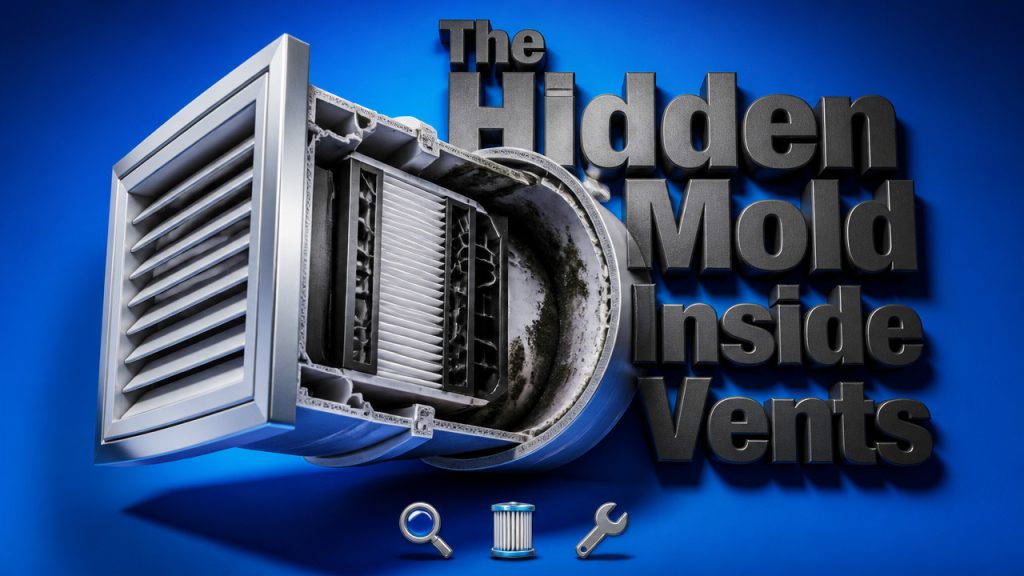
Air vents accumulate dust, pet dander, pollen, and debris that circulate throughout your Central Texas home every time your HVAC system runs. Cleaning these registers and grilles isn’t just about aesthetics it’s about maintaining indoor air quality, improving system efficiency, and reducing allergen loads for your family. This comprehensive guide walks you through professional-grade techniques for cleaning both supply and return air vents, plus when DIY methods fall short and professional duct cleaning becomes necessary.
Quick Answer: The 4-Step Air Vent Cleaning Method
If you want to know how to clean air vents without reading a manual, here is the straightforward approach Austin homeowners can tackle in about 15 minutes per room. This routine keeps your registers clean and your air flowing freely between deeper professional treatments.
- Remove the Vent Cover – Unscrew the register from the wall, ceiling, or floor using a standard screwdriver. Place screws in a small bowl so they don’t disappear into carpet or floor cracks.
- Wash and Sanitize – Take the metal grate to your kitchen sink or an outdoor cleaning station. Wash with warm, soapy water and a microfiber cloth. For stubborn grime, use a dedicated vent cleaning brush to scrub between the slats.
- Vacuum the Duct Opening – While the register dries, use your vacuum’s hose attachment to reach into the visible duct opening and remove loose dust and debris clusters near the surface.
- Reassemble and Test – Once the vent is completely dry, screw it back into place. Turn on your HVAC system to check airflow and ensure no rattling or loose components.
For homeowners seeking a more thorough approach, professional air duct cleaning services address the contamination you cannot see deep within your ductwork system.
Understanding Air Vent Types in Austin Homes [2026 Data]
Not all vents in your home function the same way. Understanding the difference between supply and return registers changes how you approach vent cleaning techniques. Austin homes, particularly those built during the rapid expansion periods of the 1990s and 2010s, feature varied HVAC configurations that impact cleaning needs.
Supply vents push conditioned air into your living spaces, while return vents pull air back to the HVAC unit for reconditioning. Return vents typically accumulate more debris because they draw air from the room, collecting dust, pet hair, and allergens along the way.
| Feature | Supply Vents | Return Vents |
|---|---|---|
| Primary Function | Delivers conditioned air to rooms | Draws air back to HVAC system |
| Debris Type | Lights dust coating near edges | Heavy dust, pet hair, carpet fibers |
| Common Location | Exterior walls, ceilings, floors | Central hallways, large wall grilles |
| Cleaning Frequency | Every 3-6 months | Every 1-3 months |
| Identification | Adjustable louvers, directional fins | Larger grille, fixed slats, no adjustment |
Ceiling vents, common in two-story Austin homes and newer constructions like those in Steiner Ranch or Circle C, might require a step ladder for safe access. Floor vents, typical in older Central Texas neighborhoods like Hyde Park, collect heavier debris from foot traffic and pets. If your return vents show significant buildup despite regular cleaning, review signs that your ducts need professional attention to determine if deeper issues exist within your system.
Essential Tools for Professional-Grade Vent Cleaning
Gathering the right equipment before you begin makes HVAC register cleaning faster and more effective. Most of these items are available at Austin-area hardware stores, and investing in quality tools pays off over years of home maintenance.
- Vacuum with HEPA Filtration – Captures fine dust particles rather than blowing them back into your living space. Essential for Central Texas homes dealing with Cedar pollen.
- Microfiber Cloths – Trap dust without scratching vent finishes. Avoid paper towels, which can leave lint behind on damp surfaces.
- Detail Brushes – Angled brushes reach between vent slats where dust accumulates. Look for brushes with natural bristles that won’t bend or break.
- Screwdriver Set – Most Austin homes use Phillips-head screws for vent covers, but some older homes may require flathead options.
- All-Purpose Cleaner – A mild, non-abrasive cleaner works for most vent materials. Avoid harsh chemicals that could damage paint or finishes.
- Drop Cloth or Towel – Protects flooring and furniture while you work on overhead vents.
- Gloves – Protects hands from sharp edges and potential contaminants during return air vent dust removal.
- Step Ladder – A sturdy ladder provides safe access to ceiling registers without overreaching.
For families with allergy sufferers, wearing an N95 mask during cleaning prevents inhaling stirred-up allergens. When basic tools feel insufficient for heavy contamination, consider comprehensive air duct cleaning that addresses your entire ventilation network.
Step-by-Step: Deep Cleaning Wall and Ceiling Vents
Wall and ceiling vents accumulate a distinct type of dust lighter particles that float on air currents rather than the heavy debris found in floor registers. Follow this detailed process for thorough ventilation system cleaning.
- Prepare Your Workspace
Clear the area beneath the vent. Place a drop cloth on the floor to catch falling debris. Put on your gloves and mask if you have sensitivities. - Remove the Register
Unscrew the vent cover carefully. For ceiling vents, hold the register with one hand while removing screws to prevent it from falling. Set screws aside in a secure container. - Initial Dust Knock-Off
Take the register outside or to a sink. Tap it gently to dislodge loose dust. Use your vacuum brush attachment to capture debris from both sides of the grille. - Deep Cleaning the Register
Fill your sink with warm water and mild detergent. Submerge the vent cover and let it soak for 10-15 minutes. Scrub between each slat with your detailing brush. For stubborn buildup, create a paste of baking soda and water for gentle abrasion. - Dry Completely
Shake excess water from the register. Pat dry with a microfiber cloth, then allow it to air dry fully. Trapped moisture in crevices can promote mold growth when reinstalled. - Vacuum the Duct Opening
While the register dries, use your vacuum hose to clean the visible duct interior. Reach as far as your arm allows without forcing the hose deeper. This surface-level cleaning prepares the area for reinstallation. - Sanitize if Needed
If you notice mold spots or persistent odors, wipe the register with a solution of equal parts water and white vinegar. This natural sanitizer kills surface mold without harsh fumes. - Reinstall and Verify
Once the vent is completely dry, align it with the mounting holes. Secure all screws snugly without over-tightening. Run your HVAC system to confirm proper airflow direction.
When DIY methods reach their limits for stubborn contamination, deep cleaning your air ducts professionally extends beyond surface grime to affect genuine change in your home’s air quality.
Floor Register Cleaning for Central Texas Homes
Floor vents face unique challenges in Austin homes. They collect everything that settles downward pet hair, tracked-in dirt, and the notorious Texas Cedar pollen that blankets the region each winter. High-traffic areas like living rooms and hallways see the heaviest accumulation.
The cleaning process mirrors wall and ceiling vents, but with specific attention to floor register challenges. When removing floor vents, the opening sits directly at floor level, allowing debris to tumble into the ductwork. Place a damp cloth or towel inside the duct opening immediately after removal to catch falling particles.
For homes with hardwood floors common in Austin’s older neighborhoods, protect your flooring during cleaning. Don’t set wet registers directly on wood surfaces. Lay down towels first, and avoid dripping water as you transport registers to your cleaning station.
Pet owners should expect more frequent cleaning intervals. Austin homes with dogs and cats often show visible hair accumulation on return vents within weeks. If your floor vents show dark staining or persistent odors despite regular cleaning, effective duct cleaning techniques address problems that simple register washing cannot solve.
When DIY Vent Cleaning Isn’t Enough: Austin HVAC Analysis
Visible vent cleaning addresses only a fraction of your total air handling system. The ductwork behind those registers contains surfaces you cannot reach with household tools. Understanding this limitation helps Austin homeowners recognize when professional intervention becomes necessary.
According to the Environmental Protection Agency, indoor air can be two to five times more polluted than outdoor air, with HVAC systems serving as a primary collection point for pollutants in homes. Source: EPA Indoor Air Quality
Cleaning your vent covers provides cosmetic improvement and modest airflow benefits, but contamination deep in the ductwork continues circulating with each HVAC cycle. Professional-grade air register scrubbing equipment reaches beyond what standard vacuums can access.
- Visible mold growth near vent openings or on surrounding walls
- Persistent musty odors when the HVAC system activates
- Excessive dust accumulation returning within days of cleaning
- Unexplained allergy symptoms worsening when home
- Uneven airflow between rooms despite clean registers
- Insect or rodent evidence near vent openings or inside visible ductwork
Professional ductwork cleaning methods include high-velocity air whips, truck-mounted vacuum systems, and specialized brushing equipment that scours the full length of your ductwork. These techniques remove the deep contamination that simple vacuuming cannot reach.
Additionally, your dryer vent system requires separate attention. Lint accumulation in dryer vents creates fire hazards that standard duct cleaning does not address. professional dryer vent cleaning protects your home with specialized equipment designed for that specific system.
Maintaining Clean Vents: Seasonal Schedule for Austin Climate
Austin’s climate creates specific maintenance demands that differ from other regions. The intense Cedar pollen season from December through February, combined with year-round dust and periodic mold concerns from humidity, creates a calendar that proactive homeowners should follow.
| Season | Primary Concern | Recommended Tasks |
|---|---|---|
| Winter (Dec-Feb) | Cedar pollen season | Weekly vent wipe-down, filter replacement, professional duct inspection |
| Spring (Mar-May) | Multiple tree pollens | Bi-weekly vent cleaning, check return vents more frequently |
| Summer (Jun-Aug) | Dust and high AC usage | Monthly vent cleaning, monthly filter changes with heavy use |
| Fall (Sep-Nov) | Ragweed and mold | Prepare for Cedar season, deep clean all registers before winter |
Coordinating vent cleaning with filter replacement maximizes effectiveness. A clean register with a clogged filter simply restricts airflow elsewhere in the system. Schedule your most thorough vent cleanings to coincide with quarterly filter changes, setting reminders on your phone or home calendar.
For a complete approach to home air system maintenance, dryer vent maintenance schedule integrates with your HVAC cleaning routine for comprehensive home air quality management.
Key Takeaways: Air Vent Cleaning for Central Texas Homeowners
Regular vent maintenance plays a vital role in preserving indoor air quality throughout the Austin metro area. The region’s unique allergen profile and climate conditions demand consistent attention to your HVAC registers and grilles.
- Return vents require more frequent cleaning than supply vents due to their debris-collection function.
- Cedar pollen season demands heightened vigilance from December through February each year.
- DIY cleaning addresses visible surfaces only – professional duct cleaning reaches deeper contamination.
- Austin homes with pets need monthly vent attention to manage hair accumulation effectively.
- Professional intervention becomes necessary when mold, odors, or excessive dust persist.
- Seasonal maintenance schedules align cleaning with your filter replacement routine.
FAQ: Air Vent Cleaning Questions from Austin Homeowners
How often should I clean my air vents in Austin?
Every 1-3 months for most homes. Return vents typically need monthly attention, while supply vents can wait 3-6 months between cleanings. Central Texas pollen levels accelerate accumulation compared to other regions.
Can I wash my air vent covers in the dishwasher?
Yes, for metal vents only. Metal registers withstand dishwasher cleaning on a gentle cycle without heated drying. Plastic vents may warp or discolor, so hand washing remains safer for those materials.
Why do my vents get dusty so quickly after cleaning?
Deeper duct contamination likely exists. When dust returns within days of thorough cleaning, contamination deeper in your ductwork continues circulating. Professional duct cleaning addresses this hidden source of recurring debris.
Should I close vents in unused rooms to save energy?
No, this practice can damage your system. Closing more than 20% of your vents creates pressure imbalances that strain your HVAC system and can lead to premature equipment failure, according to HVAC engineering standards.
Does vent cleaning help with my Austin allergies?
Yes, as part of a comprehensive approach. Clean vents reduce allergen circulation from dust, pollen, and pet dander. Combine regular vent cleaning with filter changes and professional duct cleaning for maximum relief during Cedar pollen season.
What’s the difference between vent cleaning and duct cleaning?
Vent cleaning addresses register surfaces; duct cleaning cleans the entire system. DIY vent cleaning covers approximately the first inch of visible ductwork, while professional duct cleaning reaches the full length of your home’s air handling network.