
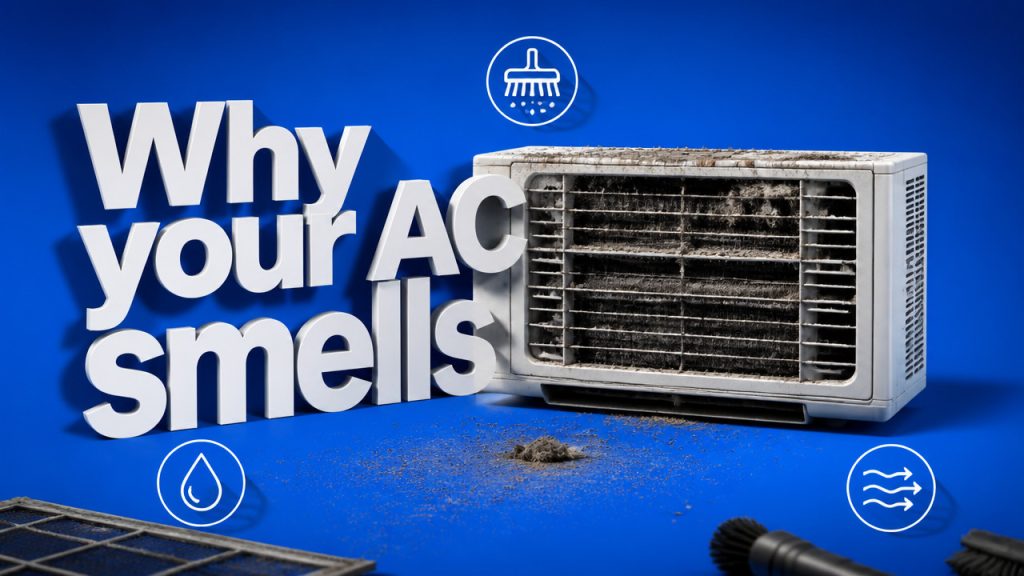
Cleaning your air conditioner vents is a critical home maintenance task that directly impacts your indoor air quality, energy efficiency, and HVAC system longevity. In Austin’s dusty Central Texas climate, where AC systems run nearly year-round, regular vent cleaning prevents allergen buildup, reduces energy costs by up to 21%, and ensures your family breathes cleaner air. This comprehensive guide walks you through professional-grade techniques for cleaning both supply and return vents, tailored specifically for Texas homeowners dealing with cedar pollen, construction dust, and high humidity conditions.
Quick Answer: The 15-Minute AC Vent Cleaning Method
When you need to freshen up your vents before guests arrive or after a particularly dusty week, this rapid cleaning routine gets the job done without requiring specialized equipment. Austin’s unique environment with our infamous cedar fever season and constant construction across the metro area means vents accumulate grime faster than in other regions. Learning how to clean air conditioner vents efficiently saves you time and keeps your system running smoothly between deeper professional maintenance sessions.
This quick method focuses on visible surfaces and immediate airflow improvements. For the best long-term results, pair this DIY approach with professional air duct cleaning to address what lies beyond the grille.
- Turn off your HVAC system completely at the thermostat to prevent drawing loosened dust into the system during cleaning.
- Remove vent covers carefully using a screwdriver, keeping track of screws in a small bowl or magnetic tray.
- Vacuum inside the visible duct opening with a hose attachment, reaching as far back as safely possible without damaging components.
- Wash vent covers in warm, soapy water and let them dry completely never reinstall damp grilles.
- Reattach vents securely and turn your system back on, checking for proper airflow and any rattling.
Why Austin Homeowners Face Unique AC Vent Challenges [2026 Climate Data]
Living in Central Texas means your AC vents work overtime. Our cooling systems typically run from March through November, circulating air through ductwork that collects a specific cocktail of contaminants unique to our region. The combination of Hill Country limestone dust, rampant cedar pollen, and constant suburban development creates a perfect storm for dirty vents and reduced indoor air quality.
Austin’s population boom shows no signs of slowing in 2026, and with new construction comes fine particulate matter that migrates straight into our homes. Even established neighborhoods face increased dust loads from nearby building sites, road construction, and the general churn of a growing metro area. Recognizing signs your ducts need professional cleaning helps you catch issues before they impact your family’s health or your system’s efficiency.
| Season | Primary Pollutants | Vent Impact Level | Recommended Action |
|---|---|---|---|
| Winter (Dec-Feb) | Mountain Cedar pollen | Severe | Weekly vent wipe-down, change filters monthly |
| Spring (Mar-May) | Oak mold, grass pollen | High | Bi-weekly vent inspection, HEPA filters |
| Summer (Jun-Aug) | Construction dust, soot | Moderate-High | Monthly cleaning, consistent filter changes |
| Fall (Sep-Nov) | Ragweed, mold spores | Moderate | Monthly wipe-down, check ductwork |
That winter cedar season hits Austin homes harder than most newcomers expect. From late December through February, mountain cedar releases massive amounts of pollen that coats cars, porches, and unfortunately, AC vent covers. This yellow dust contains proteins that trigger severe allergic reactions in many residents, and every time your system cycles on, it redistributes what has settled in your vents.
The Complete AC Vent Cleaning Toolkit: What Professionals Use
Having the right tools transforms AC vent cleaning from a frustrating chore into a satisfying home maintenance task. Professional HVAC technicians carry specialized equipment designed to clean thoroughly without damaging delicate components or leaving residue behind. While you might not need every item for routine maintenance, investing in quality basics pays dividends in effectiveness and safety. For homeowners wanting comprehensive air duct cleaning results, understanding these tools helps you appreciate why professional equipment matters.
- Vacuum with hose and brush attachments Essential for removing loose debris; look for models with HEPA filtration to capture fine particles rather than blowing them back into your air.
- Microfiber cloths Lint-free cloths trap dust without leaving fibers behind; use damp for stubborn grime on vent covers.
- Crested vent brush Long-handled brush with bristles designed to reach into corners and around damper mechanisms without scratching.
- Screwdriver set Magnetic tips prevent dropped screws; most residential vents use Phillips head fasteners.
- Mild dish soap Gentle cleaner for washing vent covers; avoid harsh chemicals that leave residues or damage paint finishes.
- Step ladder Sturdy ladder for reaching ceiling vents safely; never stand on furniture or overreach.
- Flashlight or headlamp Illuminates dark duct interiors so you can see accumulated debris and potential mold growth.
- Garden hose For rinsing vent covers outdoors when deep cleaning; ensures thorough drying before reinstallation.
- Compressed air canister Optional tool for blowing dust from hard-to-reach nooks in decorative vent covers.
Step-by-Step: Cleaning Supply Vents vs. Return Air Vents
Not all vents serve the same purpose, and understanding the difference shapes your cleaning approach. Supply vents (also called registers or supply grilles) deliver conditioned air into your living spaces. Return vents pull air back to your system for reconditioning, and they typically accumulate different debris types. Supply vents collect dust settling from air movement and household activity. Return vents capture everything floating in your home’s air pet dander, skin cells, fabric fibers, and allergens making them prone to thicker buildup that requires more aggressive cleaning. Mastering effective duct cleaning strategies means treating each vent type appropriately.
Supply Vent Cleaning Process:
- Shut down your HVAC system completely at the thermostat to halt airflow during cleaning.
- Locate all supply vents throughout your home typically smaller than returns and often on walls or ceilings.
- Remove vent covers using your screwdriver, placing screws in your catch container to prevent loss.
- Vacuum the boot area inside the duct opening with a brush attachment, extending 6-12 inches back where visible.
- Wipe the visible interior surfaces with a damp microfiber cloth to capture fine dust.
- Wash vent covers in your utility sink with warm water and mild soap, scrubbing louvers thoroughly.
- Rinse covers completely and dry with a clean cloth, then air dry for 30 minutes to eliminate moisture.
- Reinstall vent covers, tightening screws snugly without over-torquing plastic frames.
Return Air Vent Cleaning Process:
- Turn off your HVAC system and locate return vents usually larger grilles, often on walls near the floor.
- Note that returns may have built-in filters behind the grille check before removing to avoid dislodging them.
- Remove the grille carefully, as return covers tend to be larger and heavier than supply vents.
- Inspect the air handler connection point for debris buildup and any moisture indicating condensation issues.
- Vacuum the return plenum thoroughly, as this area captures the highest concentration of household contaminants.
- Check the filter slot if your filter fits here rather than at the air handler, replace or clean the filter now.
- Wash the large grille in a bathtub or outdoors with a garden hose for easier handling.
- Allow complete drying before reinstalling to prevent introducing moisture into your ductwork.
When DIY Vent Cleaning Isn’t Enough: Behind-the-Grille Problems
Surface cleaning your vents keeps them looking presentable and removes the most accessible dust, but significant problems lurk deeper in your ductwork. Professional inspection reveals issues invisible to homeowners mold growth, pest contamination, construction debris, and deteriorating duct liner material. These conditions require specialized equipment and training to address safely. For homeowners interested in deep cleaning your air ducts, understanding when to call professionals protects both your family’s health and your HVAC investment.
- Visible mold growth on vent covers or inside visible ductwork indicates a moisture problem and potential health hazard requiring professional remediation.
- Musty odors emanating from vents when your system runs suggest biological growth somewhere in the ductwork or at the evaporator coil.
- Insect or rodent activity near vents, including droppings or nesting materials, requires professional sanitization beyond DIY capabilities.
- Excessive dust accumulation returning within days of thorough cleaning indicates a breach in your ductwork drawing contaminants from unconditioned spaces.
- Uneven airflow from vents after cleaning may signal blockages deep in the system or collapsing ductwork needing repair.
- Recent home renovation involving drywall work, flooring installation, or demolition requires professional duct cleaning to remove fine construction particulate.
According to the Environmental Protection Agency, duct cleaning has not been shown to prevent health problems definitively, but if you see visible mold, detect vermin, or notice substantial dust releasing from your supply registers, professional cleaning becomes necessary.
Maintaining Clean AC Vents in Austin’s Brutal Summer Climate [Study]
Texas summers test every component of your HVAC system, and vents take a beating from constant operation. When temperatures hover above 100 degrees for weeks on end, your system cycles frequently, pushing and pulling air through those metal grilles. Maintaining clean vents during peak season improves efficiency and reduces the workload on your equipment. The 2026 ASHRAE guidelines emphasize regular maintenance schedules tailored to climate conditions standard recommendations from northern states simply don’t apply to Austin’s extreme cooling demands. Partnering with residential duct cleaning services ensures your system handles the Texas heat without breaking down when you need it most.
| Month | Maintenance Task | Time Required | Priority Level |
|---|---|---|---|
| January | Post-cedar season vent wipe-down and filter change | 30 minutes | High |
| April | Pre-summer deep clean, check refrigerant levels | 2-3 hours | Critical |
| July | Mid-season filter replacement, visual vent inspection | 15 minutes | Moderate |
| October | End-of-season cleaning, prepare for heating mode | 1 hour | High |
Your filter selection matters significantly here. Austin homeowners benefit from pleated filters with MERV ratings between 8 and 11 high enough to capture our region’s fine particulate matter without restricting airflow. The cheapest fiberglass filters catch visible debris but let pollen, mold spores, and dust mite waste pass right through to your vents.
How Clean Vents Impact Your Energy Bills and Air Quality [2026 Analysis]
The connection between vent cleanliness and your monthly utility bills surprises many homeowners. Dirty, clogged vents restrict airflow, forcing your system to work harder to achieve your desired temperature. This extra effort translates directly to higher energy consumption and accelerated wear on expensive components like your compressor and blower motor. Beyond the financial impact, the air quality implications affect your family’s daily comfort and long-term health. Families dealing with allergies or respiratory sensitivities notice immediate improvements when vent and duct contamination gets addressed. While professional dryer vent services address fire safety concerns, your AC vents impact the air you breathe every moment spent indoors.
A 2026 analysis of residential HVAC efficiency found that even moderate vent restrictions increase energy consumption measurably. Systems operating with partially blocked vents showed reduced capacity making rooms harder to cool and longer run times that drive up electricity bills during Austin’s expensive peak rate periods.
The U.S. Department of Energy reports that replacing a dirty, clogged filter with a clean one can reduce your air conditioner’s energy consumption by 5% to 15%, with similar efficiency gains from maintaining clean vents and unobstructed ductwork.
For families with young children, elderly members, or anyone managing asthma and allergies, clean vents provide more than efficiency gains. Every square inch of vent surface area captures particles between filter changes. When that accumulated material includes allergens like cedar pollen or mold spores, running your AC potentially circulates irritants throughout your home. Regular vent cleaning interrupts this cycle, giving your filter a better chance to trap contaminants before they reach your family’s lungs.
Key Takeaways: AC Vent Cleaning Essentials for Central Texas Homes
Maintaining clean AC vents serves double duty in Austin homes it improves your indoor air quality while protecting your HVAC system’s efficiency and lifespan. Our unique Central Texas environment demands attention that generic cleaning advice doesn’t address. Between our brutal mountain cedar season, constant new construction stirring up dust, and summer temperatures that push cooling systems to their limits, Austin homeowners benefit from proactive vent maintenance tailored to local conditions. When you’re ready to move beyond DIY surface cleaning, Noble Air’s professional services deliver the thorough attention your system deserves.
- Austin’s environment accelerates vent contamination plan for monthly visual inspections and quarterly thorough cleanings due to cedar pollen and construction dust.
- Supply and return vents require different approaches returns capture household contaminants and need more aggressive cleaning than supply registers.
- DIY cleaning addresses surface dust only visible mold, pest evidence, or persistent odors indicate problems deep in your ductwork requiring professional intervention.
- Clean vents improve energy efficiency restricted airflow forces your system to run longer, increasing energy costs during Austin’s expensive summer peak rates.
- Family health benefits from regular maintenance reducing allergen buildup in vents helps families managing cedar fever, asthma, and other respiratory sensitivities.
- Professional cleaning reaches what DIY can’t specialized equipment removes deep contamination without dispersing it back into your living spaces.
Frequently Asked Questions About Cleaning AC Vents
How often should I clean my AC vents in Austin’s climate?
Monthly visual inspections with quarterly deep cleaning. Austin’s unique challenges mountain cedar season, ongoing construction, and near-year-round AC operation mean vents collect contaminants faster than national averages suggest. Homeowners in newer neighborhoods or near active construction sites should increase cleaning frequency accordingly.
Can dirty AC vents make my family sick?
Possibly, depending on individual sensitivities. Accumulated dust, pollen, and potential mold growth in vents can trigger allergic reactions, asthma flares, and respiratory irritation in sensitive individuals. While not every family experiences health symptoms, those with allergies, young children, or elderly members notice improvements after thorough cleaning.
Should I attempt cleaning my own AC vents or hire professionals?
Both have their place in a maintenance plan. DIY vent cleaning adequately addresses visible surface dust and maintains appearances between professional visits. However, deep contamination, mold growth, duct liners deteriorating, or post-construction cleanup require professional-grade equipment and expertise that homeowners cannot safely replicate.
Will cleaning my vents lower my electricity bills?
Yes, when combined with filter replacement. The Department of Energy estimates 5% to 15% energy savings from maintaining clean filters and unrestricted airflow. For Austin homeowners running AC systems extensively during our brutal summers, that percentage translates to meaningful monthly savings during the highest-cost billing periods.
What’s the difference between vent cleaning and duct cleaning?
Scope and depth of service provided. Vent cleaning addresses the visible grille and immediate duct opening what homeowners can safely reach themselves. Duct cleaning encompasses the entire system, including main trunk lines, branch runs, and air handler components, requiring specialized negative-pressure equipment and trained technicians.
Does cleaning AC vents help with cedar fever symptoms?
Yes, by reducing indoor pollen exposure. Mountain cedar pollen settles in vent covers and ductwork during December through February. Running your system without cleaning redistributes this allergen. Regular vent cleaning combined with HEPA-filtered vacuuming and filter changes limits how much cedar pollen recirculates through your home.