
Mold inside an HVAC system is one of those problems that sounds straightforward until you actually start dealing with it. Homeowners assume the fix is simple: spray something, wipe it down, done. Technicians who do this work every day know the reality is considerably more complicated, and the gap between those two understandings is where expensive mistakes get made. Whether the system is a decade old or brand new, mold in air ducts follows its own logic, and treating it without understanding that logic tends to make things worse rather than better.
Why Cleaning Alone Often Falls Short
The most common misunderstanding Noble Air Duct Cleaning & Chimney Sweep encounters is the belief that a standard cleaning will resolve a mold problem. It will not, at least not reliably. Mold in air ducts is rarely just sitting on a surface. It penetrates porous duct liner, takes hold in the plenum, and colonizes flex duct material in ways that brushes and vacuums cannot fully address.
Fiberglass-lined ductwork is particularly problematic. The liner absorbs moisture and gives mold a substrate it can root into. Once that happens, cleaning the surface accomplishes very little. The contamination remains inside the material itself. This is one reason why professional duct mold cleaning involves more than just mechanical removal. It requires antimicrobial treatment applied correctly, and in some cases it requires accepting that certain sections of the system cannot be salvaged by cleaning alone.
The cost difference matters here. A thorough mold remediation on an HVAC system typically runs between $500 and $1,500 depending on the extent of contamination and the size of the home. That range assumes the ductwork itself is structurally sound. When it is not, the conversation shifts toward something more significant.
When the Ducts Themselves Are the Problem
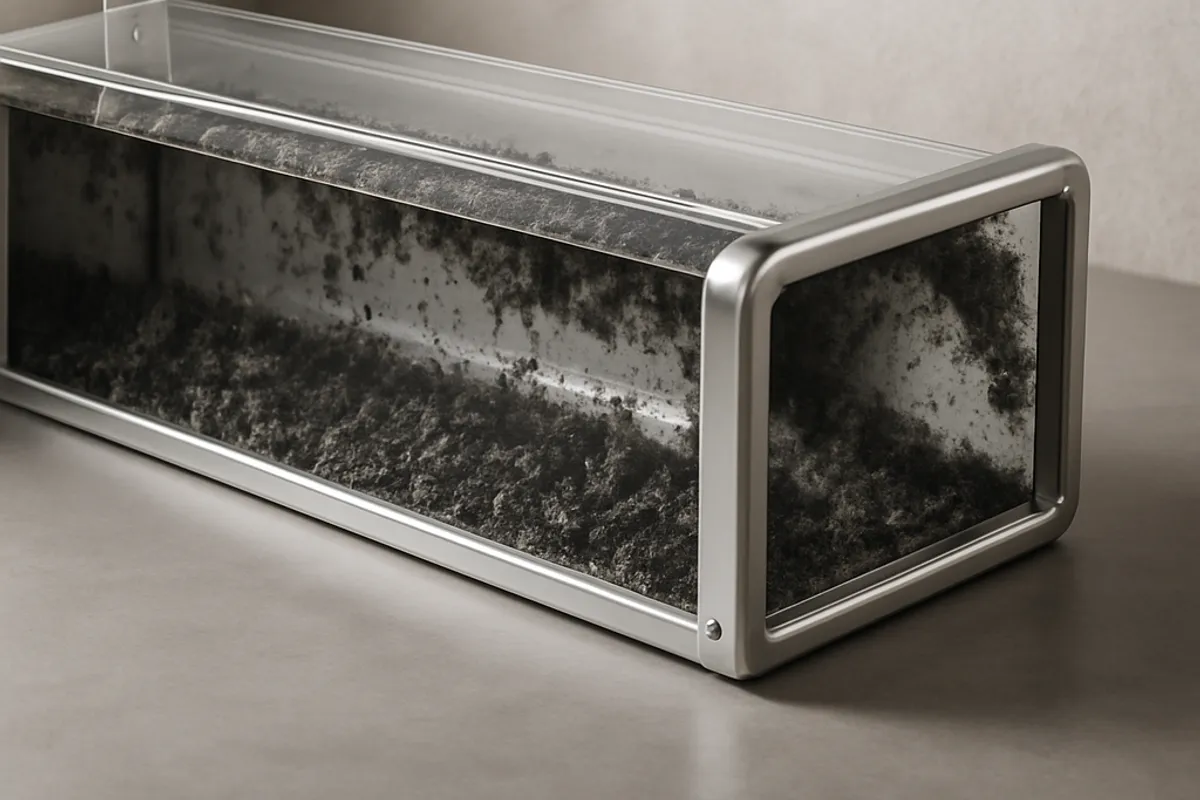
There is a point at which repeated mold growth stops being a cleaning problem and becomes a materials problem. Flex duct that has been wet, flex duct that has collapsed or kinked, and older metal ductwork with deteriorating insulation all create conditions that invite mold back regardless of how well the system is treated. In those situations, the right answer involves replacing sections or the full system rather than cleaning it again.
Noble Air Duct Cleaning & Chimney Sweep is direct about this with customers in Lakeway and Round Rock, TX: if a technician recommends air duct repair or replacement after finding mold, that recommendation is not a sales tactic. It reflects a straightforward assessment that the existing material can no longer be made reliably clean. Homes near Lohman Ford Rd and RM 620 in the Lakeway area tend to run their systems hard through long cooling seasons, and that sustained use accelerates wear on ductwork that was never designed to last indefinitely.
Replacing duct sections costs more upfront, typically $1,000 to $3,500 or more depending on scope, but it eliminates the cycle of remediation, regrowth, and re-remediation that plagues systems with compromised materials. Customers who have gone through two or three rounds of mold treatment without lasting results almost always wish they had made that call earlier.
The Plenum Gets Overlooked More Than It Should
Most homeowners have never heard the word plenum. It refers to the main distribution box that connects the air handler to the duct branches, and it is one of the most common sites for mold growth in an HVAC system. Because it sits close to the air handler, it is exposed to condensation, temperature swings, and any moisture that escapes the system. Mold in the plenum circulates spores through every branch of the ductwork every time the system runs.
A cleaning that addresses the visible ducts but skips the plenum is an incomplete job. Customers in Round Rock, TX and the surrounding area sometimes call back weeks after a cleaning with the same musty odor they started with. In many of those cases, the plenum was not properly treated. Thorough HVAC disinfection has to include the plenum, the air handler cabinet, and the coil area, not just the duct runs themselves.
What Actually Works and What to Ask Before Hiring
Effective mold removal from an HVAC system follows a specific sequence. First, the source of the moisture that allowed mold to grow has to be identified and corrected. No treatment holds if the conditions that created the problem remain unchanged. Second, contaminated material is removed or treated with EPA-registered antimicrobials applied by someone who understands dwell times and coverage. Third, the system is inspected after treatment, not just assumed to be clean.
Before hiring anyone for this work, ask whether they will inspect the plenum and air handler, not just the duct runs. Ask what antimicrobial product they use and whether it is rated for HVAC systems. Ask whether they will give you a written assessment of duct condition so you know if replacement is warranted. Crews serving areas from Bee Cave through Leander see a wide range of system conditions, and the honest ones will tell you clearly what cleaning can fix and what it cannot.
Noble Air Duct Cleaning & Chimney Sweep serves homeowners throughout Lakeway and Round Rock, TX and is a reliable local resource for straightforward assessments of mold in air ducts, plenum contamination, and duct condition. For questions or to schedule an inspection, contact the office at 1000 Heritage Center Cir #154, Round Rock, TX 78664, or call (512) 546-6939.
Frequently Asked Questions
What steps are involved in removing mold from air ducts?
Effective mold removal follows a specific sequence: first, identify and correct the source of moisture that allowed mold to grow. Next, contaminated materials are either removed or treated with EPA-registered antimicrobials, applied correctly by trained professionals. Finally, the system is inspected after treatment to ensure it is clean.
How much does it typically cost to treat mold in HVAC systems?
The cost for thorough mold remediation in an HVAC system ranges from $500 to $1,500, depending on the extent of contamination and the home’s size. If the ductwork is found to be structurally unsound, costs can rise significantly, typically between $1,000 to $3,500 or more for necessary replacements.
What should I prepare for during a mold removal service?
Before the mold removal service, ensure that access to the HVAC system and ductwork is clear. Be prepared for the technicians to inspect all areas, including the plenum and air handler, as thorough treatment requires addressing these often-overlooked spaces.
What are common mistakes homeowners make regarding air duct mold?
A common mistake is assuming that a standard cleaning will eliminate mold problems. Many homeowners overlook the importance of treating the plenum and air handler, which are critical areas for mold growth and can lead to recurring issues if not properly addressed.
Get Directions to Noble Air Duct Cleaning & Chimney Sweep
🎧 Listen to this as a podcast
Also on Apple Podcasts, Spotify, and Amazon Music.